REVIEW · POSITANO
Ravioli & Tagliatelle Cooking Class at a Local’s Home in Positano
Book on Viator →Operated by Barba Angela · Bookable on Viator
This pasta class feels like you’ve been adopted for the evening. You’ll learn classic Positano techniques in a local home, with garden ingredients, a family welcome, and a big focus on how real pasta dough behaves in your hands.
What I like most is the family-led teaching with Emily and Gennaro (plus their Mum) guiding you step-by-step, not just handing you a worksheet. I also love that the food is built around the place: you pick ingredients together in their garden, then eat what you make with local wine, prosecco, and homemade limoncello.
One thing to consider: it’s a small-home setup with a hillside location, so plan on arriving ready for stairs and a short ride or taxi from the main beach area.
In This Review
- Key takeaways before you book
- A Local Home Cooking Class in Positano (Montepertuso Feel, Li Galli Views)
- What You Actually Cook: Ravioli, Tagliatelle, and Tiramisu
- Ravioli: the hands-on pasta lesson
- Tagliatelle: practice the feel of fresh noodles
- Tiramisu: the dessert you might end up craving
- The Food Before and Around Cooking: Prosecco, Caprese, Garden Veg
- Where Montepertuso and Li Galli Fit In (and Why the Stops Matter)
- The 3-Hour Flow: How It Feels in Real Time
- Price and Value in Positano: Is $181.41 Fair?
- Logistics That Can Make or Break Your Evening
- Getting to the meeting point
- Weather matters
- Language and comfort
- Group size
- Who This Is Best For (and Who Might Prefer Something Else)
- Tips to Get the Most Out of Your Pasta Class
- Should You Book This Positano Ravioli and Tagliatelle Class?
- FAQ
- Where do we meet for the cooking class?
- How long is the cooking class in Positano?
- What recipes will we make?
- Are the ingredients from the local area?
- Is the class taught in English?
- How big is the group?
- Is it suitable for children?
- Does weather affect the experience?
- Is cancellation free?
Key takeaways before you book

- Up to 14 people keeps it hands-on and relaxed, not a factory-style cooking room
- Ravioli + tagliatelle + tiramisu means you leave with full meal skills, not just one dish
- Garden-to-plate: you’ll pick ingredients on-site and then cook with what you gathered
- English-led teaching with plenty of tips and practical pasta guidance
- Aperitif and wine flow: prosecco, local wine, and homemade limoncello show up with dinner
A Local Home Cooking Class in Positano (Montepertuso Feel, Li Galli Views)
Positano is famous for showy viewpoints and souvenir shops. This experience adds something rarer: a normal family kitchen story, told out loud while you cook. The class is run by Barba Angela, and the feel is simple. You come in as visitors. You end up acting like part of the group.
What makes it work is the rhythm. You’re not racing through steps. You’re learning why the dough changes, how fillings hold, and how sauces taste when they’re built for local ingredients. And yes, the setting helps. The class takes place in the Montepertuso area, with Li Galli on the horizon—so your food break comes with real scenery, not just a backdrop for photos.
This is also the kind of activity that breaks the routine of a vacation. Instead of only looking at Italy, you’re doing the food side of it. You’ll sing, laugh, and get a few kitchen tricks you can actually use later at home.
Other Positano tours we've reviewed



What You Actually Cook: Ravioli, Tagliatelle, and Tiramisu
You get three authentic recipes, and they each teach a different skill.
Ravioli: the hands-on pasta lesson
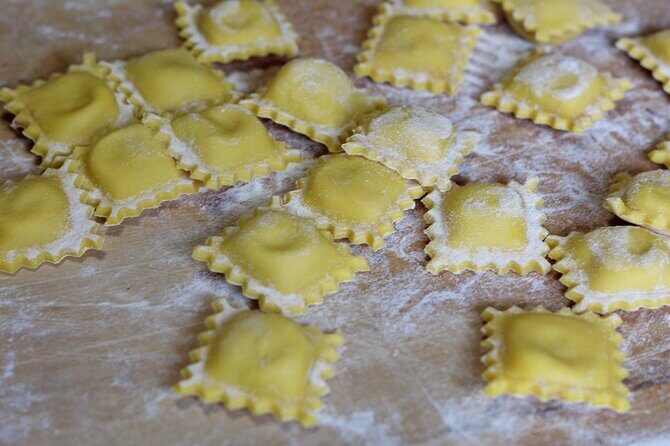
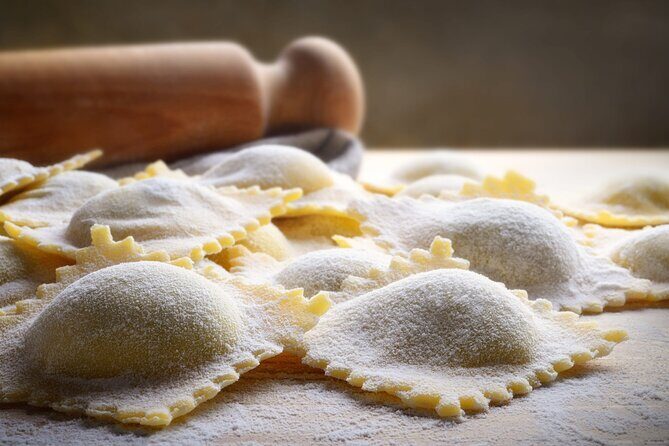
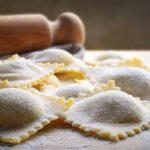
You make fresh ravioli pasta together, and the filling choices are part of the fun. You can go with ricotta, or choose vegetable or meat fillings. The point is that you’ll learn how to build a filling that tastes good and stays together when you seal the pasta.
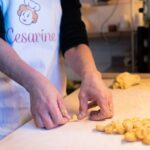
In a class like this, the real learning happens during the dough and forming. Ravioli dough wants something specific—rolling thickness, a workable consistency, and clean sealing. The teaching from Emily and Gennaro focuses on those small moments that decide whether ravioli turns out silky or sloppy.
Tagliatelle: practice the feel of fresh noodles
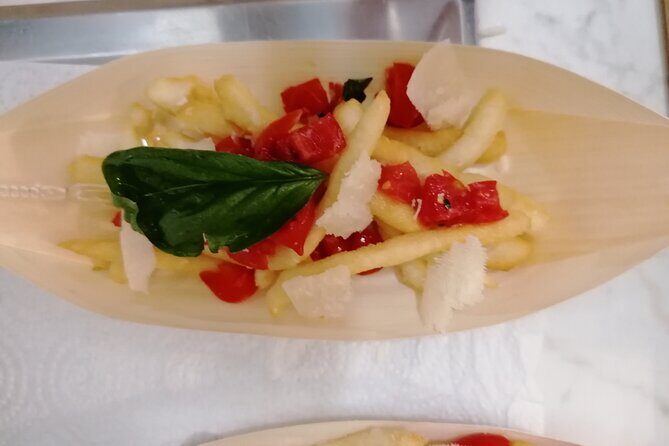
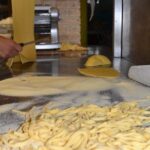
Next comes hand-made fresh tagliatelle. You work with fresh ingredients that come from their garden. The teaching here is about getting the dough to roll properly and cutting or shaping in a way that holds sauce later.
If you’ve ever tried to make fresh pasta at home and wondered why it tastes better here, it’s partly ingredients. It’s also partly technique—timing, texture, and how the dough behaves when it’s fresh, not dried or rested for too long.
Tiramisu: the dessert you might end up craving
Then you make tiramisu. This isn’t treated like a quick afterthought. It’s presented as an old family recipe from their grandmother, and the result lands. If tiramisu isn’t your usual pick, you might still end up liking this one. That’s a common theme in how people describe the class, and it makes sense: when the kitchen is calm and the process is explained, dessert tastes like it was meant to.
Other cooking classes in Positano

The Food Before and Around Cooking: Prosecco, Caprese, Garden Veg
The class doesn’t start with flour. It starts with eating.
You’ll be welcomed with a local aperitif made from local products. The starter spread includes salami, tarallucci, local cheese, and olives, plus a good glass of prosecco. Then you move into a caprese-style course: caprese with local mozzarella and fresh tomatoes from their garden. Rocket and grilled vegetables also show up, with the same theme—ingredients gathered on-site.
Here’s why this matters: it keeps the lesson comfortable. You’re not hungry while you’re learning dough. And you’re not learning pasta in a vacuum. You taste the ingredients first, so when you cook later, you’re connecting the flavor dots.
Also, wine is part of the experience. Local wine selection is served throughout, and people often mention unlimited wine during the meal portion. Homemade limoncello comes with the hospitality—sweet, bright, and very Amalfi Coast.
Where Montepertuso and Li Galli Fit In (and Why the Stops Matter)
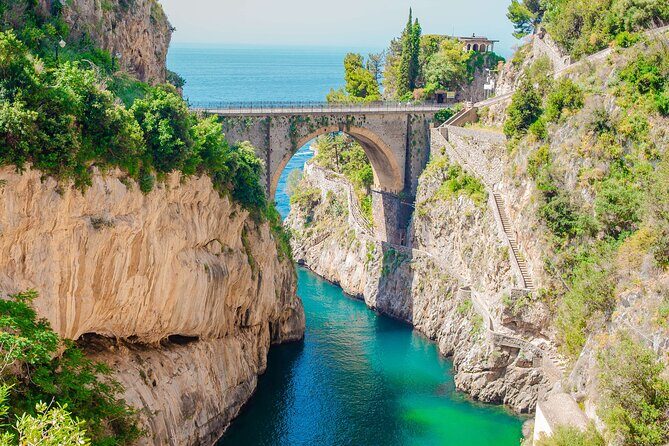
You’ll go through two sightseeing-style stops during the experience: Montepertuso and Li Galli.
Even if you don’t stay long at each stop, the effect is the same. You feel the coastline from above, you understand why Positano looks the way it does, and you get a break from the crowded beach level. In practice, it also helps you shift your day. You’re no longer stuck in a single neighborhood. You’re moving a little, seeing a little, then settling into the kitchen.
The best part is that the views aren’t separate from the food. The balcony and outdoor setting are often part of the meal moment, which makes the class feel like a real evening, not a rushed activity. If you like eating with a view, this is one of the few cooking classes in Positano where that’s genuinely built in.
The 3-Hour Flow: How It Feels in Real Time
The class runs about 3 hours. That length is ideal for two reasons. First, it’s long enough to learn real steps—rolling, filling, shaping, and assembling. Second, it’s short enough that you can still enjoy Positano afterward without wrecking your dinner plans.
A typical flow goes like this:
- You meet at Piazza Cappella, 84017 Positano SA, Italy, then head toward the home area.
- You take in the Montepertuso and Li Galli stops before settling in.
- You’re welcomed with aperitif and starters.
- You cook ravioli and tagliatelle together with active guidance.
- You finish with tiramisu and the final tasting moments, paired with local wine and limoncello.
You’ll also get photos and videos as part of the experience. People mention being sent them quickly, even before leaving. It’s a nice bonus because it helps you remember the shapes you made and the steps you were taught.
Price and Value in Positano: Is $181.41 Fair?
At $181.41 per person, this isn’t the cheapest thing you can do in Positano. But you’re also paying for something harder to replicate: a small group cooking in a private home, with garden ingredients, multiple full recipes, and a meal with wine.
What you’re actually getting value on:
- You cook three dishes (ravioli, tagliatelle, tiramisu), not one
- You eat a full course spread with starters and dessert, not just light bites
- You get ingredient context by picking produce in the garden
- You learn technique with hands-on guidance from Emily and Gennaro
- Group size stays small (maximum 14), which keeps it interactive
If you’ve done restaurant classes before, you’ll notice the difference right away. Here, it feels less like a performance and more like family work. That’s why people treat it as a highlight, not a box to tick.
Logistics That Can Make or Break Your Evening
Getting to the meeting point
You start at Piazza Cappella and the activity ends back at the same meeting point. That’s helpful because you’re not stuck figuring out a return. Still, because the home is in the hillside area, getting there may involve some walking and/or taxi coordination.
If you want a stress-free evening, plan to use a taxi for the hillside portion rather than trying to tough it out with transfers.
Weather matters
This experience requires good weather. When weather is bad, it may be rescheduled or refunded. Since you’ll be part outside (views, garden work), you’ll want flexible plans on the day you choose.
Language and comfort
It’s offered in English, and it’s suitable for children. The class style is hands-on and friendly, so families who want a non-bar crawl activity usually find it works well.
Group size
Maximum 14 travelers makes a big difference here. You’ll spend time at the stations instead of waiting your turn. It also keeps the energy more personal.
Who This Is Best For (and Who Might Prefer Something Else)
This suits you if you:
- want an intimate, family-style cooking experience rather than a classroom
- enjoy fresh pasta skills—especially ravioli and tagliatelle
- like food plus stories about how recipes are passed down
- want real souvenirs you can use later, like recipes you’ll cook again
It may be less ideal if you:
- dislike wine or want a strictly sober activity (wine and prosecco are part of the flow)
- want a purely sightseeing day with lots of time at viewpoints (this is still a cooking class first)
- prefer fast, structured schedules with no social part of the evening
Tips to Get the Most Out of Your Pasta Class
These are practical things that will help you enjoy the session and leave with usable skills.
- Wear something you can move in. Ravioli work and forming noodles is physical in the best way.
- Pace yourself with the aperitif. You’ll taste throughout, so it’s smart to stay focused during the dough steps.
- Ask about thickness and sealing. Those two moments are what you’ll want to recreate at home.
- Take your time with the filling choices. Choosing ricotta vs. vegetables vs. meat changes the flavor profile, and your preferences matter.
- When the PDF recipes are provided, save them right away. People often leave with paper ideas in their head. Having a written guide helps you cook again without guessing.
Should You Book This Positano Ravioli and Tagliatelle Class?
I think you should book it if you want a hands-on food evening that feels like you’re in a real home in Positano, not stuck inside a production-line cooking room. The best reasons to choose this one are straightforward: you make fresh ravioli and tagliatelle, you finish with tiramisu from a grandmother recipe, and the teaching is paired with garden ingredients, local wine, and real family hospitality.
If you’re on the fence because of the price, compare it to what you’d pay for a multi-course meal plus a serious activity. You’re not only eating well—you’re learning skills you can repeat.
If you want the Amalfi Coast side of Italy beyond pictures, this is a strong bet.
FAQ
Where do we meet for the cooking class?
You meet at Piazza Cappella, 84017 Positano SA, Italy, and the activity ends back at the same meeting point.
How long is the cooking class in Positano?
The experience lasts about 3 hours.
What recipes will we make?
You’ll make ravioli and tagliatelle, plus tiramisu for dessert.
Are the ingredients from the local area?
Yes. The experience includes picking fresh ingredients in the garden and using them in the dishes.
Is the class taught in English?
Yes, it’s offered in English.
How big is the group?
The class has a maximum of 14 travelers, making it more intimate.
Is it suitable for children?
Yes, the experience is suitable for children.
Does weather affect the experience?
Yes. It requires good weather, and if it’s canceled due to poor weather, you’ll be offered a different date or a full refund.
Is cancellation free?
Yes. You can cancel for a full refund up to 24 hours in advance of the experience’s start time.