REVIEW · POSITANO
Forage Herbs, Make Grandma’s Ravioli & Tiramisù w Our Family
Book on Viator →Operated by La Vigna degli dei · Bookable on Viator
Pasta tastes better when you forage first. This Positano-area food experience sends you up to a family farmhouse in Agerola, where you start by grabbing fresh herbs from the garden before you touch the dough. I love that the lesson isn’t just recipe talk; it’s hands-on cooking tied to what’s growing that day, from the garden to the plate.
My second favorite part is the teaching vibe. Pasquale and Rosanna keep things practical and friendly, and you end up making ravioli and tagliatelle using grandmother-style methods—then you sit down and eat what you made. One consideration: the venue is in the countryside, so reaching the farmhouse may feel like a challenge if you’re relying only on public transport, even though help is available on request.
In This Review
- Quick Hits
- Why This Agerola Pasta Class Feels Different Than a Typical Workshop
- Arriving at the Farm: Views, Quiet, and a Real Sense of Place
- Foraging Herbs Before Pasta: The Flavor Lesson You Can Actually Taste
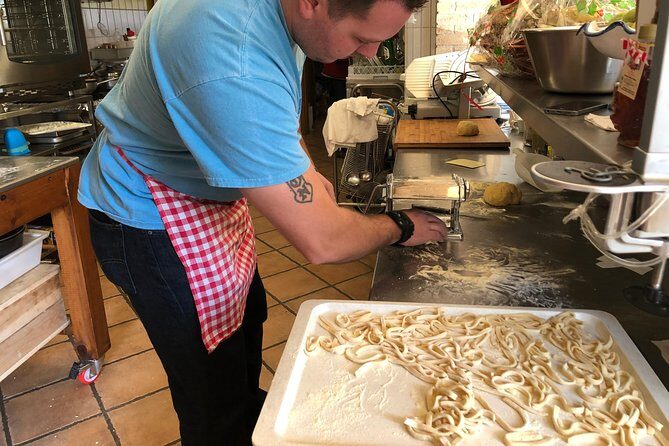
- Making Pasta from Scratch: Ravioli and Tagliatelle the Family Way
- What You’ll Actually Walk Away With
- The Table Part: Eating What You Made, With Wine and Antipasti-Style Extras
- Lemon Tiramisù and Limoncello Finish: Dessert With a Local Punch
- Farm and Cellar Tour: Why Seeing the Source Adds Real Value
- Price and Value at $76.03: What You’re Really Paying For
- Small Group Learning: How the Max 15 Cap Helps You Cook, Not Just Observe
- Who Should Book This (and Who Might Want a Different Option)
- Quick Practical Tips Before You Go
- Should You Book This Forage Herbs Ravioli and Tiramisù Experience in Agerola?
- FAQ
- Where does the experience start?
- How long is the cooking experience?
- Is the class offered in English?
- How big is the group?
- What’s included in the price?
- Does this experience include alcohol?
- Is there a vegetarian option?
- Is gluten-free available?
- Is hotel pickup included?
- Can I cancel for a full refund?
Quick Hits
- Forage herbs on-site before the pasta lesson starts
- Small group (max 15) for more hands-on time and calmer teaching
- Grandmother recipes for ravioli and tagliatelle using scratch techniques
- Homemade wine and farm-made ingredients at the family table
- Finish with lemon tiramisù using their limoncello
- Farm & cellar tour included so you see the food story behind the meal
Why This Agerola Pasta Class Feels Different Than a Typical Workshop
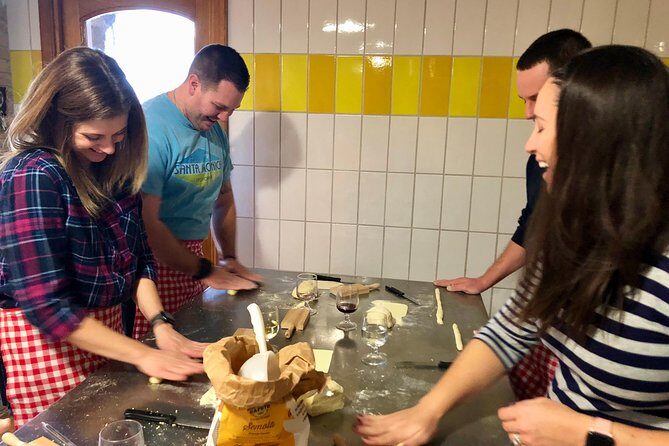
If you’ve done a cooking class before, you know the usual formula: you watch, you chop, you taste. This one starts earlier—right in the garden. Picking fresh herbs sets the tone fast. It also makes the flavors make sense later when you roll dough, shape filling, and season sauces.
The experience is built around a family farmhouse setting above the Amalfi Coast. That matters because it turns food into routine, not performance. You’re not just learning how pasta is made. You’re learning how a family thinks about food: use what’s available, keep it simple, and treat the meal like the main event.
And the pacing is built for enjoyment. The total time is listed as about 2.5 hours, which is long enough to learn real technique but short enough that it doesn’t drag. It’s a good fit if you want something memorable without stealing an entire day from the coast.
Other cooking classes in Positano
Arriving at the Farm: Views, Quiet, and a Real Sense of Place
The meeting point is Via Castello, 3, 80051 San Lazzaro NA, Italy, and the experience ends back there. From there, the key reality is that you’re heading away from the dense Positano zone into the countryside around Agerola. This is exactly what you want if your goal is authentic Amalfi-region food life.
The route itself can be part of the fun. Several people highlighted that the drive to the property takes time and involves winding roads. So if you’re prone to motion sickness, plan ahead. Bring water. And consider arranging the optional transportation help if you need it—hotel pickup isn’t included, but you can request it at an extra cost.
Once you get there, you’re in a setting people describe as genuinely homey: a working, family-run place where the kitchen feels lived-in, not staged. The small group size—up to 15—helps too. You don’t get lost in the crowd, and you’re more likely to get questions answered as you work.
Foraging Herbs Before Pasta: The Flavor Lesson You Can Actually Taste
A big part of the charm is that you start with the garden. You’ll forage fresh herbs to use during the lesson. That’s not just a cute photo moment. It’s flavor education.
Fresh herbs behave differently than dried ones. They bring bright aromatics that change the entire feel of a filling or a simple seasoning. When you pick them, you also learn what works together. You can usually smell the difference right away—so later, when you taste your ravioli or tagliatelle, you’ll understand why the dish tastes the way it does.
It also makes the class feel active from minute one. Even if pasta-making intimidates you, you’re doing something familiar—walking, choosing herbs, getting oriented to the kitchen rhythm.
Making Pasta from Scratch: Ravioli and Tagliatelle the Family Way
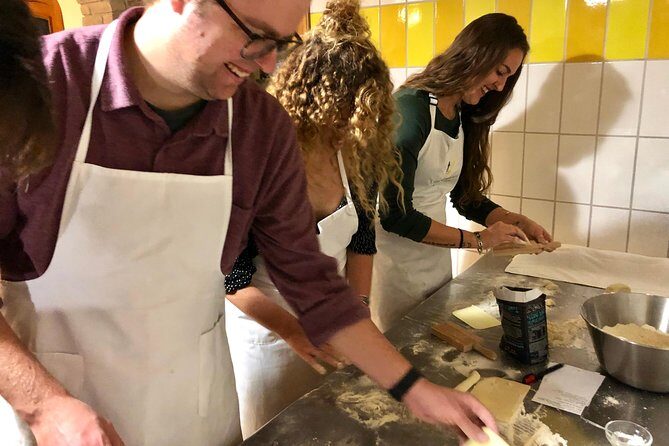
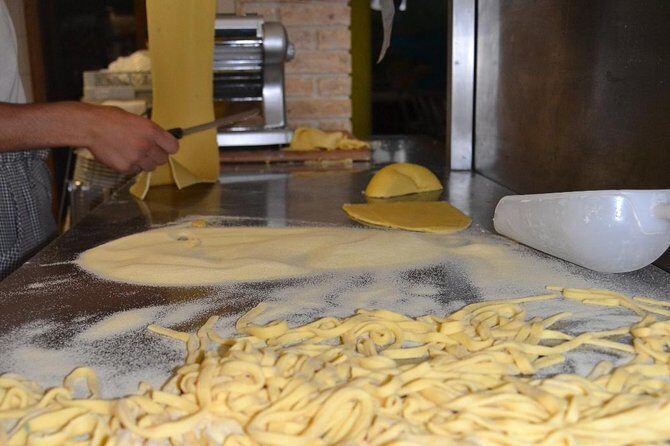
The core lesson is handmade ravioli and tagliatelle. The tour description frames it around grandmother’s recipes, and that shows in the way the day is structured: you’re not only learning technique, you’re learning a style of cooking.
Ravioli demands patience and attention. You have to roll dough, portion filling, and seal well so they hold their shape. Tagliatelle is more forgiving but still technical—you learn how to handle dough so it stays elastic and doesn’t turn into a sticky mess.
What I like most is that this isn’t presented as an impossible skill. People describe the hosts as patient and clearly focused on getting everyone involved. Pasquale gets name-checked repeatedly, and Rosanna is also mentioned as an excellent assistant. That pair matters because it often takes two roles to keep a class moving: one person teaching and one person helping with technique and timing.
Also, this is an ingredient-and-process class, not just a plating class. You’re actively making the pasta you’ll eat. That flips the value equation. You’re not paying to watch someone else cook. You’re paying to walk out with a skill you can repeat at home, even if you don’t replicate the Amalfi ingredients.
What You’ll Actually Walk Away With
You’ll understand:
- How scratch pasta dough feels and behaves while you work
- How filling gets portioned and sealed (for ravioli success)
- How to shape tagliatelle so it keeps a pleasing texture
And because you’re eating immediately, the learning sticks. Your brain connects the steps to the final bite.
Other cooking classes in Positano
The Table Part: Eating What You Made, With Wine and Antipasti-Style Extras
One reason this stands out on the Amalfi Coast is that the meal isn’t an afterthought. The description says you’ll enjoy everything you prepare with homemade wine and finish with dessert at the family table.
The included list backs this up. Meals as per itinerary are included, plus beverages, alcoholic drinks, snacks, and coffee and/or tea. In plain terms: you’re not just doing a class and leaving hungry.
People also talk about the homemade wine and the sense of abundance—fresh, organic ingredients and a relaxed flow. If you like food that’s tied to a place, this is the kind of evening where you taste the region through what they grow and keep.
Do note a small practical reality: it’s an alcohol-included experience, so keep that in mind for your schedule afterward. If you’re planning dinner reservations or a drive the same evening, give yourself margin.
Lemon Tiramisù and Limoncello Finish: Dessert With a Local Punch
Dessert is a big part of this day. You’ll make lemon tiramisù and it’s made with the family’s own limoncello. Lemon and limoncello belong to the Amalfi area’s flavor identity, so this is a strong ending note.
Tiramisu is usually thought of as a smooth, familiar dessert. Here, the lemon version changes the texture and brightness. Instead of heavy sweetness only, you get a more awake, citrus-forward profile.
If you’ve ever had tiramisù and found it too rich, you might find the lemon angle more balanced. And since you’re finishing after pasta and wine, the citrus helps reset your palate.
One more detail: some people noted that parts of the dessert may not have been fully homemade. But even when that’s the case, the overall experience still lands as a real family-finish—fresh flavors, local ingredients, and a dessert that feels connected to the day rather than dropped in at the end.
Farm and Cellar Tour: Why Seeing the Source Adds Real Value
A Farm & Cellar Tour is included. That matters because you see beyond the kitchen. You learn that the ingredients aren’t abstract “local products.” They’re part of a small system: farming, storage, and food preparation all tied together.
Even if you’re not a tour-enthusiast, this is useful. It helps you understand why the meal tastes the way it does. When you know how food is kept and handled, you appreciate quality more easily—and it also makes it easier to recreate the spirit of the dishes at home, even if you can’t source the exact same items.
Price and Value at $76.03: What You’re Really Paying For
At $76.03 per person, this is not a budget cooking class, especially if you’re comparing it to places outside Italy’s higher-cost tourist zones. But in value terms, it’s fairly grounded.
Here’s why: the included list covers far more than instruction.
- All taxes, fees, and handling charges
- Farm & Cellar Tour included
- Beverages and snacks
- Meals as part of the experience
- Alcoholic drinks
- Coffee and/or tea
So the money is going toward a full evening of hands-on work plus food, drinks, and access to the farm setup. If you just ate at a nice restaurant, you might pay roughly the class portion plus drinks anyway—and you’d miss the skill-building and the ingredient connection.
Also, the small group cap (max 15) is part of the value. It increases the chance you’ll actually get help while you’re shaping dough, instead of being herded like a line item.
Small Group Learning: How the Max 15 Cap Helps You Cook, Not Just Observe
This experience limits the group to 15. That’s a sweet spot for a cooking class. You get enough people to create a fun social feel, but not so many that you lose time.
In feedback, people repeatedly point out a warm welcome and a relaxed atmosphere. That’s usually what happens when the class is small and the hosts can keep tabs on everyone’s hands and timing. With pasta, timing matters. If dough sits too long, or filling gets too warm, the work changes. A smaller group helps the teaching stay real.
So if you want a class that feels like you’re working alongside the family rather than passing through their kitchen, this size is a strong sign.
Who Should Book This (and Who Might Want a Different Option)
This class is best for you if:
- You want a hands-on pasta-making experience, not just a tasting tour
- You love Amalfi flavors like lemon and limoncello
- You enjoy meal-based activities where the food is the point
- You like small group settings with real interaction
It may be less ideal if:
- You need a very short, low-effort activity (this includes foraging, shaping, cooking, and dining)
- You have strict timing constraints and can’t handle a countryside drive
- You avoid alcohol completely (alcohol is included, though dietary options like vegetarian are available)
Vegetarian is available—just tell them when you book. Gluten-free is listed as available on request, so if you need it, plan to reach out with your needs early.
Quick Practical Tips Before You Go
- Wear shoes you don’t mind getting a little dusty. Farm routines can be casual.
- Plan for a countryside commute. Even if you use public transportation, getting there can take effort; optional pickup exists at an additional cost.
- Ask about dietary needs during booking. Vegetarian is available, and gluten-free is on request.
- Go hungry. You’ll be eating everything you make, plus snacks and multiple drinks.
- Bring a question or two about technique. The pasta work is where you’ll get the most value later at home.
Should You Book This Forage Herbs Ravioli and Tiramisù Experience in Agerola?
If you want one standout food night on the Amalfi Coast that feels like real family cooking, I think you should book it. The big wins are clear: foraging ingredients, learning to make pasta from scratch, and ending with lemon tiramisù made with limoncello—plus wine and a full meal included.
The only reason to hesitate is if the countryside logistics (and the drive) will be a headache for you. If you can handle transport to the farmhouse, this is the kind of experience you’ll remember every time you make pasta at home.
FAQ
Where does the experience start?
It starts at Via Castello, 3, 80051 San Lazzaro NA, Italy, and it ends back at the same meeting point.
How long is the cooking experience?
It runs for about 2 hours 30 minutes approximately.
Is the class offered in English?
Yes, the experience is offered in English.
How big is the group?
The maximum group size is 15 travelers.
What’s included in the price?
The price includes all taxes and fees, beverages, snacks, meals as per the itinerary, alcoholic drinks, coffee and/or tea, and a farm and cellar tour.
Does this experience include alcohol?
Yes. Alcoholic drinks are included.
Is there a vegetarian option?
Yes. A vegetarian option is available—let the provider know when booking.
Is gluten-free available?
Gluten free is available on request. You should advise any dietary requirements at the time of booking.
Is hotel pickup included?
No. Hotel pickup and drop-off are not included, but service is available on request for an additional cost.
Can I cancel for a full refund?
Yes, free cancellation is available. You can cancel up to 24 hours in advance for a full refund. If you cancel less than 24 hours before the start time, the amount paid won’t be refunded.