REVIEW · POSITANO
Cesarine: Small group Pizza and Tiramisu Class in Positano
Book on Viator →Operated by Cesarine: Cooking Class · Bookable on Viator
Positano tastes better with flour on your hands. In a local home, you’ll learn to make pizza and tiramisù the way Cesarine cooks do it, with hands-on guidance that feels personal without being fussy. The class also includes a full tasting, plus a wine pairing, so you’re not just watching.
I especially like the family-style welcome and the fact that you cook with fresh, real ingredients in a lived-in kitchen. You’ll also get a clear, practical lesson you can repeat at home, not a vague food tour speech. One thing to keep in mind: this experience requires good weather, so it can shift if conditions aren’t right.
In This Review
- Key things that make this class worth your time
- A Cesarine home in Positano: small-group, real people, real kitchens
- Your 3-hour flow: pizza first, then tiramisù (with wine and tasting)
- Neapolitan-style pizza lessons: techniques you’ll actually use again
- Tiramù made practical: layers, texture, and repeatable steps
- Wine at the table: pairing that turns cooking into a meal
- Where the views and ambience fit (and when they might not)
- Price and value: what $254.33 buys in Positano
- Who this class is best for (and who may want to think twice)
- Should you book Cesarine for Positano pizza and tiramisù?
- FAQ
- How long is the Cesarine pizza and tiramisù class?
- What dishes do I learn to make?
- Is the class taught in English?
- How large is the group?
- Does the experience include food and drinks?
- What happens if the weather is bad?
Key things that make this class worth your time
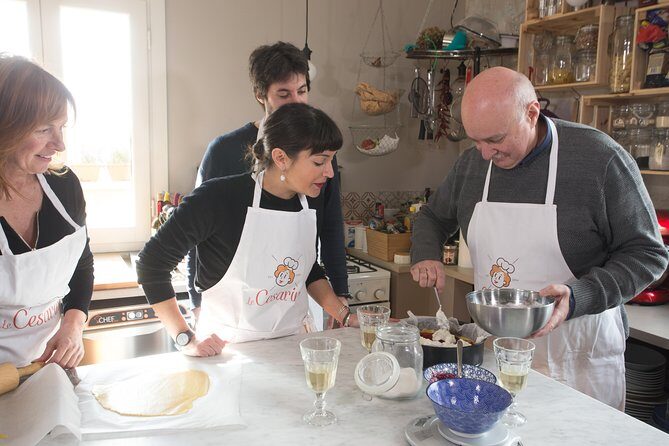
- Cesarine hosts teach in their own home, with a relaxed, family feel
- Hands-on pizza and tiramisù, so you leave with real technique
- Small group size (max 10) keeps the instruction practical
- You taste what you make, paired with Italian wine
- Fresh ingredients can include produce sourced locally (even from a host’s garden in some homes)
A Cesarine home in Positano: small-group, real people, real kitchens
Cesarine cooking classes are built around a simple idea: you learn best when you’re in the same space as the people who cook this way every week. In Positano, that means you’re not stuck in a studio with a demo table. You’re in a home kitchen (or home setting) where the hosts can show you how they handle dough, how they time a step, and how they keep things moving.
The group stays small, with a maximum of 10 travelers. That matters more than it sounds. With fewer people, you can actually ask questions, correct technique on the spot, and keep the lesson from turning into a line. It also helps the vibe. Several hosts describe this like a family night: warm, welcoming, and focused on sharing kitchen knowledge, not rushing through a script.
And yes, the lesson runs in English. That’s a big deal for comfort, especially when you’re learning the difference between what looks right and what is right—like dough texture or how to assemble tiramisù without turning it into soup.
Other Positano tours we've reviewed



Your 3-hour flow: pizza first, then tiramisù (with wine and tasting)
Plan on about 3 hours total. The pace is ideal for a vacation day in Positano because it’s long enough to learn, but not so long that you lose the evening to cooking stress.
Here’s the typical rhythm you can expect:
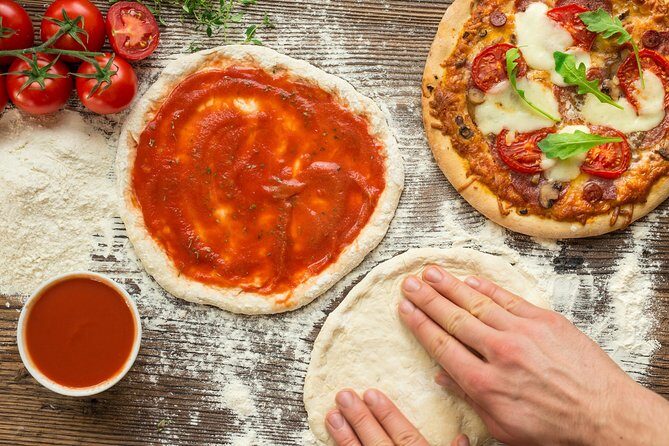
You start with pizza prep, guided step by step by your host. You’ll work through the dough and the toppings, then move toward cooking so you can actually see how the pizza transforms. After the pizza lesson, you switch gears to tiramisù, learning how to build the layers in a practical way that sticks with you.
When you’re done, you eat what you made. Your meal isn’t an afterthought; it’s part of the learning experience. The class includes pairing the food with Italian wine, so your tasting feels like a real table moment rather than a snack at the end.
One bonus detail: in some homes, the welcome can include small Italian starters and a celebratory pour like sparkling wine before the cooking begins. If your host’s setup includes a balcony view, that’s often part of the charm too—Positano looks made for a glass of something cold while you settle in.
Neapolitan-style pizza lessons: techniques you’ll actually use again
Pizza is the headline here, and it’s not treated like a throwaway starter. You’ll learn skills that matter: dough handling, topping logic, and timing. The goal is Neapolitan technique, not just assembling something fast.
What makes this kind of lesson valuable is that pizza can be tricky if you only read recipes. In a real kitchen, you learn by doing: you feel the dough, watch how the host responds, and adjust as you go. That’s where a home cook’s advice lands best.
Freshness is also part of the equation. One of the most praised elements is the use of fresh ingredients, including produce from a garden in some homes. When vegetables taste like vegetables—rather than fridge leftovers—you notice the difference immediately in the final pizza.
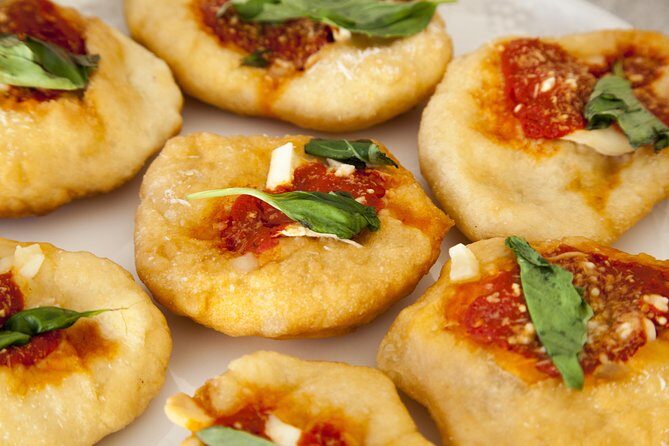
There’s also something fun and specific that can show up depending on the family’s approach: fried pizza. In at least one class example, the host family taught how to make fried pizza for the first time, and it was described as not so rich—meaning it’s a technique, not just a novelty. If that’s offered in your session, it’s a great way to broaden your Italian cooking beyond the obvious.
Tiramù made practical: layers, texture, and repeatable steps
Tiramù can go wrong in two main ways: it gets too wet, or the layers don’t hold the right balance. That’s why I like learning it in a hands-on format. You can’t fake texture. You can only build it correctly, step by step.
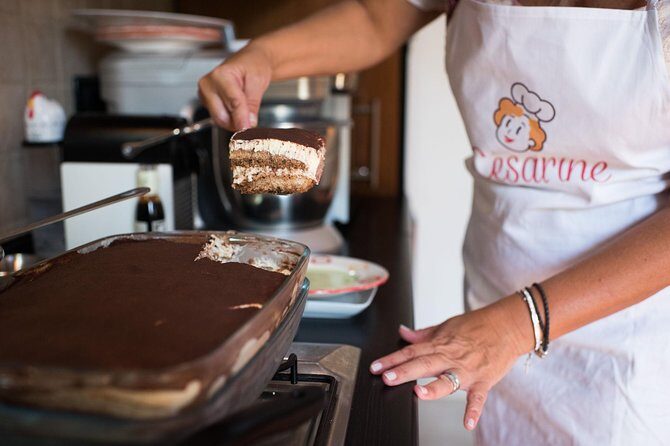
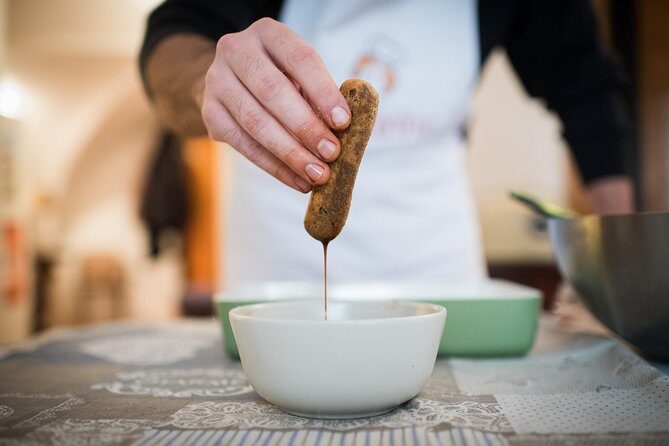
In this class, the tiramisù instruction is described as very practical. Instead of leaving you with vague advice, you learn the mechanics—how to handle ingredients, how to assemble the layers, and how to end up with a finished dessert that looks right and tastes right. The most satisfying part is that you also get to taste your results, so you can connect technique to payoff.
This is especially helpful if you’ve ever made tiramisù and wondered why it tasted different from what you remember in Italy. When you’re taught in a home kitchen, you pick up small choices—how long something rests, how layers are spaced, and how sweetness and structure come together.
Wine at the table: pairing that turns cooking into a meal
The class includes pairing the pizza and tiramisù with Italian wine. That doesn’t just add “nice extras.” It changes how the meal feels and helps you evaluate what you made.
Pizza and wine together is a classic combo, but in practice you’ll taste things more clearly when you’re eating immediately after cooking. The lesson timing matters here. You’ll taste at the moment everything is still vivid: dough freshness, sauce balance, dessert texture.
And if your host’s home setting includes a view—again, described in some examples—wine at the start or during the meal makes the whole session feel like a real evening out, not a rushed class. Positano is a postcard town, but it can also get busy. This brings you back to a calmer rhythm.
Other small group tours we've reviewed






Where the views and ambience fit (and when they might not)
Positano’s setting is half the magic, and the class can tap into that. In one described experience, the host family greeted guests on a balcony with a fascinating view over Positano and the Mediterranean Sea, with sparkling champagne and starters before the lesson.
That kind of ambience is wonderful, but it’s also why the good-weather requirement is important. This experience requires good weather, and if it’s canceled due to weather, you’ll be offered a different date or a full refund. So if you’re traveling in a season where weather can be unpredictable, check forecasts and keep your schedule flexible.
Price and value: what $254.33 buys in Positano
At $254.33 per person, this isn’t the cheapest way to eat your way through Italy. But it also isn’t a mass-market activity. You’re paying for a small-group, home-based lesson led by a Cesarine host, with real instruction and a full tasting that includes Italian wine.
For value, look at what’s included:
- A focused 3-hour cooking session
- Hands-on pizza and tiramisù instruction
- The fact that you taste what you prepare
- Wine pairing
- A small group size (max 10), which usually means you get more direct help
When you compare it to eating out, the math can surprise you in a good way. A great dinner in Positano can cost similar money, but that meal doesn’t teach you how to recreate the dishes. This class gives you technique you can use later—especially for tiramisù structure and pizza methods that are hard to copy from a simple recipe.
Also, the hosts’ hospitality comes through in the details: warm welcomes, generosity, and even help organizing transport to and from the house in at least one described experience. That kind of support reduces friction in a town where getting around can be a challenge.
Who this class is best for (and who may want to think twice)
This is ideal if you want a break from restaurant hopping and you’d rather learn than just consume. You’ll enjoy it if:
- You like cooking and want technique, not just flavor
- You want a family-friendly activity that works across skill levels
- You prefer small groups and conversation with hosts
- You’re in Positano and want something authentic that happens in a real home
It may be less ideal if you’re only looking for the fastest, simplest food stop. This is a class, so you should go in ready to roll up your sleeves and spend the time learning.
Because it’s in a home setting, it’s also a good match for people who are comfortable with “Italy rules,” like working in a lived-in kitchen and following the host’s rhythm.
Should you book Cesarine for Positano pizza and tiramisù?
If you want one activity in Positano that feels local, hands-on, and satisfying, I’d book this. The strongest reasons are the combination of small-group size, real instruction, and the fact that the meal is part of the lesson. You’re not just eating pretty food with a view; you’re learning how to make it, then tasting the results immediately.
Book it especially if pizza and tiramisù are on your personal must-do list. And if weather is iffy where you are, plan with flexibility in mind since good conditions matter here.
FAQ
How long is the Cesarine pizza and tiramisù class?
It lasts about 3 hours.
What dishes do I learn to make?
You’ll learn to make pizza and tiramisù.
Is the class taught in English?
Yes, the class is offered in English.
How large is the group?
The class has a maximum of 10 travelers.
Does the experience include food and drinks?
Yes. You sample the pizza and tiramisù you prepare, paired with Italian wine.
What happens if the weather is bad?
The experience requires good weather. If it’s canceled due to poor weather, you’ll be offered a different date or a full refund.