REVIEW · POSITANO
Cesarine: Home Cooking Class & Meal with a Local in Positano
Book on Viator →Bookable on Viator
Cooking in a Positano home beats sightseeing. I love the warm welcome from hosts like Rocco and Carla and the chance to learn real pasta from scratch techniques.
In between, you’ll be making seasonal starters, shaping fresh pasta, and finishing with a classic southern Italian dessert, then sitting down to eat together. It’s not a quick demo. It’s a shared meal in a home setting.
One thing to think about: the class style can feel more like oversight than step-by-step teaching, and the home may not be cool enough on hot days, with limited air conditioning.
In This Review
- Key things to know before you go
- Positano Cooking Class with a Local Family-Style Meal: What You’re Really Buying
- Entering a Home Kitchen in Positano (and Why It Matters)
- What You Cook: Starters, Fresh Pasta, and a Classic Southern Italian Dessert
- Seasonal starters: learning what changes with the season
- Fresh pasta from scratch: the hands-on part you’ll remember
- Southern Italian dessert: end with something familiar and comforting
- The Meal Moment: Wine, Coffee, and Eating What You Made
- Small Group Size (Up to 10): How It Changes the Experience
- Price and Value: Is $207.07 per Person Worth It?
- When It Feels Less Hands-On: A Fair Consideration
- Heat and Comfort in a Home Setting: Plan for a Hot Kitchen
- Who This Experience Suits Best
- Practical Tips for Enjoying the Class Without Stress
- Should You Book Cesarine in Positano?
- FAQ
- How long is the cooking class in Positano?
- What will I cook during the class?
- Is this class private?
- What happens after the cooking is done?
- Where does the experience start and end?
- Is there anything included besides cooking instruction?
- How far in advance should I book?
- What is the cancellation policy?
Key things to know before you go
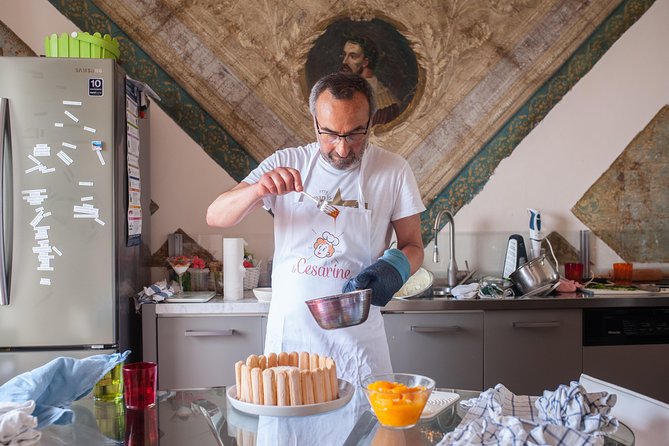
- A local home cook, not a restaurant kitchen: you learn in the real flow of an Amalfi Coast household.
- Fresh pasta instruction: you get guidance for making pasta from scratch, not just assembling a plate.
- Three-course-style cooking: starters, pasta, and a southern Italian dessert are part of the session.
- Family-style tasting with wine and coffee: you eat what you make, plus local wine.
- Small group size (max 10): this feels more personal than a bus-group workshop.
- Host warmth is a big part of the value: Rocco and Carla are singled out for being friendly and gracious.
Positano Cooking Class with a Local Family-Style Meal: What You’re Really Buying
This Cesarine-style home cooking class in Positano is for you if you want something more useful than photos. You’re paying for a personal, hands-on way to understand how southern Italian cooking actually happens: ingredients first, technique second, and a relaxed meal at the end.
At $207.07 per person for about 3 hours, it’s not the cheapest thing on the Amalfi Coast. But the value is in the format. You’re not watching from across a room. You’re cooking, then eating together with wine and coffee. In a place like Positano, that’s often the difference between a nice afternoon and an experience that genuinely sticks.
The class is set up for a small group of up to 10 travelers, and it runs from a Positano meeting point and back again. The tour also uses a mobile ticket, which makes it easier to manage day-of logistics when you’re walking hills and skipping trains.
If you're still narrowing it down, here are other tours in Positano we've reviewed.


Entering a Home Kitchen in Positano (and Why It Matters)
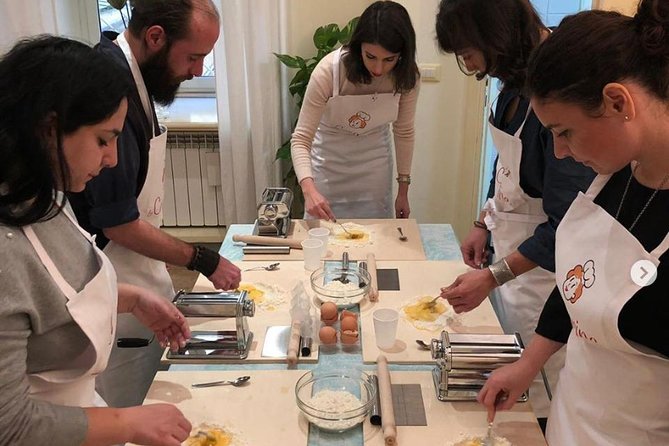
Positano is famous for views, but the best memories often come from everyday life. Cooking in a local home gives you a different kind of perspective. You get to see how people keep things moving during a real meal, including how hosts talk through flavors and timing while you’re working.
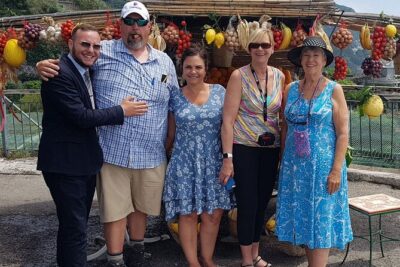
I especially like that this is hosted by local home cooks rather than a commercial cooking studio. Reviews highlight hosts such as Rocco and Carla as friendly, warm, and genuinely focused on teaching. That matters, because “cooking class” can mean a lot of things. Here, the intent is clearly practical: learn techniques and then taste what you made.
That also explains the “family-style” element. You’re not just plated and sent away. You sit together and eat the fruits of your labor with wine and coffee, which turns the class into an actual shared moment.
What You Cook: Starters, Fresh Pasta, and a Classic Southern Italian Dessert
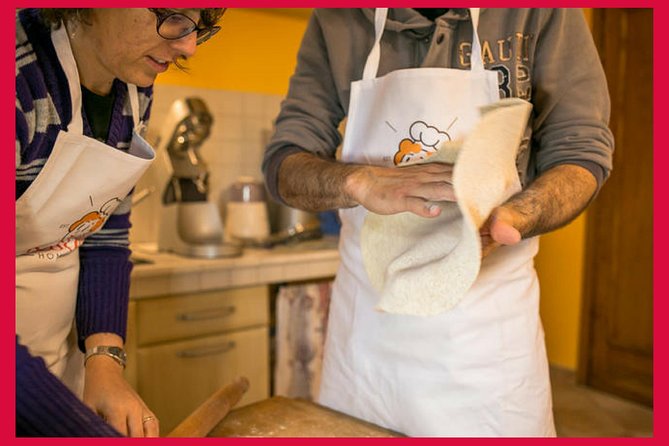
The menu structure is one of the strongest parts of the experience. You’re typically working through three chunks: seasonal starters, fresh pasta, and a classic southern Italian dessert. That combination is smart for two reasons.
First, you learn range. Starters teach you about seasonality and balance. Fresh pasta forces you into technique: dough texture, shaping, and the feel of the process. Dessert lets you see how the southern Italian approach can be both comforting and precise.
Second, it sets you up to understand what you’re eating later in other parts of Italy. Once you’ve felt pasta dough come together and tasted it fresh, restaurant pasta stops being mystery and becomes recognizable craft.
Seasonal starters: learning what changes with the season
The class includes seasonal starters, which is a big deal if you care about flavor and not just performance. Seasonal ingredients are how Italian home cooks keep meals honest. You’ll likely notice how simple ingredient choices become the main event once everything is handled carefully.
Fresh pasta from scratch: the hands-on part you’ll remember
Fresh pasta is the headline lesson. The best part of this experience is that you’re not just doing one quick step. You’re learning the process closely enough that you can understand what “from scratch” actually means.
If you’re a bit nervous, that’s normal. Pasta dough can feel tricky the first time. But a small-group setup and a local host’s guidance usually help you correct as you go. Rocco and Carla are specifically mentioned for being excellent teachers, and that’s consistent with the core purpose of the class.






Southern Italian dessert: end with something familiar and comforting
The dessert course is a classic southern Italian finish. The goal here is not fancy presentation. It’s understanding a home-style approach to sweetness after a savory meal.
Dessert at the end also changes your whole experience. You’ll stop thinking of the class as work and start thinking of it as dinner.
The Meal Moment: Wine, Coffee, and Eating What You Made
Cooking classes can be staged. This one aims to be different. You don’t just sample one bite and leave. The experience ends with a family-style tasting of the three dishes you prepare together, with a glass of local wine and coffee.
That format does two things for you:
- It turns learning into enjoyment. You immediately taste your results while the techniques are still fresh in your mind.
- It helps you interact. You’re sitting with the group and talking through what you did and what you liked.
It’s also one of those quietly practical benefits. After three hours, the Amalfi Coast sun and walking can wear you down. A meal you helped make is an efficient reset.
Small Group Size (Up to 10): How It Changes the Experience
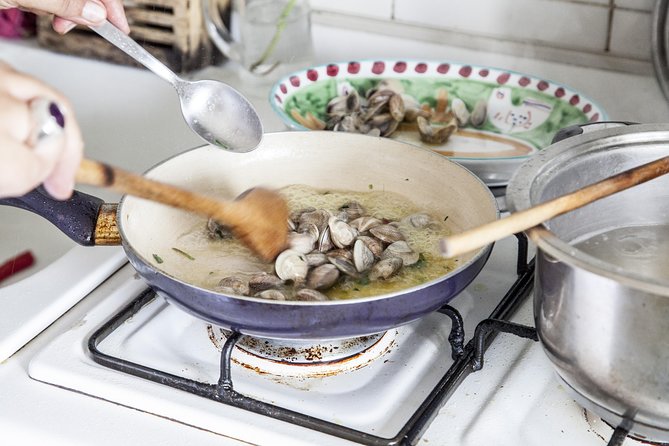
A maximum of 10 travelers is a comfort sweet spot. Large classes can turn into a conveyor belt: lots of watching, little correcting. With a smaller group, you’re more likely to get real feedback as you work.
It can also make the conversation more natural. Hosts often share family details when you’re in a home setting, and the experience described is genuinely about more than recipes. One of the most praised aspects is the sense of meeting a family and hearing about life on the Amalfi Coast, which tends to happen when the group stays small and the tone stays personal.
In short, you’re buying access. Not just instruction.
Price and Value: Is $207.07 per Person Worth It?
Let’s talk numbers plainly. At $207.07 per person, this isn’t a budget activity. But you’re also getting multiple “value components” at once:
- Instruction from local home cooks, not a generic script
- Hands-on cooking time across starters, pasta, and dessert
- A sit-down meal with wine and coffee included
- A private home setting in Positano, where even simple things can cost more
So the question isn’t only, Is it expensive? It’s, Will you actually use what you learn? If you’re the type who wants to cook at home after your trip, pasta technique plus tasting is a strong combo. If you only want a quick meal and zero hands-on effort, the price may feel harder to justify.
Also, booking patterns suggest demand is real. On average, this is booked about 19 days in advance, so earlier planning can help you get a time that fits your schedule.
When It Feels Less Hands-On: A Fair Consideration
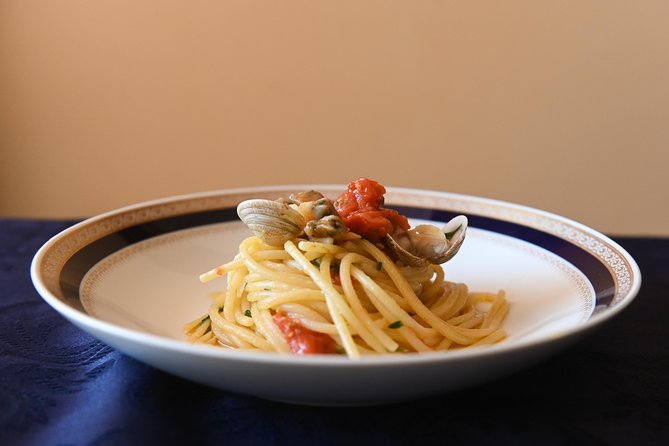
Not every cooking class runs the same way. One important caution: the experience can sometimes feel more like oversight than active, step-by-step teaching.
That can happen for a few reasons—timing, kitchen setup, group pacing, or the way the host teaches. In the one less-positive account, the class was described as not as hands-on as expected.
So here’s what you should do to protect your money and your expectations: if hands-on instruction is your priority, come ready to ask questions early and communicate what you want to practice. You can also manage expectations. Even in the best classes, a home kitchen moves at real-home speed. You’ll probably do a lot, but you might not be micromanaged through every single motion.
Heat and Comfort in a Home Setting: Plan for a Hot Kitchen
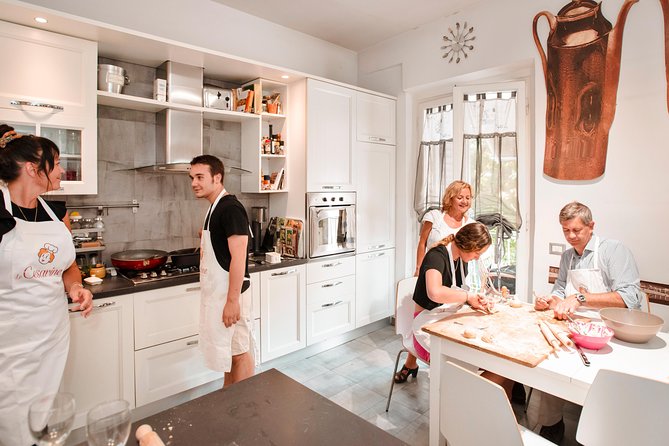
Another consideration is simple but real: the home can run hot, and one account mentions a lack of air conditioning and extreme heat.
You can’t control the weather. But you can control how you show up:
- Wear breathable clothing you can move in.
- Bring a small bottle of water and sip early if you tend to run hot.
- Consider scheduling this earlier in the day if your trip plan allows.
If you’re heat-sensitive, this is worth thinking about before you commit.
Who This Experience Suits Best
This is a good match for you if you:
- want hands-on Positano cooking, especially fresh pasta
- like learning from warm local hosts, not just collecting sights
- enjoy eating what you make, with wine and coffee included
- prefer a small group atmosphere (up to 10)
It’s also a strong option if you’re traveling as a couple or small group and want something more intimate than a standard tour.
If you hate kitchens, dislike anything messy, or you’re hoping for a fully air-conditioned, classroom-style experience, you’ll want to approach with caution given the heat and the possibility of less hands-on teaching.
Practical Tips for Enjoying the Class Without Stress
You’ll have a smoother time if you treat this like a meal you’re taking seriously, not just a paid activity.
- Arrive a little earlier than you think. Positano can be slow-walk and uphill, and you’ll want time to settle.
- Wear shoes you can walk in around a home setting.
- Bring a basic appetite. The class ends with a full tasting, and you’ll likely want room for wine and coffee.
- If you have a cooking question, ask it. In a home setting, hosts often respond well when you show curiosity.
And one more thing: this experience is at its best when you’re open to the social side, not only the food. The most glowing moments are often about meeting the family behind the cooking.
Should You Book Cesarine in Positano?
I think you should book this cooking class if you want a genuinely local way to experience Positano and you’re excited to make starters, fresh pasta, and dessert, then eat together with local wine and coffee. The small group size and the reputation for warm hosting—especially with examples like Rocco and Carla—make it more than a recipe lesson.
If you’re very sensitive to heat or you specifically want heavy, step-by-step instruction for every phase, consider asking questions before you go and be ready for a home-kitchen pace. That single drawback is enough to change the experience from perfect to merely okay for some people.
If you want one authentic afternoon that connects food to daily life on the Amalfi Coast, this is a strong choice.
FAQ
How long is the cooking class in Positano?
The experience lasts about 3 hours.
What will I cook during the class?
You’ll learn to make seasonal starters, fresh pasta, and a classic southern Italian dessert.
Is this class private?
It’s described as a private hands-on cooking class with a local home cook, with a maximum group size of 10 travelers.
What happens after the cooking is done?
You’ll taste the three dishes you made with wine and coffee in a family-style tasting.
Where does the experience start and end?
It starts in Positano and ends back at the meeting point.
Is there anything included besides cooking instruction?
Yes. The tasting includes wine and coffee.
How far in advance should I book?
On average, it’s booked about 19 days in advance.
What is the cancellation policy?
You can cancel for a full refund up to 24 hours in advance of the experience start time.