REVIEW · POSITANO
Positano: Small-group Cooking Class at a Local’s Home
Book on GetYourGuide →Operated by Cesarine · Bookable on GetYourGuide
Home cooking beats restaurants with a view. This small-group Cesarine class lets you make an Italian starter, pasta, and dessert from scratch, then sit down to taste everything with local red and white wines. I also like that you’re not watching from the sidelines—your workstation is set up with utensils and all the ingredients you need.
One thing to plan for: the full address is only sent after you book, and some sessions may require a short commute outside Positano (for example, Priano shows up in past schedules).
In This Review
- Key things to know before you go
- A home-cooked meal is the point here
- How the 3-course session actually unfolds
- Starter: seasonal ingredients, simple but smart
- Pasta: the centerpiece of the lesson
- Dessert: where you learn the finishing touches
- The tasting moment: “did we get it right?”
- Your workstation setup: ingredients, tools, and guidance
- What makes the wines and tasting pairing worth it
- Cesarine is built around home cooks, not professional kitchens
- Price in plain language: why $243.56 can make sense
- Getting to the host: privacy address + practical commute tips
- Who this cooking class is best for
- The host experience: what you can look for on the day
- Should you book this Positano-area cooking class?
- FAQ
- How long is the cooking class?
- How many people are in the group?
- What will I cook during the class?
- Where does the class take place, and where do I meet?
- What drinks are included?
- Is an instructor provided, and what languages do they speak?
- Can the host accommodate food intolerances or allergies?
- Is the experience accessible for wheelchair users?
- What if I need to cancel?
Key things to know before you go
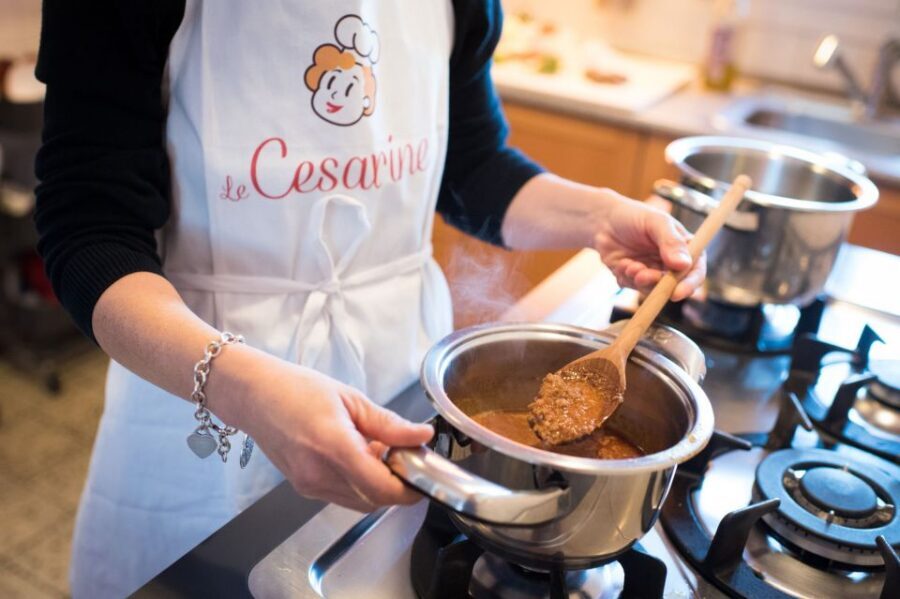
- Hands-on, not a show: you cook three recipes yourself, in a kitchen setting at a local’s home
- Starter + regional fresh pasta + dessert: the menu follows a classic flow, using seasonal ingredients for the first course
- Wine and coffee included: you taste what you made with local wines, plus water and coffee
- Max 10 people: small enough for questions and real participation
- Family stories alongside recipes: hosts share tradition from family cookbooks as they teach
A home-cooked meal is the point here
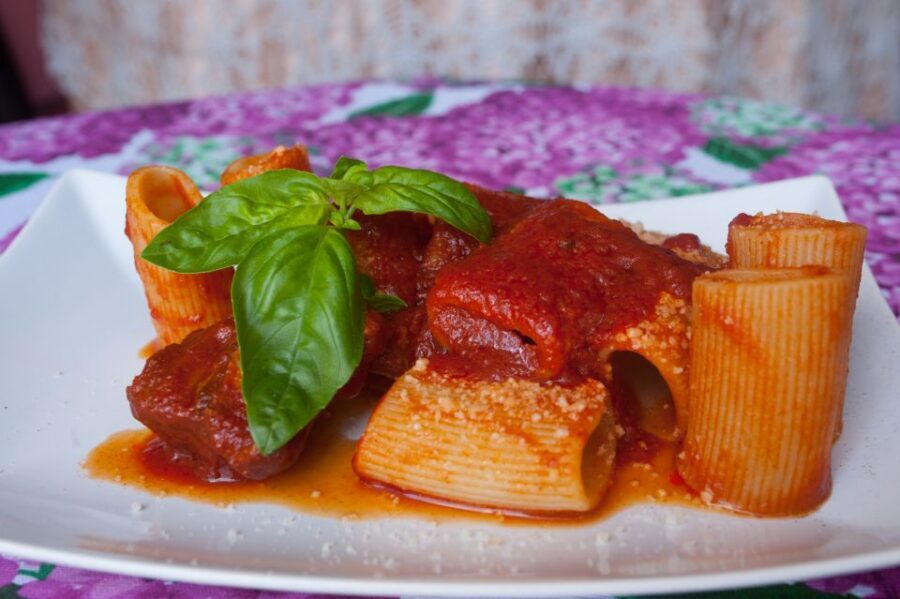
Positano is full of dining rooms. This experience is different because it trades the restaurant script for a real household one. You cook in a local home environment under the guidance of an expert home cook, and the focus stays on practical technique and regional Italian habits—how you build flavor, how you handle ingredients, and how you finish a plate.
A big reason I think this works is the structure: you’re making an appetizer, a pasta dish, and a dessert. That means you learn across the full arc of an Italian meal rather than doing one single recipe and calling it a day.
The other thing I like is the payoff. You don’t just walk away with a recipe card. You taste what you cooked, paired with local wines—so you can judge your results while everything is still fresh and warm.
Other Positano tours we've reviewed



How the 3-course session actually unfolds

This is a 3-hour class, built around three recipes from scratch: a starter, a regional pasta dish, and a typical dessert. While the exact timing can vary by host and day, the rhythm is usually straightforward—cook, taste, adjust, then move to the next course.
Here’s the flow you should expect:
Starter: seasonal ingredients, simple but smart
You’ll start with a course built around seasonal ingredients. In practice, this is where hosts often teach the basics of Italian flavor building—how to balance salt, acidity, and freshness without hiding behind heavy sauces. It’s also a good warm-up, because you can learn technique quickly before things get more hands-on with pasta.
Pasta: the centerpiece of the lesson
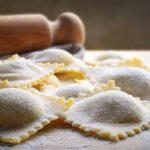
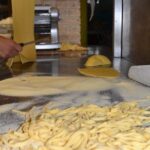
Next comes the pasta dish, made with fresh pasta of the region. Pasta lessons in Italy tend to be teachable in layers: dough and handling, shaping choices, and how you cook and finish the pasta so it matches the sauce. Even if pasta scares you, being in a small group with a workstation and ingredients in place makes it far less intimidating.
Dessert: where you learn the finishing touches
Then you move to a typical dessert. Desserts in Italian home cooking often come down to a few key moves—texture, timing, and how sweetness is balanced. This course is great because it rounds out the whole meal and helps you understand how Italians think in terms of sequence, not just recipes.
Other small group tours we've reviewed






The tasting moment: “did we get it right?”
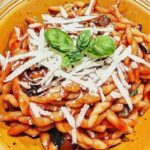
At the end, you eat what you made, accompanied by a selection of red and white local wines. This is when the class stops being purely educational and turns into a shared meal. Also, you get coffee after—another small detail that matters in Italy, where the coffee moment is part of the social rhythm.
Your workstation setup: ingredients, tools, and guidance
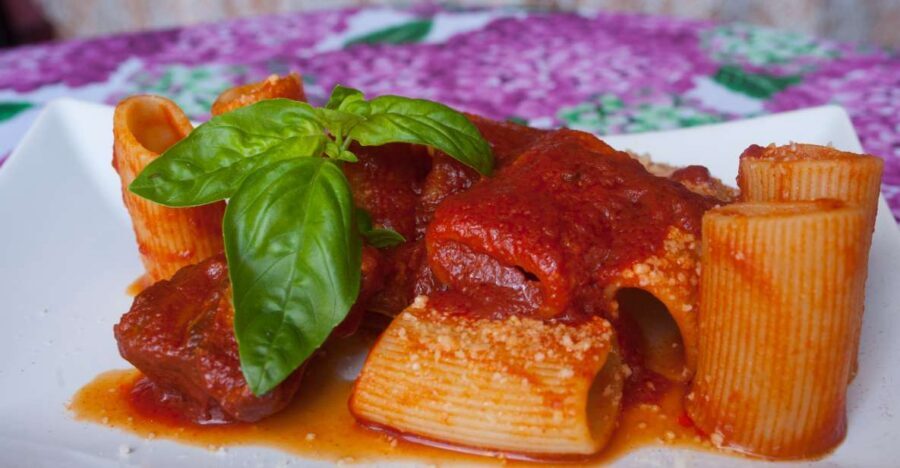
A class like this lives or dies on how prepared the host is. Here, you’ll have your own workstation with utensils and all the ingredients needed for the three recipes. That matters because you’re not spending your time searching for items or adjusting to a cramped setup.
The instructor is listed as Italian and English, so if your Italian is rusty, you should still be able to follow. You’ll also get support while cooking, not after. The goal is that you can repeat parts of the process at home, not just understand them in theory.
One detail I appreciate: your host is also there to explain the secrets and tricks of the trade for the recipes you’re making. That usually means you’ll learn what to watch for as you cook—things like what “done” looks like in real kitchens, not how it reads in a textbook.
What makes the wines and tasting pairing worth it
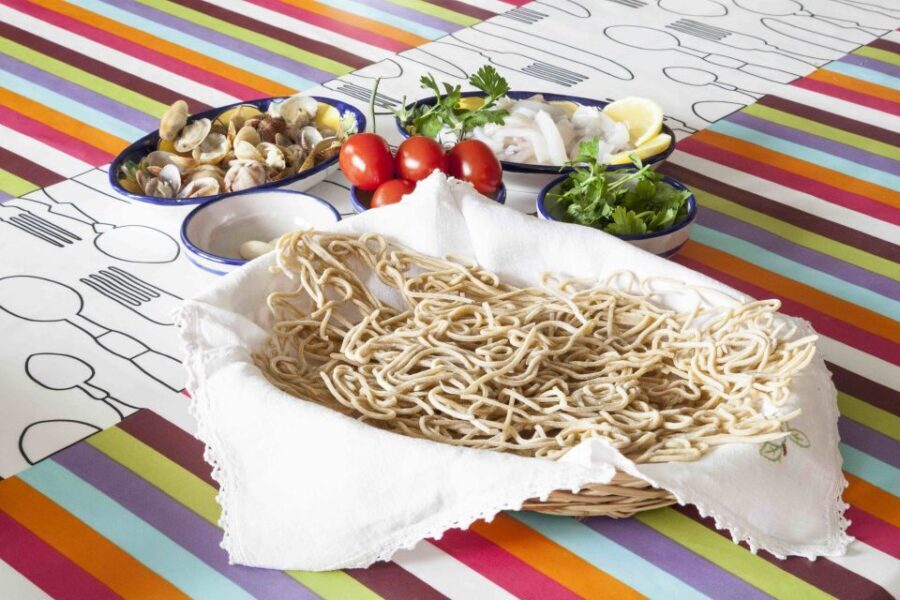
Many cooking classes include tastings. Fewer classes make the tasting feel like a meal. Here, beverages are included: water, wines, and coffee, and the tasting includes the three recipes paired with local wines.
Because the wines are described as a selection of red and white, you’ll likely see how Italians think about pairing across courses—something lighter with starter-style flavors, and something richer for the pasta and dessert arc. Even if you’re not a wine nerd, this gives you an easy way to connect cooking choices to how food tastes in context.
And since you’re eating what you cooked, the tasting becomes an instant feedback loop. If the starter needed more brightness, you’ll notice. If the pasta needed more seasoning, you’ll learn fast. You’re not just consuming; you’re calibrating your palate.
Cesarine is built around home cooks, not professional kitchens
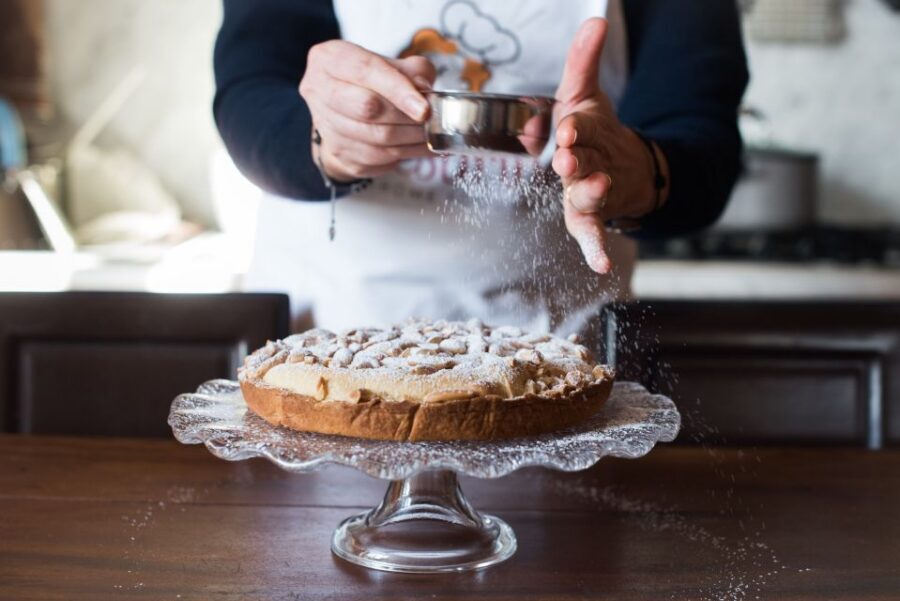
Cesarine is Italy’s home-cook network, with more than 1000 home cooks across 500+ cities. That’s the big idea behind this experience: you’re not only getting a recipe; you’re getting a slice of how Italians cook when they’re feeding family and friends.
Hosts are described as passionate and welcoming, and they often serve local specialties from family cookbooks to tell the story of their traditional regional cuisine. That “story” part isn’t fluff. It’s usually where you pick up the why behind technique—how a dish fits the region, what ingredients matter most, and which steps are non-negotiable in that household.
You’ll also feel the difference from big commercial classes because the group size is limited to 10 participants. Smaller groups mean more conversation time, more chances to ask questions while you’re actively cooking, and less standing around.
Price in plain language: why $243.56 can make sense
At $243.56 per person for a 3-hour class, it’s not cheap. But cooking classes in Italy can be expensive for a reason: you’re paying for the host’s time, the ingredients, the instruction, and the meal.
Here’s how this one justifies the cost based on what’s included:
- You cook three courses from scratch (starter, pasta, dessert), not one recipe
- The experience includes tasting of everything you made
- Wines, water, and coffee are included, so you’re not adding bar bills on top
- You get a small-group setup with a dedicated workstation and ingredients provided
- Local taxes are included
If you’re the kind of traveler who likes taking home a working skill—how to actually do the steps—this can be better value than a single-photo food tour. If you mostly want to sample dishes and keep your hands clean, a cheaper tasting experience might fit better.
Also, in this part of Italy, paying for a high-quality host matters. When the teaching is good and the meal is truly part of the experience, the price stops feeling like a premium and starts feeling like a fair trade.
Getting to the host: privacy address + practical commute tips
For privacy, you only receive the full address after booking. That keeps the focus on the home setting, but it changes how you plan.
Plan on one simple rule: give yourself buffer time. You don’t want to arrive flustered, because class days run better when you’re calm. Since the experience happens at a local’s home, you’ll likely be walking or taking a short local transfer depending on where you’re staying.
One extra consideration: some past sessions were described as happening in Priano rather than Positano, so a short commute may be part of the reality. I’d treat that as a possibility, not a guarantee—then you won’t be surprised if your directions land you just outside the postcard center.
Who this cooking class is best for
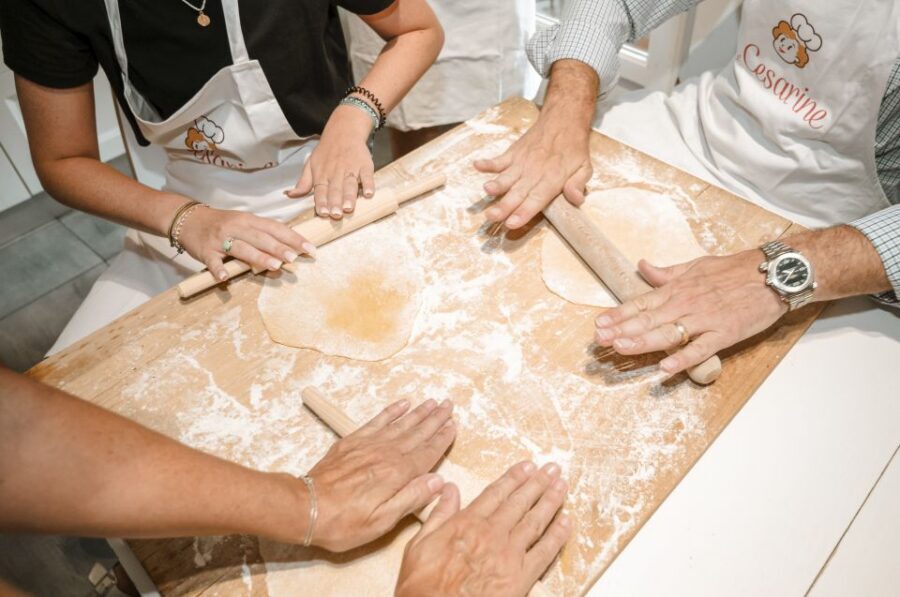
This class is a strong match if you want:
- Real technique in an Italian-home format
- A meal that feels social and sit-down, not just a quick snack stop
- A small group experience where you can talk with the host
- More than “what to eat”—you want to learn how it’s made
It’s especially good for food lovers who like the practical side of cooking. If you’re celebrating a trip milestone or you’re traveling with a partner who enjoys learning together, this format also tends to feel intimate.
If you hate kitchen mess or want total control over what you do, it might feel a little more involved than you expect—because you’re making three dishes. But the lesson is set up with tools and ingredients ready, and the group size helps keep it manageable.
Not for everyone: it’s not suitable for wheelchair users, so mobility matters.
The host experience: what you can look for on the day
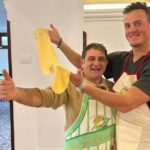
Hosts can make or break a cooking class. In previous sessions, cooks like Carla and Rocco have been praised for being excellent with a group, with Rocco noted for dry humor and Carla recognized for both cooking skill and humor. Another host, Antonio, has been described as an amazing teacher, with a great meal and a lovely setup.
You probably shouldn’t chase specific names, but you can chase the qualities they represent:
- A host who explains steps clearly
- Someone who keeps the group moving
- A relaxed energy that makes questions feel normal
- A kitchen experience that ends with a meal you’re genuinely proud of
And if you’re someone who loves ambiance, keep in mind that some sessions have included impressive views from where the meal is eaten. That’s not guaranteed, but it’s a reminder that in this region, the setting can be part of the pleasure.
Should you book this Positano-area cooking class?
I’d book it if you want one memorable “do this yourself” food experience in Campania—one where you leave with a finished meal, a better sense of Italian technique, and a warmer connection than you’d get from another tasting stop.
Skip it if:
- You mainly want to sample dishes and move on fast
- You’re on a tight budget
- You need the class to be fully accessible by wheelchair
- You’d struggle with arriving at a home and navigating a privacy-based address you don’t know until booking
If you fall in the first group, this is a solid choice. The combination of hands-on cooking, three-course payoff, and included wine makes it feel like a real event, not just a ticket.
FAQ
How long is the cooking class?
The experience is listed as 3 hours. Starting times vary, so you’ll want to check availability for the slot you want.
How many people are in the group?
It’s a small group limited to 10 participants.
What will I cook during the class?
You’ll prepare an appetizer, a pasta dish, and a dessert from scratch.
Where does the class take place, and where do I meet?
The experience is held in a local’s home. For privacy, you only receive the full address after you book.
What drinks are included?
Beverages included with the tasting are water, local wines, and coffee.
Is an instructor provided, and what languages do they speak?
Yes. The instructor speaks Italian and English.
Can the host accommodate food intolerances or allergies?
You’re asked to provide food intolerance and allergy details at booking (or by email with your booking reference). Then the host details are sent after you’ve been matched.
Is the experience accessible for wheelchair users?
No. It’s listed as not suitable for wheelchair users.
What if I need to cancel?
Free cancellation is available up to 24 hours in advance for a full refund.