REVIEW · AMALFI
Tenuta San Francesco Wine Tasting
Book on Viator →Operated by Unique Experience Tour Operator · Bookable on Viator
Old vines, then great pours in a real family estate.
At Tenuta San Francesco in Tramonti, you get a smooth, half-day escape from the Amalfi crowds: a walk through pre-phylloxera vineyards that can trace back 300–500 years, then a tasting in historic buildings. I love that it ties the wine to the land and people, not just a quick sip-and-run. You also get a serious pairing—three DOC wines matched with local breads, cheeses, and cured meats.
Two things I especially like: the setting and the pace. The vineyard visit leads you into the story first, and it stays practical and easy to follow. And the host team—people like Augustine and Giovanni—bring a warm, human vibe that makes the tasting feel like a visit, not a performance. One possible drawback: this experience depends on good weather, so if conditions are rough you may need to shift dates.
In This Review
- Key reasons this wine stop works
- Entering the S. Francesco a Tramonti story, 300 to 500 years at a time
- 11:30 in Tramonti: finding Tenuta San Francesco without stress
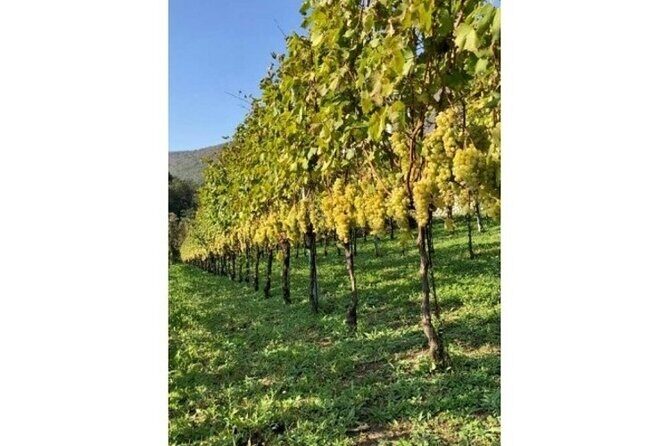
- Pre-phylloxera vineyards: why this part matters more than a photo stop
- The Masseria and 17th-century cellar: where the tasting tempo changes
- What you taste: 3 DOC wines plus a proper Amalfi food table
- Food pairing tips so you get more out of every sip
- Hosts and atmosphere: why it feels authentic, not scripted
- Price and value: is $84.11 for two hours worth it?
- Who this fits best (and who might want to pick a different style)
- Should you book Tenuta San Francesco Wine Tasting?
- FAQ
- What time does the Tenuta San Francesco wine tasting start?
- How long is the wine tasting?
- What wines are included in the tasting?
- What food is paired with the wines?
- Is the tour private?
- Is the tour offered in English?
- Where does the tour meet?
- What happens if the weather is poor?
- Can I cancel for a full refund?
Key reasons this wine stop works
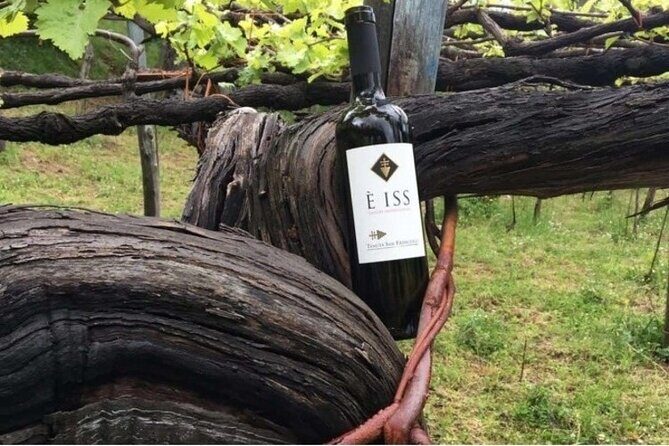
- Pre-phylloxera vineyards (300–500 years): You walk in part of the Amalfi tradition that many places only talk about.
- Historic Masseria + 17th-century cellar: The tasting isn’t staged in a generic room.
- 3 DOC wines from Amalfi Coast – Tramonti: You taste a focused lineup instead of random pours.
- Local pairings built around panzanella: Biscottato bread, tomatoes, basil, plus mozzarella and ricotta.
- Family-estate feel: Hosts like Augustine and Giovanni keep it relaxed, friendly, and very personal.
Entering the S. Francesco a Tramonti story, 300 to 500 years at a time
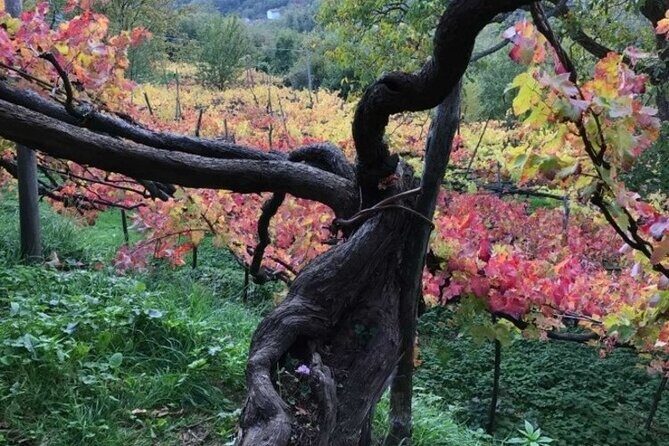
This is the kind of Amalfi experience that makes you slow down without forcing it. The estate was created in 2004 to revive an ancient wine-growing tradition, and you feel that intention right away. The farm covers about eight and a half hectares, and the wines come from grapes linked to three historic local families: the Bove, the D’Avino, and the Giordano.
What I like for you is the balance between old and new. You’re standing in vineyard plots tied to vines that are hundreds of years old, then you move into a cellar that uses modern equipment. That blend matters because it shows how tradition survives: not by freezing time, but by protecting what works and improving what’s needed.
Other Amalfi Coast wine tasting tours

11:30 in Tramonti: finding Tenuta San Francesco without stress
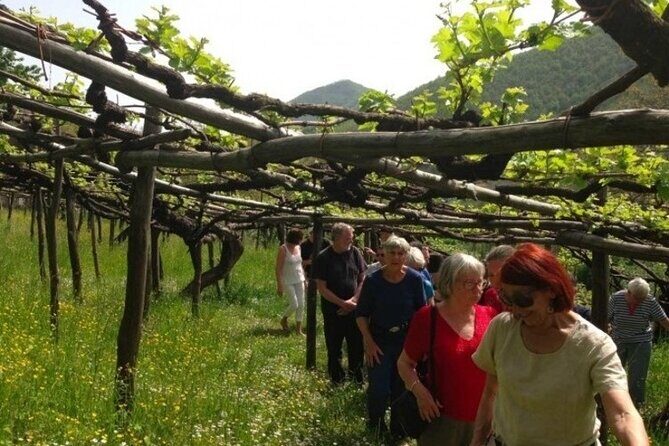
The tasting starts at 11:30 am at Tenuta San Francesco, Via Fieccia, 84010 Tramonti SA, Italy. The activity ends back at the meeting point, so you’re not ending up far from where you started.
The tour runs about two hours, which is a sweet spot on the Amalfi Coast. You get time for a real walk and a full tasting, without burning your whole day. Also, it’s offered in English, and the ticket is mobile, so you won’t be scrambling for paper.
Since it’s private—only your group participates—you don’t have to fight for attention or timing. That can be a big deal on the Amalfi Coast, where schedules often feel crowded.
Pre-phylloxera vineyards: why this part matters more than a photo stop
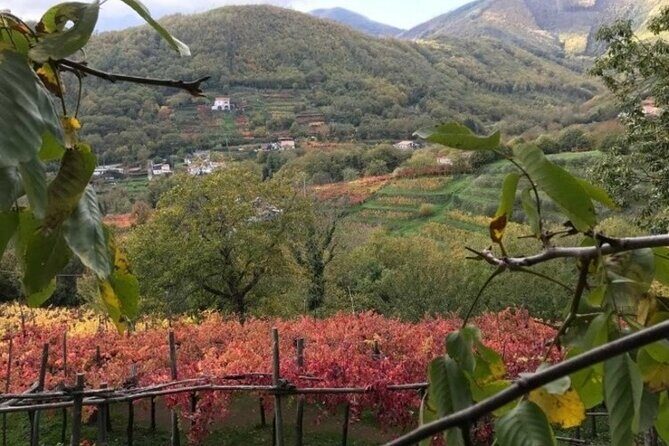
You start with a visit to historic pre-phylloxera vineyards, described as 300–500 years old. That’s not just an impressive label. It’s also a clue about what you’re really seeing: the effort it takes to keep certain vineyard practices alive in a part of the world where conditions and history can be tricky.
This is the moment where the estate’s mission becomes concrete. Instead of starting with wine in a glass, you begin with the living source—vines in the ground, cared for through generations and revived through modern dedication.
A small practical tip: wear shoes you trust. Vineyards can mean uneven ground, and you’ll likely be walking on paths that aren’t designed as museum floors. Keep it simple, and you’ll enjoy the walk more.
The Masseria and 17th-century cellar: where the tasting tempo changes
After the vineyard, you move to the historic Masseria—an 18th-century building—with a cellar from the 17th century. That shift is part of why this tasting feels special. You go from sunlit field views to thick walls, cellar atmosphere, and a more focused tasting rhythm.
The cellar setup is also worth noting. The modern high-tech equipment for winemaking was completed by the beginning of 2005, and the estate is based in the ancient Di Palma family property. They also drew on professional advice from Dr. Carmine Valentino from Avellino. That blend of expertise and tradition is exactly what you want when you’re trying to understand what you’re drinking.
In plain terms: this isn’t just a scenic stop. It’s a real working setup where the wine making has both craft and technology behind it.
What you taste: 3 DOC wines plus a proper Amalfi food table
The tasting includes 3 DOC wines from Amalfi Coast – Tramonti, matched with food you can actually taste on the palate. The pairing is centered on panzanella made with biscottato bread—bread made with double wholemeal flour—plus fresh tomatoes and basil.
On the food side, you’ll also get fresh mozzarella and ricotta, seasoned cheeses, and cured meats. This matters for value and enjoyment. A lot of wine tastings give you a small snack that doesn’t change the wine experience much. Here, the spread is substantial enough that you can taste how the wines respond to salt, acidity, dairy, and herbs.
And yes, you should treat the meal like part of the lesson. If a certain wine feels sharp or softer to you, the food choices are a big reason why. Use that. Let each course help you understand what you’re tasting.
Other food & drink experiences in Amalfi


Food pairing tips so you get more out of every sip
Here’s how I’d handle the pairing to make the whole thing click:
- Start by tasting the wine on its own first, then take a bite of the panzanella before you go back for a second sip. Tomatoes and basil can shift the wine’s feel quickly, so you’ll notice the difference.
- After that, try mozzarella or ricotta when you want to see what the wine does with creaminess. Dairy tends to smooth edges and highlight fruit.
- When you hit the seasoned cheeses and cured meats, pay attention to how salt and fat change the finish. That pairing is often where people realize a wine has more structure than they thought.
This is also a good moment to ask questions of the host. The reviews highlight that the hosts—often people like Augustine and Giovanni—bring real warmth and passion, and they’ll usually help you connect the dots between vineyard, cellar, and glass.
Hosts and atmosphere: why it feels authentic, not scripted
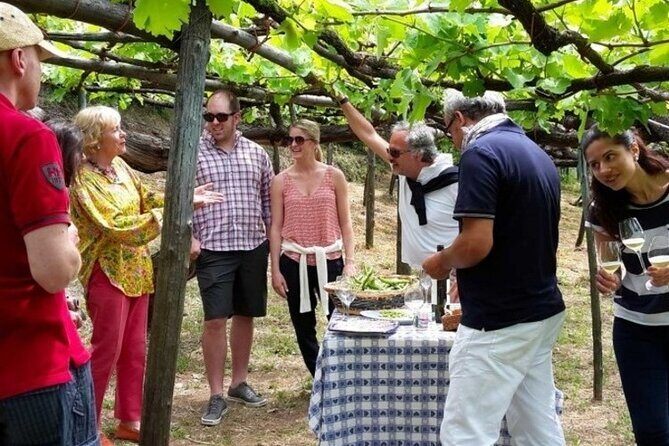
What stands out in the experience is the human tone. People describe it as magical, and a big part of that is the family atmosphere. You’re not shuffled through a generic tasting lineup. Instead, you’re guided through the history and the setting with a host who clearly cares about the wine.
Augustine gets mentioned as pleasant and well-informed, and Giovanni shows up as personable and deeply passionate. Either way, you’re likely to get more than just a list of facts. You’ll probably get the story behind why those grapes, that revival in 2004, and that mix of old vines with modern cellar work are worth your time.
One more practical note: because it’s a private experience, you can set the tone a bit. If you want more talk, ask. If you want a slower pace for tasting, ask that too. Private tours work best when you steer them slightly.
Price and value: is $84.11 for two hours worth it?
At $84.11 per person, this isn’t the cheapest thing you can do on the Amalfi Coast. But it’s not just a sip session either.
For your money, you’re paying for a guided vineyard walk in historic pre-phylloxera plots, a visit to an 18th-century Masseria and a 17th-century cellar, and the tasting of 3 DOC wines. On top of that, you’re getting a full pairing spread: bread salad, fresh mozzarella and ricotta, cheeses, and cured meats.
The private format also changes the math. Even without knowing exact group size, private typically means you’re not sharing attention with strangers while you try to learn what you’re drinking. If you’re coming with a partner or a small group, the experience often feels more like a guided outing than a standard ticketed activity.
If your goal is to taste real wines with real context, this price tends to make sense.
Who this fits best (and who might want to pick a different style)
This tour is a strong match if you:
- want an Amalfi Coast wine experience that starts with the vineyard, not just a room
- enjoy food-forward tastings with bread, dairy, and cured meats
- like historical settings where you can feel the place
You might want to think twice if:
- you’re looking for a long, hands-on winemaking activity (this is a tasting visit with guided walks)
- you’re very weather-dependent and hate schedule changes, because good weather is required
- you prefer tasting lots of different wine options instead of a focused set of three DOC wines
And if you’re a fan of organic wines, this is worth mentioning. One review advises trying the biologici options when available. You can easily ask the host if any organic bottles are part of what you’re tasting or if they recommend a bottle to buy.
Should you book Tenuta San Francesco Wine Tasting?
If you want a wine tasting with real grounding in place—old vines, a historic estate, and a food pairing that actually helps you taste—you should book this. The biggest reason: it’s structured so the wine makes sense, starting from centuries-old vineyards and ending in a cellar that feels tied to the estate’s identity.
Book it especially if your schedule can handle an 11:30 start and you’re okay going for a weather-friendly outing. Also, I’d reserve ahead because it’s commonly booked about a month in advance. If you like small, private experiences where hosts like Augustine and Giovanni can talk with you instead of at you, this fits the bill.
FAQ
What time does the Tenuta San Francesco wine tasting start?
The experience starts at 11:30 am.
How long is the wine tasting?
It lasts about 2 hours.
What wines are included in the tasting?
You’ll taste 3 DOC wines from Amalfi Coast – Tramonti.
What food is paired with the wines?
The tasting includes panzanella made with biscottato bread, fresh tomatoes and basil, plus fresh mozzarella and ricotta, seasoned cheeses, and cured meats.
Is the tour private?
Yes. It’s a private tour/activity, and only your group participates.
Is the tour offered in English?
Yes, it’s offered in English.
Where does the tour meet?
The meeting point is Tenuta San Francesco, Via Fieccia, 84010 Tramonti SA, Italy.
What happens if the weather is poor?
This experience requires good weather. If it’s canceled due to poor weather, you’ll be offered a different date or a full refund.
Can I cancel for a full refund?
Yes. You can cancel up to 24 hours in advance for a full refund.