REVIEW · AMALFI
Authentic Cooking with Locals: Meal, Wine & Scenic Views
Book on Viator →Operated by Bè Genuine Home Experience · Bookable on Viator
A great Amalfi class is more than recipes. This one pairs hands-on cooking with homemade wine and a real home-kitchen feel in Praiano. I love that the meal is built around what the family has in the garden and what they catch, so it tastes like the day you’re there, not a rehearsed menu. You’re also in a group that’s small enough to ask questions and actually cook, not just watch.
What I like most is the combination of technique and welcome: Rocco and Carla guide you through making fresh pasta and sauce, and you start by sharing wine and a small homemade aperitif before you get to work. I also like that you end the experience sitting down together and finishing with a handcrafted digestive. The possible drawback: because this is in a private home and not a studio kitchen, some steps may be led by the hosts rather than every second of the class being at your station, and portion expectations can vary from person to person.
One more practical note: the experience depends on good weather, and the setting involves being outdoors (often shaded), so bring sun protection and plan to dress comfortably for a seaside breeze.
In This Review
- Key Highlights You’ll Care About
- Praiano’s Beachside Start: La Moressa and the NaturArte Walk Mood
- Meet Rocco and Carla: Wine, Aperitif, and a Real-Home Welcome
- The Outdoor Views While You Cook: Coastal Calm Meets a Working Kitchen
- The Menu That Changes With the Garden and the Sea
- Pasta Making You’ll Actually Use: Dough, Shape, and Sauce Pairing
- Wine, Aperitif, Liqueurs, and Digestives: The Taste of the Family
- Timing and Group Size: Why It Doesn’t Feel Like a Production
- Price and Value on the Amalfi Coast: What You’re Really Paying For
- When This Class Is a Great Fit (and When to Think Twice)
- Should You Book This Amalfi Coast Cooking Class?
- FAQ
- How long is the cooking class?
- Where does the class start?
- What’s the group size?
- Is it offered in English?
- What food and drinks are included?
- Do the recipes change?
- Is there a mobile ticket?
- Does it require good weather?
Key Highlights You’ll Care About
- Small group size (max 10) keeps it personal and interactive.
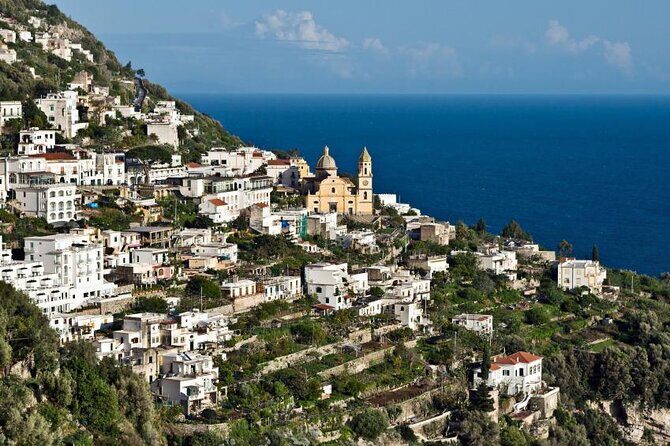
- Praiano views from a covered outdoor cooking area make the meal feel special without being fussy.
- Family recipes that change seasonally use garden produce and daily catch.
- Homemade wine plus a homemade aperitif start the evening, and wine is part of the flow.
- You learn fresh pasta basics (dough, shaping, and how sauce choices work with the pasta).
- Recipe take-home support comes up repeatedly, so you can recreate what you learned.
Praiano’s Beachside Start: La Moressa and the NaturArte Walk Mood
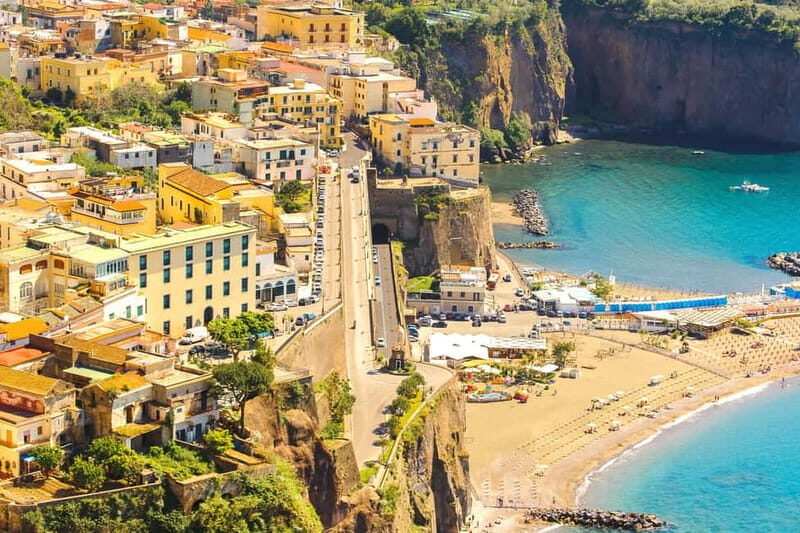
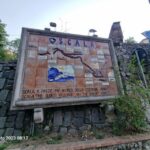
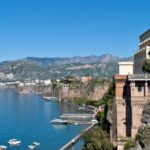
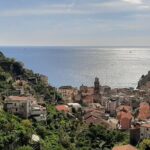
You start at La Moressa italian bistro at P.zza Moressa, 1 in Praiano, right near the main beach area (La Praia), the NaturArte artistic route, and the famous Praiano watchtower. For your planning, this is a good location because it puts you in the heart of the coastal action without forcing you into a complicated “where do we meet” scavenger hunt.
From a comfort standpoint, this also means you can pair the class with sightseeing before or after. If you’ve been doing Amalfi Coast viewpoints and want one evening that feels grounded in daily life, this meeting point makes that easy. It’s also close to public transportation, which matters on the coast where roads and parking can be a headache.
If you’re the type who likes to arrive early and get your bearings fast, do it here. The area is visually dramatic, and you’ll probably want to take a slow look at the coastline before you head into the next phase.
Other cooking classes in Amalfi

Meet Rocco and Carla: Wine, Aperitif, and a Real-Home Welcome
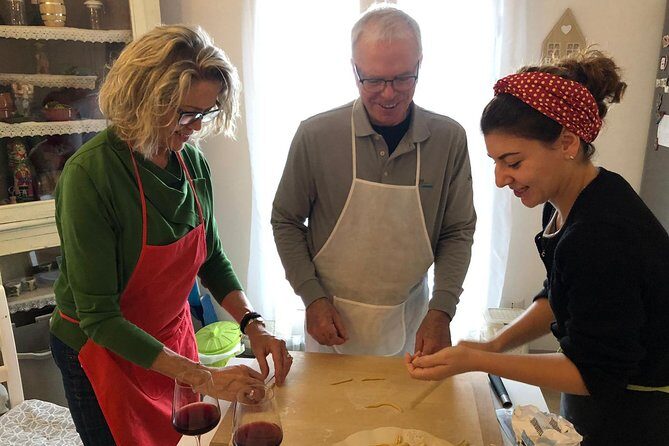
Once you arrive, the flow is relaxed. You gather, have a glass of homemade wine, and taste a small homemade aperitif. That “pre-cooking” time isn’t just a nice perk; it sets the tone. It helps you get comfortable in the kitchen environment, especially if you’re new to making pasta.
Rocco is often described as fun and quick with conversation, while Carla is the one steering the cooking teaching with patience and technique. The vibe is very family-hosted: you’re not being processed like a tour stop. More than one person notes the feeling of being welcomed into their space, including getting to meet their son during the visit.
This part is also where you should ask your questions. Don’t wait until the pasta dough gets moving. If you want to understand how sauce should match pasta shape, how long fresh pasta should cook, or what ingredients are doing the heavy lifting, this is the moment.
The Outdoor Views While You Cook: Coastal Calm Meets a Working Kitchen
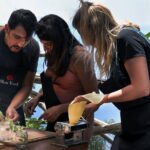
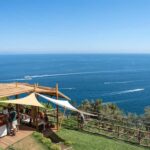
A big part of why this class feels different is that you’re not stuck inside a cramped room. Many people describe an outdoor, undercover cooking setup with scenic views, plus shade from the sun. That matters in the Amalfi region, where the weather can flip from perfect to too hot in minutes.
Here’s the trade-off: being outdoors and in a home kitchen means there’s less of the strict choreography you might expect from bigger cooking schools. On a small team, someone has to coordinate the practical cooking steps, and in some cases you may not be at the exact center of every action. That doesn’t automatically mean you’re not learning, but it can be a mismatch if you expect constant hands-on involvement at each step.
My practical advice: if you want to do everything yourself, say so early and stay close when Carla demonstrates. The experience tends to work best when you treat it like a shared kitchen evening, not a classroom where the instructor talks only while others cook off-screen.
The Menu That Changes With the Garden and the Sea
This is the kind of cooking class where the menu logic makes sense. You’ll follow family recipes and the food varies based on seasonality, garden harvest, and the daily catch. That means you’re not just paying to repeat a generic pasta lesson—you’re eating what’s available and relevant right now.
You can expect the structure of a full meal:
- starter first
- two types of pasta with sauce
- dessert
- then a handcrafted digestive (or digestives)
A menu example includes:
- Starter: Classic Neapolitan eggplant preparation such as eggplant with “boot” or stuffed pepper (stuffed eggplant or bell pepper)
- Main: Homemade pasta, likely Praiano-style or flavored with garden fresh ingredients
- Dessert: Traditional Italian trifle by Mamma Annamaria or a zesty citrus pudding
The practical value here is that you learn how Italian cooking uses seasonal ingredients, not just how to follow steps. When the class is built around local produce and what’s caught that day, it becomes easier to remember what flavors matter and why.
One more detail worth noting for your expectations: some portion sizes and pacing reviews suggest that everyone’s meal enjoyment depends on how you perceive “course quantity” and how active you are in the process. If you’re truly hungry, plan to eat calmly and trust the full meal arc.
Pasta Making You’ll Actually Use: Dough, Shape, and Sauce Pairing
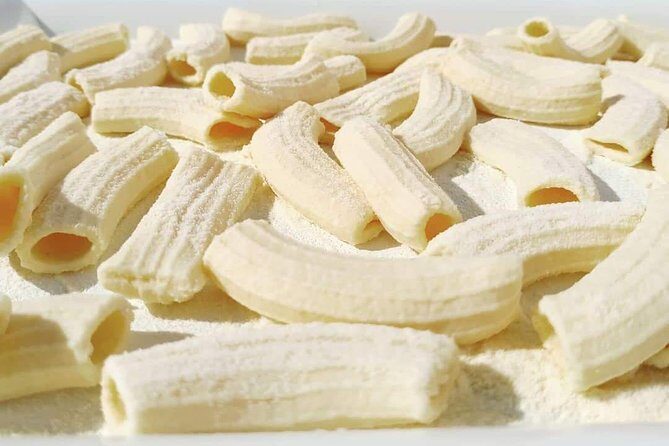
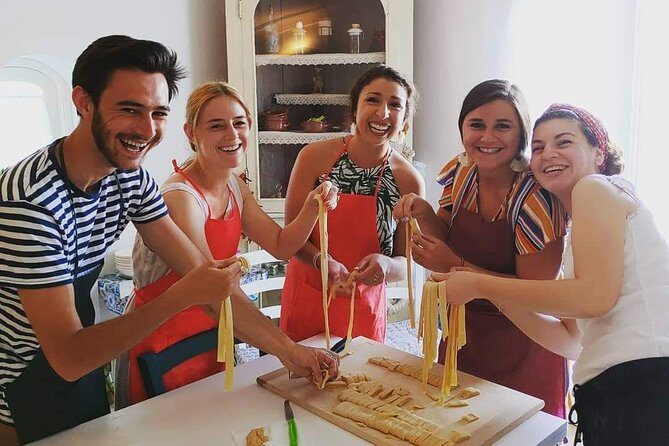
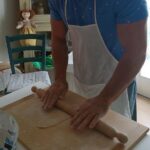
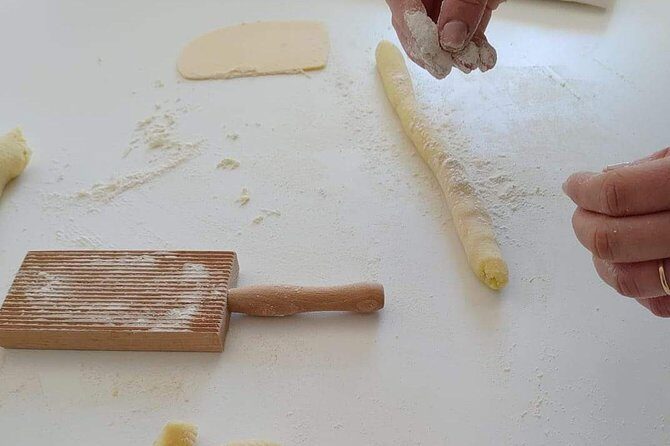
Fresh pasta is the backbone of this experience. You’ll work on multiple pasta shapes (two types) and learn technique with Carla’s guidance. People who’ve cooked pasta at home still highlight that they finally got the dough right, which tells me the teaching focuses on the fundamentals that usually trip people up—texture, handling, and how the dough should feel as you shape it.
You also get the “how it works” part, not just the what. In Italian home cooking, the sauce isn’t an afterthought. The style you make (Praiano-style vs garden flavors) influences what tastes best on that pasta shape. When you learn that link, you can recreate meals later without guessing.
One possible drawback angle: in some home-kitchen setups, certain elements may be prepared away from the main table to keep things running smoothly. If you’re expecting to see every single sauce moment up close, you might find that not everything happens directly in front of you at all times. Still, the instruction tends to be clear enough that you leave understanding the method.
If you want to maximize what you learn, do two things:
- Ask about the dough consistency before you start shaping.
- Pay attention to the sauce stage and ask what makes it work with the pasta you’re eating.
Other cooking classes in Amalfi


Wine, Aperitif, Liqueurs, and Digestives: The Taste of the Family
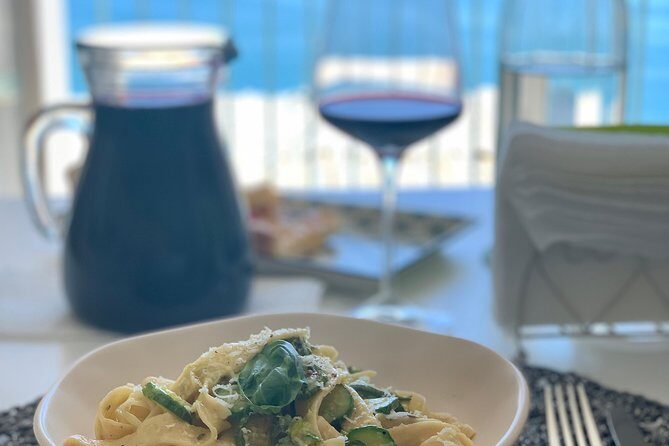
This isn’t a class where wine shows up as a tiny token. Homemade wine is part of the experience, and many people describe trying several wines. You also get a homemade aperitif, and some reviews mention clementine liqueur.
Then comes the finish: dessert followed by a handcrafted digestive. This final step matters because it’s part of the Italian rhythm—sweet, then a digestif that turns the whole meal into an experience, not just a cooking session.
For you, the takeaway is simple: if you like wine pairings or want to taste what a local family makes, this class is set up for that. If you don’t drink, you’ll still be eating a full Italian meal, but the wine is clearly woven into the flow.
Timing and Group Size: Why It Doesn’t Feel Like a Production
The duration is about 3 hours, and the group size is capped at 10. That smaller number is a practical advantage on the Amalfi Coast, where many activities feel crowded or rushed. Here, you’re more likely to get hands-on time and conversation with the hosts and your small group.
It also affects pacing. With fewer people, Carla can adjust when someone needs extra help with dough or shaping. With more people, teaching usually turns into a “watch quickly, do your best” session. With 10 or fewer, it’s more likely you’ll feel guided.
Comfort tip: bring whatever makes you feel steady in a kitchen with food going in multiple directions—closed-toe shoes if you’ll be on uneven outdoor surfaces, and layers if the coastal evening cools off.
Price and Value on the Amalfi Coast: What You’re Really Paying For
At $147.95 per person for roughly 3 hours, this is not a budget activity. But it also isn’t just a “pasta demo.” You’re paying for:
- a full meal (starter, two pastas, dessert, digestif)
- homemade wine and a homemade aperitif
- fresh ingredients from garden and daily catch
- hands-on teaching from Rocco and Carla, not a generic slideshow
- a small group setting that keeps the evening social and personal
On the coast, it’s common to pay a premium for views. Here, you get views, yes, but the real value is the access: you’re cooking in a home environment and learning family recipes, which is harder to replicate on your own without the method and context.
Two extra value notes:
- Some people mention leaving with recipes they can use later, which can turn the price into “this paid for a skill I’ll use again.”
- If you have flexibility and can book directly with the hosts, you may avoid booking-platform commission costs, which can matter when you’re paying near the top of the local price range.
When This Class Is a Great Fit (and When to Think Twice)
This works especially well if you:
- want a small-group evening with a family feel
- like learning technique, not just eating
- enjoy homemade wine and digestives
- want a meal that changes with the seasons
- are excited to try pasta shapes and build sauce-pairing intuition
Think twice if you:
- expect a fully staged, teacher-led theater where you’re involved at every step
- prefer very large portions by Western restaurant standards
- want more than one “main course” in the classic sense
A balanced way to phrase it: this is a cooking-and-dining experience, not a buffet of multiple mains. If you show up hungry and open to the full meal arc, it usually lands well.
Should You Book This Amalfi Coast Cooking Class?
If you’re choosing between another coastal tour and this one, I’d lean toward booking it if your priority is authentic home cooking in Praiano. You’ll likely enjoy the most if you care about how real people cook—using garden ingredients, tasting homemade wine, and learning pasta basics with Carla’s teaching style.
Book it sooner rather than later. It’s commonly reserved about 55 days in advance, which tells me there’s real demand for this format and small-group setup.
If you have concerns about involvement or portions, handle it up front: ask how the class participation works, and make it clear you want maximum hands-on time. You’ll get a better match to what you’re expecting, and you’ll leave with the meal and the skills.
FAQ
How long is the cooking class?
The experience runs about 3 hours.
Where does the class start?
It starts at La Moressa italian bistro, P.zza Moressa, 1, 84010 Praiano SA, Italy, a few steps from La Praia.
What’s the group size?
This activity has a maximum of 10 travelers.
Is it offered in English?
Yes, it’s offered in English.
What food and drinks are included?
You’ll have wine and a small homemade aperitif, then you’ll prepare and enjoy a meal that includes a starter, two types of pasta with sauce, dessert, and a handcrafted digestive (digestives).
Do the recipes change?
Yes. The menu and recipes vary based on seasonality, garden harvest, and the daily catch.
Is there a mobile ticket?
Yes, a mobile ticket is provided.
Does it require good weather?
Yes. The experience requires good weather, and if it’s canceled due to poor weather you’ll be offered a different date or a full refund.
If you want, tell me your travel month and whether you’re more interested in wine pairing, hands-on pasta technique, or scenic moments—and I’ll suggest the best time of day to schedule this in Praiano so it fits naturally with your other plans.