REVIEW · AMALFI
From Amalfi Coast: Pompeii Herculaneum skip-the-line
Book on GetYourGuide →Operated by SUNLAND VIAGGI E TURISMO AMALFI COAST · Bookable on GetYourGuide
Two Roman cities, one day, big punch.
This Pompeii and Herculaneum day trip is a smart way to see two different sides of Vesuvius history without losing hours to ticket lines. You’ll ride from the Amalfi Coast, then spend guided time in Pompeii and Herculaneum—the ancient cities buried in 79 A.D.
I love that you get skip-the-line tickets included, so your time goes to the excavations instead of the entrance queue. I also like the structure: an expert archaeological guide leads you through key areas, and you’re not left wandering alone.
One thing to keep in mind: this is a long, walking-heavy day on uneven ground. It’s also not a great match if you have mobility limits or motion sickness, since the ruins involve extended walking through excavated areas.
In This Review
- Key things I’d zero in on
- Coach Time on the Amalfi Coast: Views and a Real Schedule
- Entering Pompeii Faster: The Skip-the-Line Advantage
- Pompeii’s Commercial City: What to Watch For in 2 Hours
- Lunch Break in the Middle: Use It Like a Pro
- Ercolano (Herculaneum): Residential Life After the Eruption
- Baths and Gymnasium: Roman Life You Can Picture Fast
- Tour Flow: Why Reversing the Order Can Feel Better
- The Cameo Atelier Stop: What It Adds to the Day
- Who This Tour Fits Best (and Who Should Skip It)
- Price and Value: Is $169.93 Worth It?
- Booking My Go/No-Go Advice
- FAQ
- How long is the Pompeii and Herculaneum skip-the-line tour?
- Does the tour include skip-the-line tickets?
- Are meals included?
- What do I actually do in Pompeii?
- What do I do in Herculaneum?
- Is the tour guided in English?
- Where does pickup and drop-off happen?
- Is there a stop on the way back?
- Is this tour suitable for limited mobility?
- Can I cancel and is there a pay later option?
Key things I’d zero in on
- Skip-the-line access to the ruins, built into the price
- Small-group pacing with a live English archaeological guide
- Two cities with different vibes: Pompeii’s commercial center vs Herculaneum’s residential feel
- Roman everyday life stops like the public baths and gymnasium area at Herculaneum
- A cameo atelier stop on the return route
- Free entrance opportunities on the first Monday of each month and special Sundays
Coach Time on the Amalfi Coast: Views and a Real Schedule
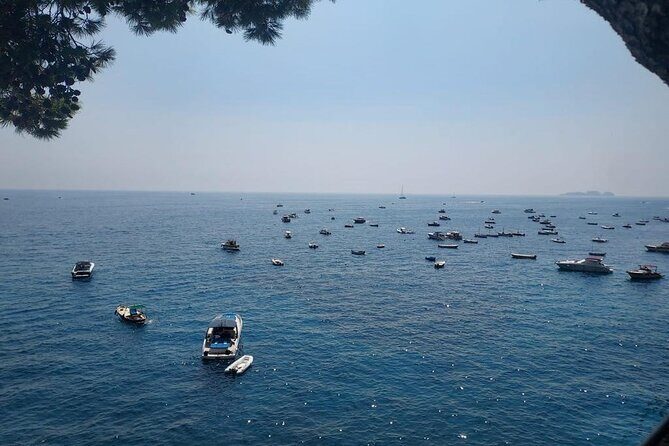
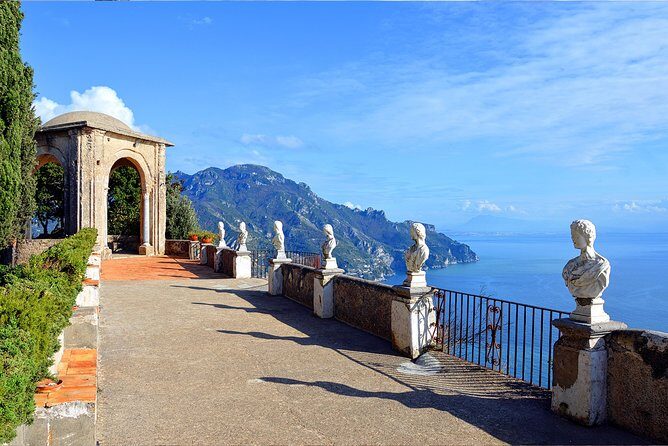
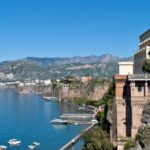
Your day starts with meeting your group at a location that can vary by option, then boarding an air-conditioned coach. If you’re starting in the Amalfi Coast towns, you’ll head out via the Amalfi Drive, passing coastal scenery that’s worth paying attention to because it sets your mood for what comes next.
The timing is designed around site visits: you’ll have about 2 hours guided in Pompeii, a free lunch window, then about 2 hours in Herculaneum. That adds up to a full day, so plan on moving quickly between stages and staying flexible if traffic or pacing runs slower than expected.
Other Pompeii tours we've reviewed
Entering Pompeii Faster: The Skip-the-Line Advantage
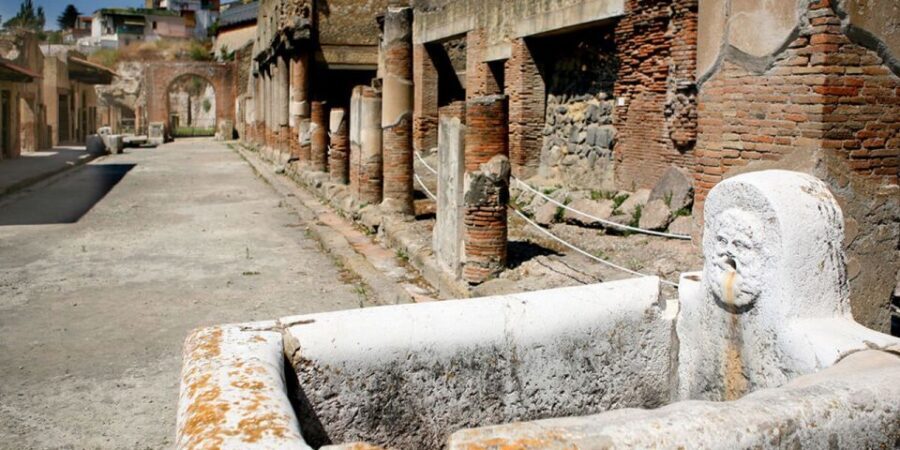
Pompeii can be a time-sink if you show up and hope for the best. That’s why I’m glad the ticket is handled for you: skip-the-line tickets are included for the ruins of Pompeii (and Herculaneum too). In practice, this means you can get your bearings fast and spend your energy on the city itself.
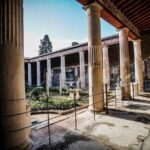
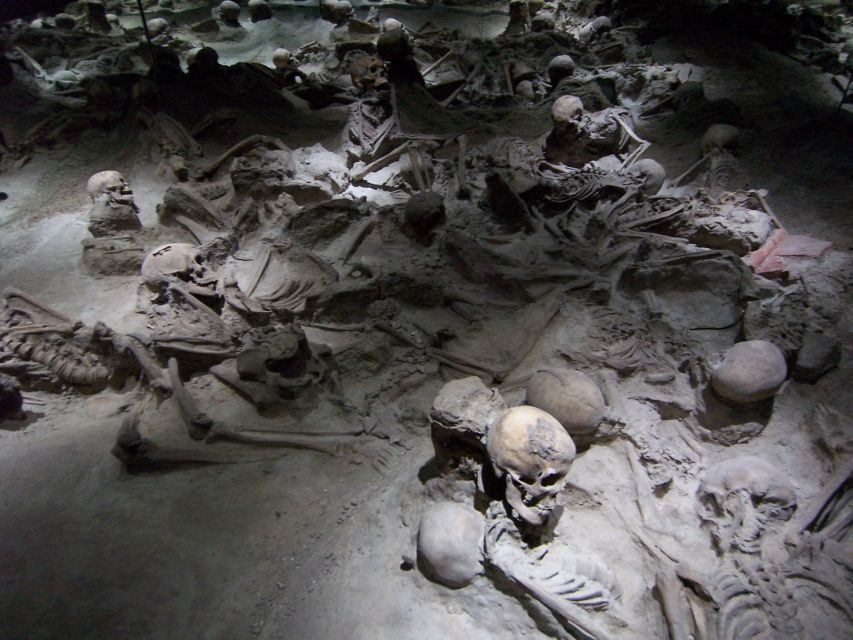
Once inside, your guide takes you through the excavations as a single story: Pompeii was a commercial center that was buried by Vesuvius. During the night between 24 and 25 August 79 A.D., around 5 meters of lapilli and ash covered the city—sudden, complete, and utterly disruptive.
Pompeii’s Commercial City: What to Watch For in 2 Hours
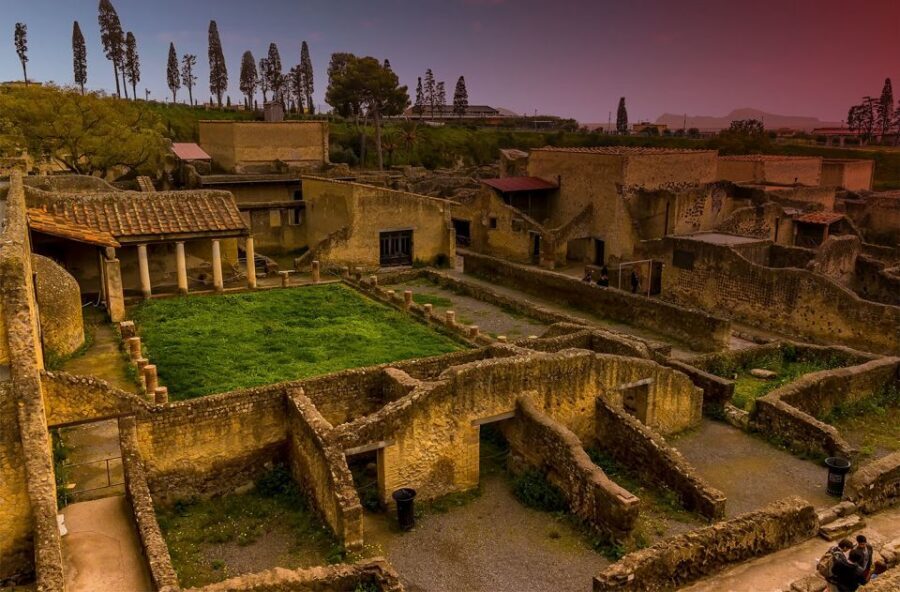
Your guided time in Pompeii is about two hours, which is enough to see major themes but not enough to absorb everything at street level. So you’ll want to focus on what your guide points out: the way the site shows daily movement, commerce, and the physical layout of the city when life suddenly stopped.
What makes Pompeii special is the clarity of the interruption. You’re not just looking at ruins; you’re seeing how quickly a city was sealed off by volcanic deposits. Your guide’s job is to connect the physical structures to the story of ordinary people living their routines—work, trade, and travel—then losing it all overnight.
Practical tip for the pacing: during guided segments, stay close enough to hear well and take in the guide’s wayfinding. Excavation paths can branch, and it’s easy to get separated from the group if you linger.
Lunch Break in the Middle: Use It Like a Pro
After Pompeii, you get free time for lunch before heading onward. Lunch isn’t included, so you’ll be choosing on the fly, and that’s where your priorities matter: do you want to sit down and recharge, or grab something quick so you can keep your energy for Herculaneum?
One detail I’d plan around: you may not have a direct bus hop at the end of the Pompeii segment to take you right to a lunch stop. That can leave you with a hot walk, especially in summer, after a long stretch at Pompeii. Wear shoes you trust, and if you tend to overheat, treat lunch as a “reset button,” not just a meal.
If you care about squeezing in extra context, keep an eye out for museum areas on-site. There’s a good chance you’ll see a museum component as part of the broader Pompeii complex, and it’s worth using your time if it fits your energy level.
Ercolano (Herculaneum): Residential Life After the Eruption
Then comes the shift: Herculaneum (often called Ercolano in Italian contexts). Your guided visit here is also about two hours.
Unlike Pompeii’s role as a bustling commercial hub, Herculaneum was a quieter residential coastal town. That difference matters. In Pompeii, you’re reading a city built for business and public life; in Herculaneum, you’re more likely to feel the texture of where people lived—rooms, household spaces, and the daily rhythm of a smaller community.
The experience becomes more intimate because the city’s character feels closer to private life than the public streets and commercial zones.
Other Amalfi Town tours we've reviewed






Baths and Gymnasium: Roman Life You Can Picture Fast
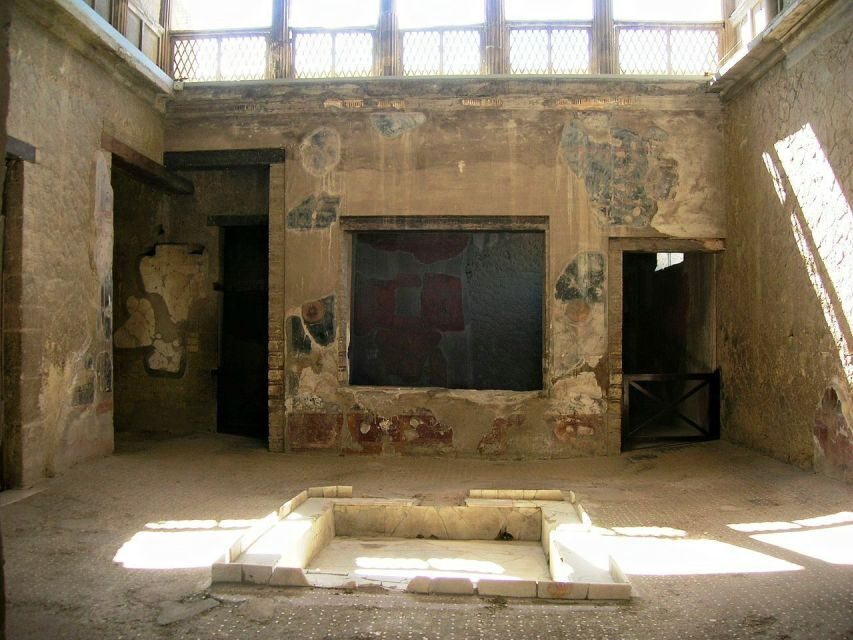
One of the standout themes you’ll get through the guide is Roman everyday life—especially at Herculaneum. The tour includes notable stops such as the public baths and the gymnasium, which are exactly the kind of places where you can picture the routine behind the architecture.
Why this is valuable: baths weren’t just about washing. They were social spaces, part workout, part hangout, part public ritual. Seeing those settings helps you understand Roman culture as something lived, not just carved in stone.
Hearing note: Herculaneum can be tricky for audio if you’re not close to the guide. If your tour option includes an optional audio guide, it can help you keep up with context while you walk. If you want maximum understanding here, don’t lose your position—stay where you can hear instructions clearly.
Tour Flow: Why Reversing the Order Can Feel Better
The tour runs Pompeii first, then Herculaneum on the return. That order works fine for many people, but if you’re sensitive to heat and walking fatigue, you might prefer the opposite flow: start with Herculaneum, then head to Pompeii later.
I say that because the Pompeii portion can feel like a long stretch, and if you’re worn out afterward, the lunch walk and the final push to Herculaneum can feel tougher. If you love both sites equally, you’ll still get great value either way—but for comfort, consider that “energy management” choice when you pick your departure time.
The Cameo Atelier Stop: What It Adds to the Day
On the way back, you’ll stop at a well-known cameo atelier. This isn’t another ancient excavation, but it does connect the region’s craft tradition to a tangible souvenir idea.
Here’s how to approach it: treat the atelier as a structured break from ruins. Browse if you’re curious, ask questions if the staff are explaining processes, and decide early whether you want to shop or just view. It’s a nice change of pace when your legs are starting to feel the long day.
Who This Tour Fits Best (and Who Should Skip It)
This is a strong choice if you want a guided day focused on two major archaeological sites, without wasting time on ticket lines. If your idea of a great day is historical context plus an efficient route, you’ll likely enjoy the format.
It’s also well suited for people who prefer a small group and an English-speaking guide, since the pacing is organized around what matters most at each site. Plus, the tour is built around Pompeii plus Herculaneum—you don’t have to choose one and wonder what you missed.
But skip this option if any of the following apply:
- You have limited mobility (there’s a long day of walking around excavations)
- You have motion sickness concerns
- You have pre-existing medical conditions that could be affected by a full-day schedule
Price and Value: Is $169.93 Worth It?
At about $169.93 per person for an 8–9 hour outing, you’re paying for more than entry tickets. You’re getting:
- Air-conditioned transportation
- An expert local archaeological guide
- Skip-the-line tickets for both Pompeii and Herculaneum
That package is the value story. The day is expensive only if you plan to do it with separate logistics and separate admissions on your own. Here, the heavy-lifting is handled: transportation + guide + timed site access. If you’re short on time on the Amalfi Coast and you want both sites in one shot, this cost is easier to justify.
Also remember: food and drinks aren’t included, so your final spend depends on lunch choices. Still, the core experience is bundled, and the skip-the-line element usually pays off immediately in a place where waiting can eat your morning.
Booking My Go/No-Go Advice
I’d book this tour if you want:
- Two sites in one day (Pompeii and Herculaneum)
- An English guide to make the ruins click into context
- Skip-the-line tickets so your time goes where it counts
- A guided pace with a small group
I wouldn’t book it if you dread long walking on uneven ground, or if you know you get motion sick on coaches. And if your #1 priority is maximum comfort, you might want to plan for heat and wear-and-tear—this is a full day, not a quick highlight loop.
Bottom line: if you’re physically up for a walking-heavy day and you want the “best of both cities” experience, this is a practical, good-value way to do it.
FAQ
How long is the Pompeii and Herculaneum skip-the-line tour?
The duration is listed as 8 to 9 hours, depending on starting times shown in availability.
Does the tour include skip-the-line tickets?
Yes. Skip-the-line tickets for the ruins of Herculaneum and Pompeii are included.
Are meals included?
No. Food and drinks are not included. You’ll have free time for lunch after the Pompeii visit.
What do I actually do in Pompeii?
You arrive and get about 2 hours of guided time touring the excavations, focused on Pompeii as a commercial center buried by Vesuvius in 79 A.D.
What do I do in Herculaneum?
You’ll have about 2 hours to visit the excavations with your guide. Herculaneum is presented as a more residential coastal town, with notable areas such as the public baths and gymnasium.
Is the tour guided in English?
Yes. The live tour guide is in English, and there is an optional audio guide in English as well.
Where does pickup and drop-off happen?
Meeting points vary by option booked. There is optional pickup by minibus from Praiano to Amalfi included. For Positano and Praiano options, return shuttle minibus to Amalfi to board the small coach is included, but on the return due to traffic regulation no minibus service is available and drop-off will be Amalfi.
Is there a stop on the way back?
Yes. On the return journey, the tour includes a stop at a well-known cameo atelier.
Is this tour suitable for limited mobility?
No. It is not suitable for people with limited mobility because it involves a long day of walking around excavation sites.
Can I cancel and is there a pay later option?
Yes. You can cancel up to 24 hours in advance for a full refund. You can also reserve now and pay later, with an option to pay nothing today.