REVIEW · AMALFI
Amalfi: Limoncello Factory Visit with Instructor and Tasting
Book on GetYourGuide →Operated by Antichi Sapori d'Amalfi · Bookable on GetYourGuide
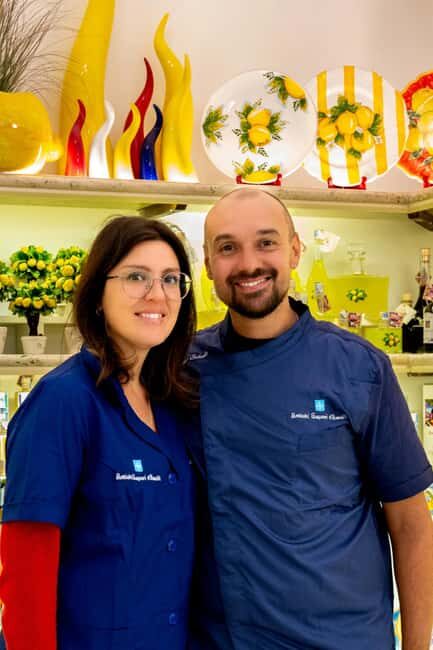
Limoncello training in the middle of Amalfi. This small-group visit at Antichi Sapori d’Amalfi mixes an old-factory lesson with a serious tasting, so you understand what makes great limoncello and not just how it tastes. I especially like the way Vittario (and the family) teach the process, step by step, and the end part where you sample different limoncello styles and flavors. One watch-out: it’s an adult-focused tasting experience, and it’s not suitable for kids under 18 or for people with diabetes or lactose intolerance.
The meeting point is easy to find: Piazza Duomo, right next to Bistro f.lli Pansa. You’ll have an English-speaking instructor, and the whole thing runs about 80 minutes in a group capped at 7, which keeps the pace friendly rather than rushed.
In This Review
- Key things I’d plan for
- Why this limoncello visit feels different in Amalfi
- Where it starts: Piazza Duomo and meeting Vittario
- Inside the old factory: history plus the production essentials
- The tasting lesson: temperature and how to judge quality
- Hands-on moments: learning the craft (and maybe getting lemon duty)
- The family recipe and how to recreate it at home
- Snacks and sweets: lemon cake and biscuits for the finishing act
- What you’re paying for: $94 in real terms
- Who this tour suits best (and who should skip)
- Should you book the Amalfi Limoncello Factory Visit?
- FAQ
- Where is the meeting point?
- How long is the experience?
- What language is the instructor?
- How big is the group?
- What’s included in the ticket price?
- Is transfer included?
- Can I cancel for a refund?
- Can I pay later?
- Who is the tour not suitable for?
Key things I’d plan for
- The only limoncello factory in Amalfi’s center: you’re not doing a drive-by stop.
- Instructor-led, not just a walk-through: you’ll be tested and taught how to taste.
- Multiple limoncello types: the goal is comparison, not one sample and done.
- Family recipe sharing + tips for home: you learn the logic, not only the product.
- Snacks as part of the session: lemon cake and biscuits show up at the end.
- Small group size (7 max): more questions, less waiting.
Why this limoncello visit feels different in Amalfi
Amalfi is all about lemons and coastline glamour, but this experience puts you on the other side of the postcard. You’re stepping into a working-style limoncello world located in the center—specifically the only limoncello factory there—so the trip feels grounded and real.
The format is also the point. Instead of a passive tour where you watch someone else pour, you’re guided through how limoncello is made, how to evaluate quality, and then how to taste with purpose. That makes the final samples hit harder. You don’t just sip. You notice.
And because it’s a family operation (multigenerational, with Vittario hands-on), the lesson doesn’t come off like a scripted sales pitch. It’s closer to learning a craft that’s been kept consistent for years.
Other limoncello and lemon farm tours we've reviewed



Where it starts: Piazza Duomo and meeting Vittario
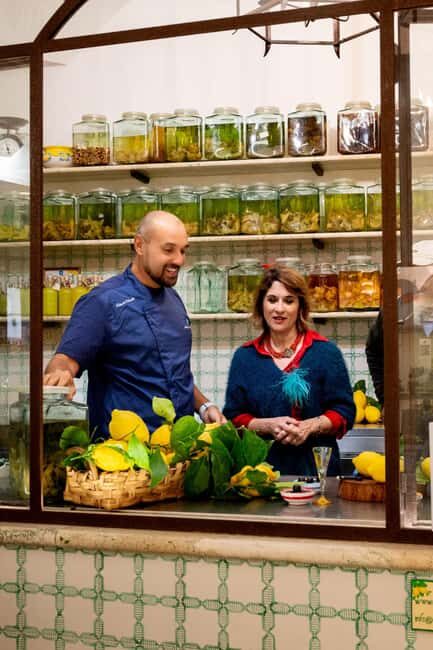
You start at Piazza Duomo, at the corner near Bistro f.lli Pansa. It’s the kind of meeting point that helps you get oriented quickly in Amalfi—no bus drop-off chaos, no long “where are we?” hunt.
From there, your group heads to the factory. The time you spend walking is short, but it helps you shift gears from sightseeing mode into classroom mode.
A fun detail in the structure: before the real production talk, your instructor checks your knowledge of limoncello. It’s not a trick. It’s a reset. You’ll find out fast what’s basic, what’s misunderstood, and what to pay attention to later when you taste.
Inside the old factory: history plus the production essentials
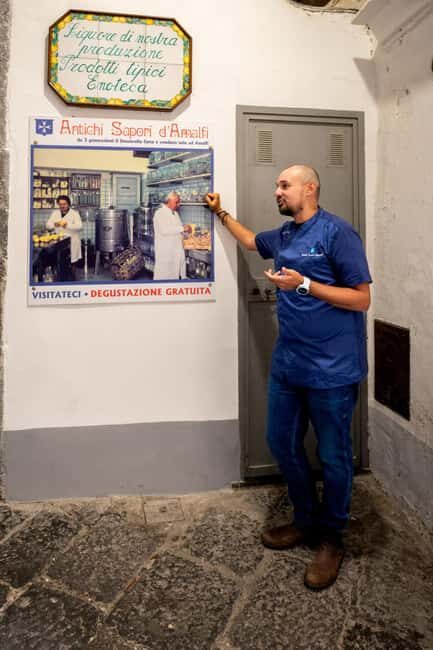
Once you’re inside, the experience aims for two things at once: history and process. The setting matters. You’re not in a modern, glassy showroom. You’re in an older factory space where the story of limoncello feels more tangible.
You’ll get an introduction that covers the key ingredients and the kind of alcohol used. The instructor also explains what to look for to recognize a quality drink. This is where the experience starts turning from fun to useful.
Here’s the practical value: when you understand what goes into limoncello, you can make sense of what you’re tasting. The goal isn’t to memorize chemistry. It’s to know what differences matter—like ingredient choices and how careful production can affect smoothness and fragrance.
The tasting lesson: temperature and how to judge quality
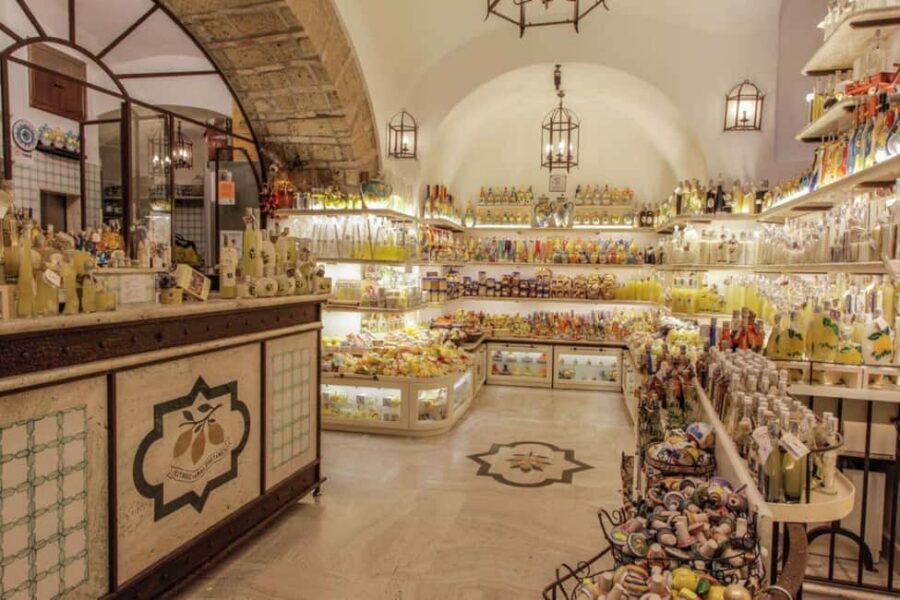
The tasting part isn’t random pours. You’re shown how to taste and, specifically, at what temperature to serve it. That detail matters more than you’d think. Serve something too cold and you can mute the lemon aromas. Serve it wrong and the drink can feel harsher than it should.
Then you compare different types of limoncello. This is one of the highest-value parts of the tour because you’re learning a method: how to recognize quality by taste and how to notice differences between versions.
From the teaching style, you should expect a mix of explanation and prompting. You’ll hear how to think about the label and then how the liquid should behave in the glass. The point is to train your palate so that your next purchase in a shop makes more sense.
Hands-on moments: learning the craft (and maybe getting lemon duty)
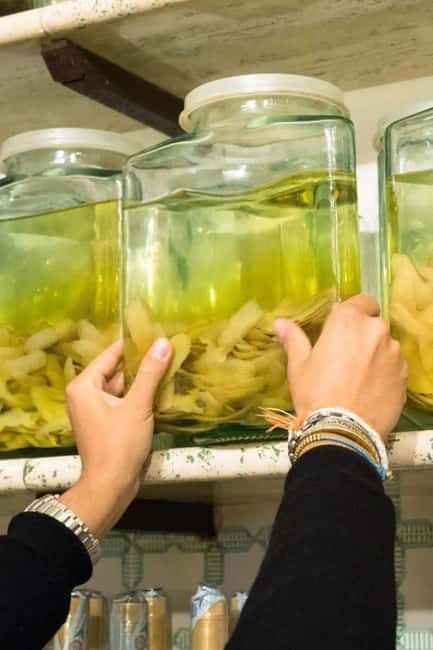
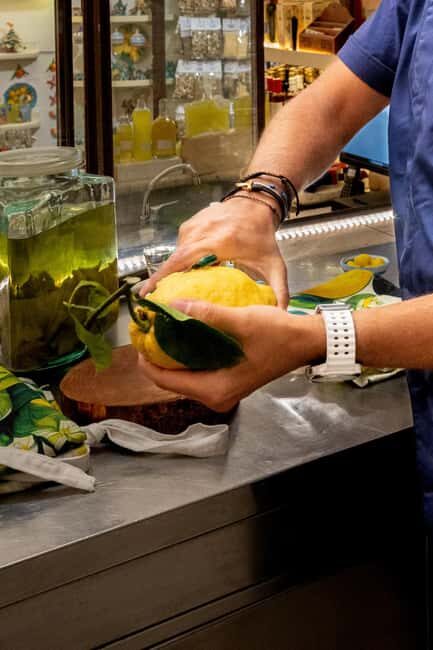
Even though limoncello takes weeks to make, the session still includes practical moments. Depending on what the family is doing that day, you might get hands-on activities connected to production—one example mentioned in experiences is peeling lemons to add to a batch.
That kind of participation does two useful things:
1) It turns the lesson into something physical, not just verbal.
2) It makes you appreciate how much care goes into the “small” steps, especially when lemons are the star ingredient.
Also, the way Vittario and the family teach tends to be personal. You’re not treated like a ticket number. The tone is enthusiastic, and questions are welcome, especially in a small group of up to 7.
Other food & drink experiences in Amalfi


The family recipe and how to recreate it at home
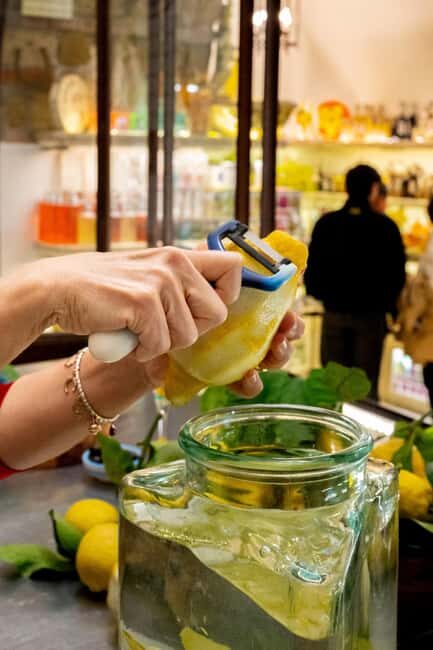
One of the reasons this visit is worth the price is that you don’t leave with only tasting memories. You get tips for making limoncello at home and you learn the factory’s family recipe approach.
To be clear: you’re not leaving with instant gratification. Limoncello production takes time. But the tour does what a good class should: it gives you the reasoning behind the steps so you’re not guessing.
This is also where you’ll likely hear advice tied to smoothness and quality. The family focuses on old-school fundamentals and only using key ingredients. That matters for your future buying too. If you later taste a limoncello that feels one-note or too sharp, you’ll know what to compare against.
A few experiences also mention printed materials like a recipe and, in some cases, a certificate. Even if extras vary by group, the core takeaway is consistent: you understand the process well enough to attempt it at home or at least buy more intelligently.
Snacks and sweets: lemon cake and biscuits for the finishing act
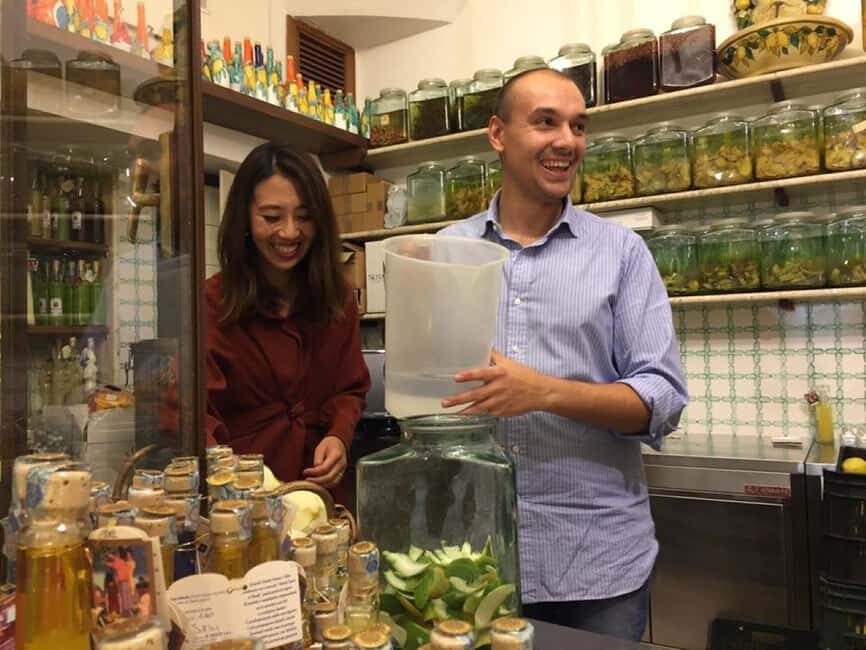
The tasting ends with snacks, including lemon cake and biscuits (and other sweets). It might sound like a throw-in, but it actually helps you reset your palate between samples.
Lemon desserts aren’t just tasty here—they reinforce the lemon flavor theme. You’ll taste the drink, learn how the lemon character should come through, and then follow it with a sweet that matches that lemon profile. That pairing makes the flavor differences more obvious.
If you have food concerns, pay attention to the “not suitable” note for lactose intolerance. The tour specifically lists lactose intolerance as a no-go, so don’t count on the snacks being adjustable.
What you’re paying for: $94 in real terms
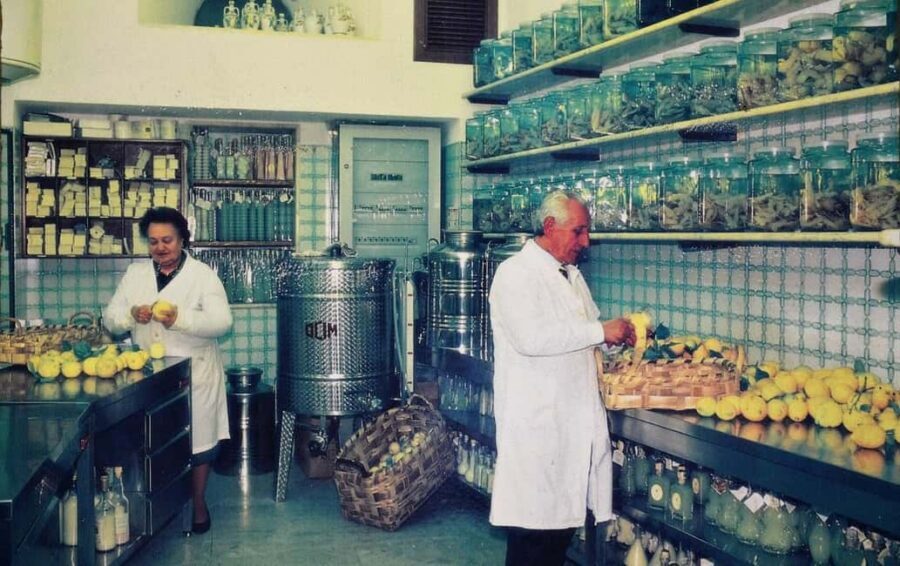
At $94 per person for around 80 minutes, this is not a budget stop. But it’s also not just a “tasting in a shop.” Your ticket covers:
- entry to the factory
- a guided tour
- practical experience
- limoncello tasting
- snacks
The value shows up in three places:
1) You get the instruction: production process, how to taste, and how to recognize quality.
2) You get comparison: multiple limoncello flavors/types, not just one sample.
3) You get the family angle: Vittario and family run it, so the craft feels connected to real tradition.
If you only want one sip and a souvenir, you can probably spend less. But if you want to understand what makes good Amalfi limoncello—and take that knowledge back to the real world—this price starts to feel fair.
Who this tour suits best (and who should skip)
This experience is a great fit if you:
- like learning by tasting and comparing
- want a short, focused activity in Amalfi’s center
- enjoy food-and-drink culture that’s tied to production, not just consumption
- prefer small groups (max 7) where you can ask questions
It’s not suitable for:
- children under 18
- pregnant women
- people with diabetes
- people with lactose intolerance
Also consider pace and setting. This is a structured session with tasting and snacks, so it’s best when you want an indoor-centered break from Amalfi walking and sun.
Should you book the Amalfi Limoncello Factory Visit?
I think you should book it if you’re the kind of person who hates vague tastings. You’ll like this because it trains your palate with temperature, quality cues, and multiple flavor samples, then backs it up with a practical recipe-focused lesson.
Skip it if you’re looking for a purely scenic activity, or if any of the listed unsuitability areas apply to your group. Also, because transfers aren’t included, plan to get yourself there on foot or by your own transport.
If you’re doing the Amalfi Coast for more than just photos, this one helps you understand the region’s lemon obsession from the inside out. And when you’re done, you’ll have something better than a souvenir: a real sense of what to buy and what to trust when you spot limoncello later.
FAQ
Where is the meeting point?
Meet your instructor at Piazza Duomo, right next to Bistro f.lli Pansa.
How long is the experience?
The tour lasts 80 minutes.
What language is the instructor?
The instructor provides the session in English.
How big is the group?
It’s a small group, limited to 7 participants.
What’s included in the ticket price?
Included are entry to the limoncello factory, a guided tour, practical experience, limoncello tasting, and snacks.
Is transfer included?
No. Transfer is not included.
Can I cancel for a refund?
Yes. You can cancel up to 24 hours in advance for a full refund.
Can I pay later?
Yes. It offers reserve now & pay later.
Who is the tour not suitable for?
It’s not suitable for pregnant women, children under 18, people with diabetes, and people with lactose intolerance.