REVIEW · AMALFI
Private Tour: Amalfi Valle delle Ferriere Nature Reserve Walking Tour
Book on Viator →Operated by Cartotrekking · Bookable on Viator
Stairs, waterfalls, and lemon groves await above Amalfi. This private 4-hour nature walk leads from Amalfi’s Duomo area into Valle delle Ferriere Natural Reserve, with a guide who connects the scenery to the region’s working past. It’s the kind of trail where you can feel the coast nearby while you stay in the quieter green world of the reserve.
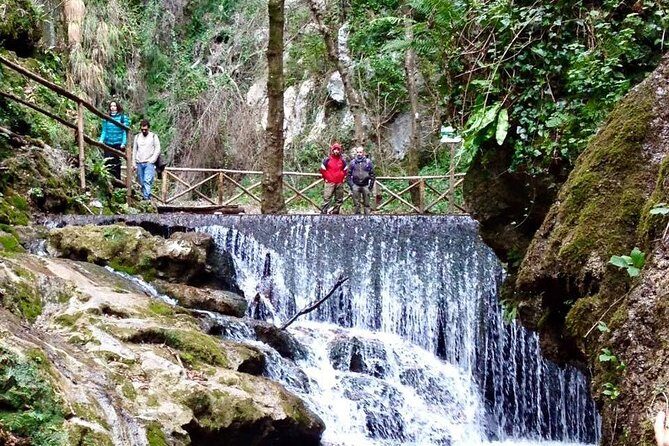
I love how the route mixes water features and old ruins in the same hike. You’ll cross streams, walk through forest shade, and see the abandoned paper-mill remnants along the Canneto river while the waterfalls do the spotlighting.
One thing to keep in mind: this is a real workout. Expect a steep climb and a lot of steps—one recent hike was about 8 km and included over 4,000 stairs total, so plan for sturdy shoes and pacing.
In This Review
- Key Things You’ll Notice on This Valle delle Ferriere Walk
- From Duomo Square to the Reserve: What the Start Feels Like
- Stop at Valle dei Mulini: Ruins and Nature as One Story
- Valle delle Ferriere Natural Reserve: Waterfalls, Lemon Gardens, and Paper-Mill Remains
- The Iron Valley Reserve angle
- What you’ll likely notice on the best days
- Pontone Medieval Village and the Mule-Track Descent Back to Amalfi
- The Workout Reality: Stairs, Steep Bits, and Shoe Advice
- In all weather conditions
- Guides Make the Difference: Why Names You Hear Matter
- Price and Value: What You Get for $178.84
- Who This Tour Suits Best (and Who Should Rethink It)
- Practical Tips to Get the Most Out of Valle delle Ferriere
- Should You Book This Amalfi Valle delle Ferriere Walking Tour?
- FAQ
- How long is the private Valle delle Ferriere walking tour?
- Where do we meet the guide?
- Is this tour private or shared?
- What language is the tour offered in?
- What does the price include?
- Are tickets handled digitally?
- How difficult is the hike?
- What should we wear?
- Is the tour suitable for children?
- What happens if the weather is poor?
Key Things You’ll Notice on This Valle delle Ferriere Walk
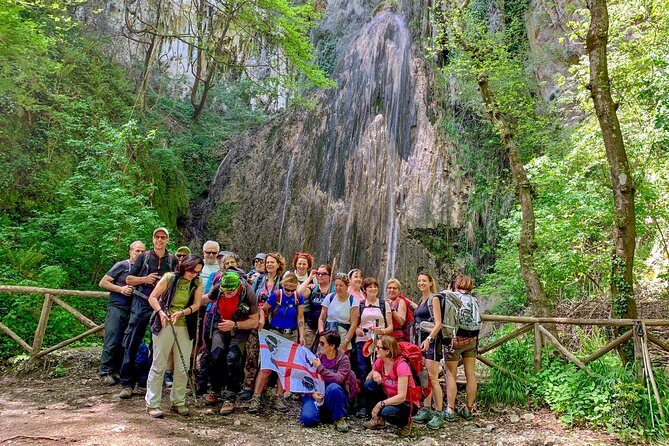
- Private guide, private pace on a 4-hour hike through reserve paths above Amalfi
- Waterfalls and river crossings along the Canneto river route
- Medieval Pontone plus a mule-track style descent back toward Amalfi
- Ruins that make sense: medieval paper-mill remains and the industrial story around them
- Lemon groves on the way with valley viewpoints before you finish in town
From Duomo Square to the Reserve: What the Start Feels Like
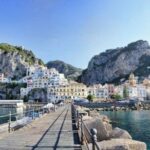
Your experience begins in central Amalfi at Duomo Square, meeting your guide near the Cathedral area. After a quick briefing, you head out toward Valle delle Ferriere Natural Reserve from this very walkable starting point. The good part of starting here is that you’re already in the rhythm of Amalfi, so the hike doesn’t feel like a separate day-trip project.
Once you’re moving, the terrain starts gently but clearly shifts into “going up.” You’ll climb a flight of stairs, cross the main stream, and then follow paths that gradually descend through the forest toward Pontone. Even when the hike is strenuous, the sense of direction stays easy: follow the river corridor, keep your footing, and you’ll eventually reach the medieval hamlet before turning back toward Amalfi.
If you’re the type who likes a plan with a bit of flexibility, this works well. A licensed in-person guide can pause for key views, point out the practical landmarks, and time the stops so you’re not scrambling for photos.
Other private Amalfi Coast tours we've reviewed
Stop at Valle dei Mulini: Ruins and Nature as One Story
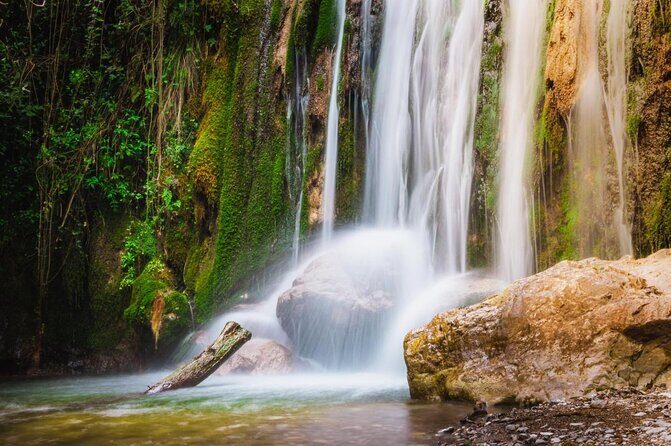
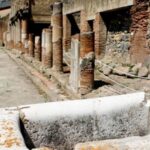
The first major stop is Valle dei Mulini, described as an open-air museum of ruins and nature tied to industrial archeology. You’ll have about 2 hours here, with admission included. In practice, this means you’re not just walking past pretty scenery—you’re walking through a place where the landscape shows evidence of how water once powered local industry.
You’ll see remnants linked to an older industrial chapter, with ruins that sit alongside the natural elements that made the site work. Valle dei Mulini is a great “orientation stop,” because it helps you understand why Valle delle Ferriere looks the way it does today: water, narrow valleys, and workable terrain created the conditions for mills and production. After you get that picture, the rest of the hike lands better.
One careful note: this is a walking tour, not a slow museum stroll. Plan for breaks, but don’t expect long flat boardwalk-style wandering. Wear shoes that can handle uneven ground and damp patches, especially if the day is humid.
Valle delle Ferriere Natural Reserve: Waterfalls, Lemon Gardens, and Paper-Mill Remains
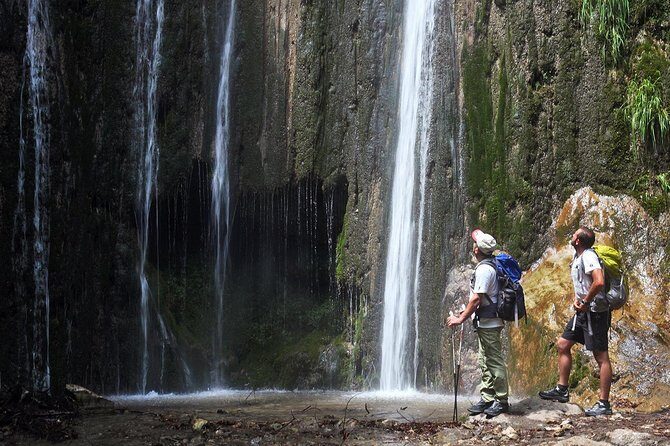
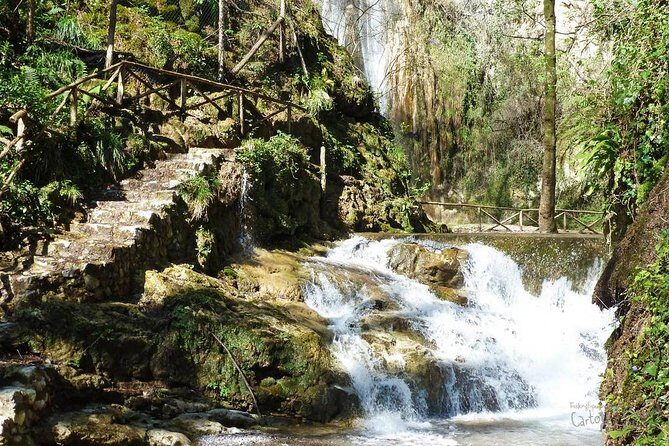
After Valle dei Mulini, you continue into Valle delle Ferriere Natural Reserve, following the Canneto river. This section is where the scenery delivers its strongest “wow” moments: lemon gardens, forest paths, and the ruins of medieval paper mills lining the river corridor.
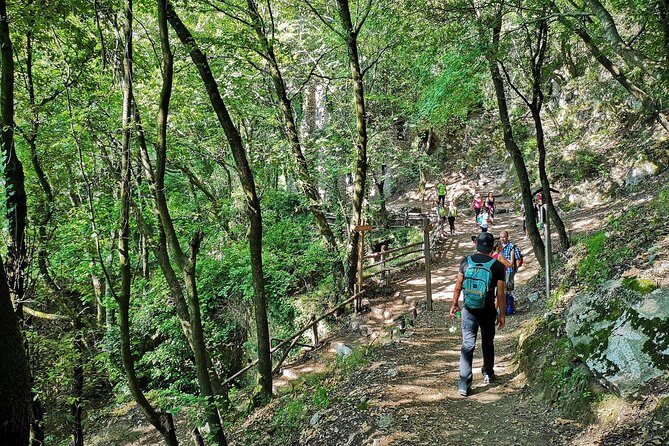
The route is built for variety. You’ll move along the river and then work your way through sections that feel both sheltered and open as the trail changes character. You’ll cross and walk near water multiple times, and the path through the greenery makes the climb feel less exposed than it would on a purely coastal sidewalk.
The Iron Valley Reserve angle
Along the way, the tour reaches the Integral Reserve of the Iron Valley area. The tour description notes the chance to see rare botanical species in what it calls a fairy-tale atmosphere surrounded by waterfalls. While nobody can guarantee every plant sighting, the bigger point for you is this: the hike is designed to feel like you’re in a living habitat, not just a pretty walkway.
What you’ll likely notice on the best days
When the waterfalls are flowing, the sound changes the whole hike. The river becomes more than a backdrop. You start to hear water before you see it, and the air feels cooler in shaded stretches. Add lemon groves back into the mix and it’s a surprisingly classic Amalfi combination: bright citrus edges against stone remnants and dark forest.
Stop-wise, this reserve portion includes the entrance, so you’re not juggling extra tickets mid-hike. That’s a small detail, but it matters when you’re climbing and descending and trying to stay in the moment.
Other Amalfi Coast hiking and walking tours

Pontone Medieval Village and the Mule-Track Descent Back to Amalfi
As you continue through the reserve, the trail arrives at Pontone, a medieval hamlet described as one of the oldest settlements of the Amalfi Coast. Getting to Pontone isn’t about ticking off a marker; it’s about arriving after the working landscape and waterfall corridor, so the village feels like the human chapter at the end of the natural one.
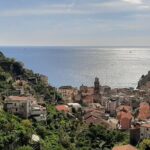
From Pontone, you can follow a mule track toward Amalfi. That’s the kind of detail that tells you the route is old-style and practical, not engineered for slow crowds. The mule-track approach tends to create a rhythm: you descend carefully, keep your eyes on the path, and then get valley views that make you understand where you are relative to Amalfi and the coast below.
You’ll also pass lemon groves and maquis shrubs during the return. The payoff is timing: you’ll get those wide views and citrus-grove textures on the way back, which helps the final stretch feel less like a pure grind and more like a guided ending.
The tour finishes back in Amalfi center, returning you to the area where you started your morning.
The Workout Reality: Stairs, Steep Bits, and Shoe Advice
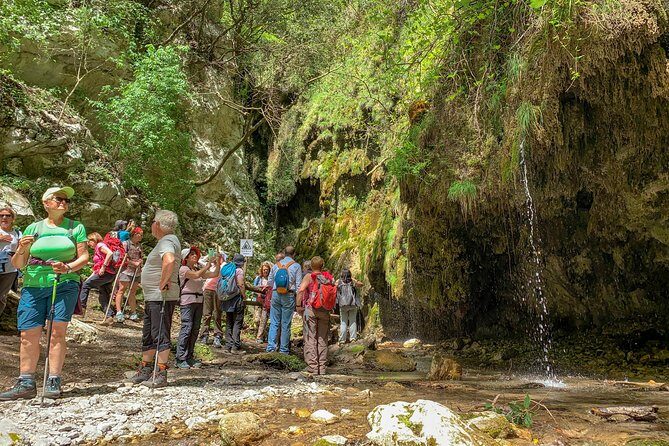
This is where I’d be honest with your planning. This hike includes lots of stairs and elevation change. One recent experience was described as an 8 km walk that took a little over 4 hours, with more than 4,000 stairs total across the hike. That may not match every day’s exact footpath, but the message is consistent: treat it like a serious walking tour.
If you only remember one piece of advice, make it this: wear supportive sneakers with solid grip. Flip-flops and sandals are a bad idea for a trail with stairs, uneven surfaces, and wet spots near streams. You’ll feel it in your ankles and calves if you show up underprepared.
Also, plan for pacing. A private tour helps here. With your own guide, you can slow down for steps or pause for photos without worrying about the whole group behind you.
In all weather conditions
The tour operates in all weather conditions, and you’re told to dress appropriately. That means you should be ready for damp trail sections even if the forecast looks fine. Bring the layers you need, and assume the reserve can feel cooler or wetter than central Amalfi.
Guides Make the Difference: Why Names You Hear Matter
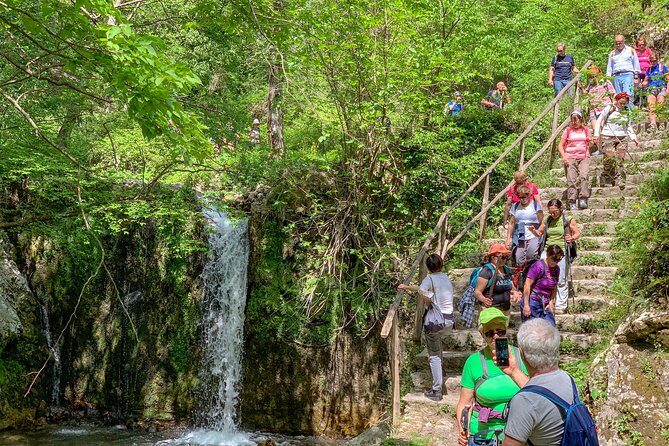
This tour is led by a licensed professional in-person guide, and the guide quality shows in the details. One guide name you may see is Vincenzo, who was described as collected at the Cathedral steps and then consistently pointing out where to stop for photos—ruins, waterfalls, and even “just on the path” moments.
Another guide mentioned is Michele, with a style focused on making the experience unique and different, and who also aimed to take guests to places not easily accessible. Alessio was described as offering interesting facts and tailoring the walk to needs. Enzo tailored the walk so it could start and end in Ravello for a couple staying there, cutting down on transport hassles. These examples matter because they show the real value of a private tour: the day can be shaped around your comfort level and your schedule.
Even if you end up with a different guide than these names, the pattern is clear. You’re not getting just directions. You’re getting context—how the paper mills relate to water power, why the reserve feels the way it does, and what to watch for on the trail.
Price and Value: What You Get for $178.84
At $178.84 per person, this isn’t a low-cost “just a walk” option. But for a private 4-hour hike with a licensed guide, reserve access included, and a route that mixes natural features with industrial ruins, the value is easier to justify.
Here’s what you’re paying for, practically:
- A private guided experience (only your group participates)
- Entrance in the Nature Reserve included
- A guide who can time stops around viewpoints, waterfalls, ruins, and the Pontone segment
- A route that avoids the typical scramble of DIY planning on steep terrain
Also, you get a mobile ticket. That reduces friction when it’s time to start, and it keeps you moving rather than hunting down paperwork.
If you’re traveling with a small group (or just want a private pace), this price becomes more reasonable because you’re not sharing your attention or timing with strangers. If you’re traveling solo and every euro matters, you might consider whether you truly want a private format versus a larger-group hike. But if you care about learning what you’re seeing and want flexibility for breaks and photos, this is a strong fit.
Who This Tour Suits Best (and Who Should Rethink It)
This is best for you if you:
- Want a nature walk that also teaches you about the area’s industrial and medieval elements
- Like waterfalls, forest shade, and scenic viewpoints in one route
- Are comfortable with a structured hike that includes lots of stairs and some steep segments
- Prefer a private guide who can tailor pacing and stops
It might not be the best choice if:
- You have mobility limitations or any issue with steep stairs and uneven surfaces
- You’re planning to wear soft footwear like sandals
- You’re hoping for a mostly flat, stroller-friendly walk (this is not that)
One small planning idea: if you’re staying in nearby towns like Ravello, ask your provider about starting and ending where it makes sense for your schedule. There’s at least one documented case of tailoring the walk to reduce transport friction.
Practical Tips to Get the Most Out of Valle delle Ferriere
A few decisions you make before you go can make the day feel smooth:
- Bring comfortable walking shoes with good traction. You’ll use them for stairs and wet patches.
- Dress for changing conditions. The tour says it operates in all weather conditions, and the reserve can feel different than the street-level view of Amalfi.
- Pace yourself for a steady climb and a steep return. Plan breaks without turning it into a long stop-and-start day.
- If photos matter, your guide can help you choose where to pause—especially near waterfalls and along ruined sections where framing is easier.
Finally, go in with the right expectation: this is a hike with a story. The paper-mill remnants and medieval hamlet are not just scenery. They help you understand why this valley mattered and why people built there.
Should You Book This Amalfi Valle delle Ferriere Walking Tour?
I’d book it if you want a guided, nature-centered walk that also connects to the human side of the landscape—water-powered industry, medieval Pontone, and waterfalls all along the same route. The private format, reserve entrance included, and consistently strong guide ratings make it a good choice for people who like learning while moving.
I’d skip or reconsider if stairs and steep walking are a dealbreaker for you. The best part of the hike is also the hardest part: altitude change and step counts can be intense. If you’re fit, steady, and ready for a proper workout, this is an excellent way to spend a half day above Amalfi.
FAQ
How long is the private Valle delle Ferriere walking tour?
It lasts about 4 hours.
Where do we meet the guide?
You meet in central Amalfi at Duomo Square. The meeting point address is Via Duca Mansone I, 47, 84011 Amalfi SA, Italy.
Is this tour private or shared?
It’s private. Only your group will participate.
What language is the tour offered in?
The tour is offered in English.
What does the price include?
The price includes a licensed local guide, entrance in the Nature Reserve, and the in-person guiding service. Food and drinks are not included unless specified.
Are tickets handled digitally?
Yes. You receive a mobile ticket.
How difficult is the hike?
Expect a steep route with lots of stairs. One described hike was about 8 km and included more than 4,000 stairs total, so sturdy walking shoes are important.
What should we wear?
Comfortable walking shoes are recommended, and you should dress appropriately for all weather conditions.
Is the tour suitable for children?
Children must be accompanied by an adult.
What happens if the weather is poor?
The experience requires good weather. If it’s canceled due to poor weather, you’ll be offered a different date or a full refund.