REVIEW · POSITANO
Pompeii Herculaneum small group tour from AmalfiCoast
Book on Viator →Operated by SUNLAND - SOVI TURISMO SRL · Bookable on Viator
Two Roman cities in one long day. This small-group tour strings together Pompeii and Herculaneum with live commentary and an air-conditioned ride so you can focus on ruins, not logistics.
I especially like the combo of headsets (you can actually follow the story) and the way the guide keeps Pompeii moving with big-ticket stops like the Forum, Thermal Baths, and the theatre. One thing to watch: the info you’ll see can be confusing about admission fees—so plan on paying if your booking confirmation doesn’t clearly cover entry.
In This Review
- Key things to know before you go
- Why this Pompeii + Herculaneum day trip works (and when it doesn’t)
- Getting from the Amalfi Coast to Pompeii: the drive you’ll actually see
- Pompeii highlights you’ll hit with your guide
- Bags and site rules at Pompeii
- Tickets: the confusing part you should clarify
- Lunch between Pompeii and Herculaneum: fast, timed, and not quite free
- Herculaneum in 90 minutes: why the smaller site still hits hard
- Comfort, crowd control, and hearing everything with headsets
- Price and value: is $138.47 worth it?
- Potential hiccups to know before you go
- How to protect your day
- Who this small-group Pompeii + Herculaneum tour is best for
- Should you book this Pompeii and Herculaneum tour?
- FAQ
- How long is the Pompeii and Herculaneum small-group tour?
- Where do pickup and drop-off happen?
- Are the admission tickets included?
- Is lunch included?
- What ID or documents do I need?
- Is there a limit on what I can bring into Pompeii?
Key things to know before you go
- Two sites, one day: Pompeii (about 3 hours) plus Herculaneum (about 1.5 hours)
- Headsets included: so your guide’s live narration stays clear throughout
- Air-conditioned transport: helpful on a hot, busy day on the coast
- Pompeii highlights on the route: Gladiator’s Gym, Thermal Baths, theatre, Forum, and more
- Small group size: maximum 25 people, typically making it easier to stay together
- Timing matters: expect a long day (8–10 hours) with walking at both sites
Why this Pompeii + Herculaneum day trip works (and when it doesn’t)
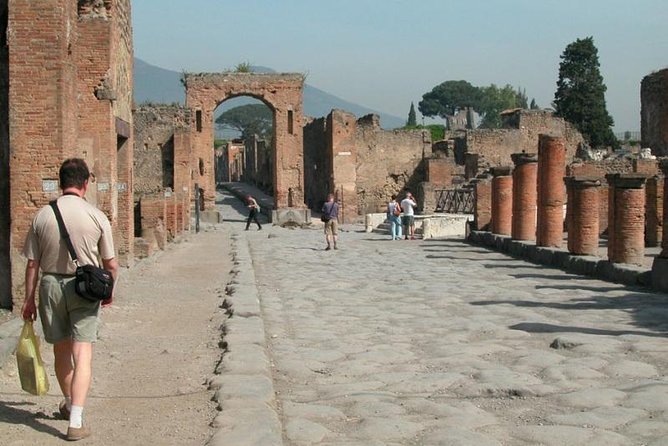
If your Amalfi Coast vacation has limited time, combining Pompeii and Herculaneum is a smart move. You’re effectively compressing two major archaeological experiences into one plan, with transport and a guide built in. The value is in the structure: you don’t have to figure out what to prioritize, how long to linger, or how to connect the two sites.
I also like the realistic pacing. Pompeii gets the bigger block of time (about 3 hours), and Herculaneum gets enough time (about 1.5 hours) to appreciate why it’s so famous for being better preserved. You’ll still do plenty of walking, but the day is designed to keep you from getting stuck in decision fatigue.
The trade-off is obvious: it’s a long day. Even with an air-conditioned vehicle and headset audio, you’re visiting two major places that both reward slow wandering. If you prefer to roam at your own tempo—or you want to read every panel—you might feel rushed.
If you're still narrowing it down, here are other tours in Positano we've reviewed.



Getting from the Amalfi Coast to Pompeii: the drive you’ll actually see
This tour runs from Positano/Praiano area up toward Pompeii, with a drive along the Amalfi Drive route. You’ll get those classic coast views and small villages while you’re traveling—great for orientation, because Pompeii is a different world from the coastline.
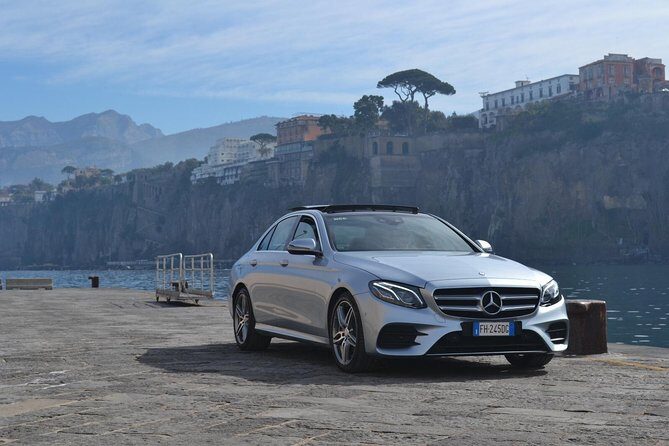
Transport is a real selling point here. The tour is described as using private, air-conditioned vehicles to beat the heat. That matters because your day is built around being outside. One of the most practical things I’d tell you: use the ride time to get settled and mentally switch from “vacation mode” to “archaeology mode.”
Pickup and drop-off can be the one part that feels messy. Some travelers reported that pickup timing and the sequence of stops were not communicated far in advance, with first a smaller vehicle and then a larger bus later. The tour also notes that drop-off shuttle to Positano or Praiano on the return is not included, and the tour ends in the Amalfi center. So if you’re staying out in Positano/Praiano, plan your onward transport accordingly.
Before you go, remember the rule about your documents: you must bring a passport/ID card (or a copy) on the day of the tour.
Pompeii highlights you’ll hit with your guide
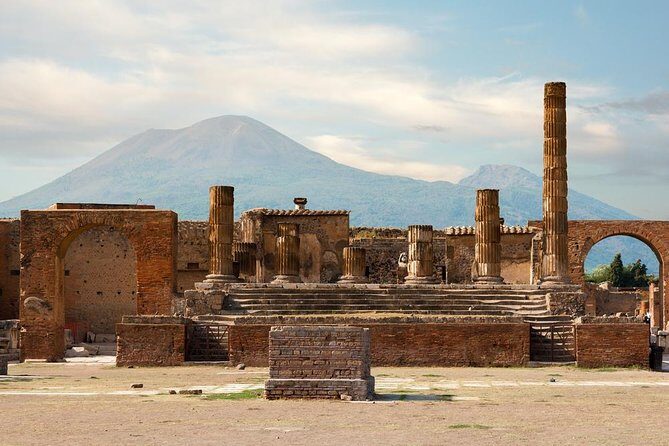
Pompeii is big, and doing it well takes planning. This tour is built around a guided route that focuses on the places most people want to see first—plus a few key extras that help you understand everyday life, not just famous stones.
You’ll spend about 3 hours at Pompeii, with a live local guide using narration plus in-ruins explanation. The stops listed include:
- Gladiator’s Gym
- Thermal Baths
- The big theatre
- The House of Menander (or the House of Sirico)
- The Forum
- Lupanare
- Fullonica
- Thermopolius
Why this is valuable: Pompeii isn’t just one sight. It’s a whole town laid out in layers. A good guide helps you connect what you’re seeing to how people lived—where they gathered, worked, bathed, performed, ate, and shopped.
Also, pay attention to the heat management. One shared experience described the guide stopping in shaded areas to give the group some respite from the sun. You’ll still sweat, but the difference between a guide who times breaks well and one who doesn’t can be huge.
Bags and site rules at Pompeii
There’s a maximum bag size mentioned for Pompeii: 30 x 30 x 15 cm. Bigger bags can be stored on the bus during the visit. That’s not glamorous, but it’s practical—travel light so you’re not stressed at the entrance.
Tickets: the confusing part you should clarify
Here’s the key planning note: the tour overview says entrance fees are included, but other details explicitly list admission tickets as not included. What that means for you: don’t assume entry is fully covered just because one section says it is. Check your booking confirmation. If it’s not clearly covered, you should be ready to pay admission on the day.
A separate theme from one experience: arriving at a crowded site and then needing to buy tickets separately can turn into waiting in public lines. The tour also mentions skip-the-line entry, so confirm exactly what you’ll use at the gates.






Lunch between Pompeii and Herculaneum: fast, timed, and not quite free
Between the two archaeological stops, you’ll get a lunch break. Lunch is listed as not included, but the tour does include a stop long enough for food.
One detailed experience mentioned a short break where the guide took the group to a restaurant called Tiberius. The meal was described as a concessionary rate of €18 per person, with choices plus dessert and a drink. That’s the kind of practical add-on that can save time.
Still, don’t treat lunch as a sure thing in every scenario. Since lunch isn’t included in the base price, you should expect to pay for it yourself and keep an eye on payment methods. One account noted the restaurant didn’t take credit cards, which could matter if you rely on card-only spending.
Practical takeaway: bring some cash just in case, and don’t expect a long, sit-down Italian lunch with two hours of dessert talk. This is a “re-fuel and move on” break.
Herculaneum in 90 minutes: why the smaller site still hits hard
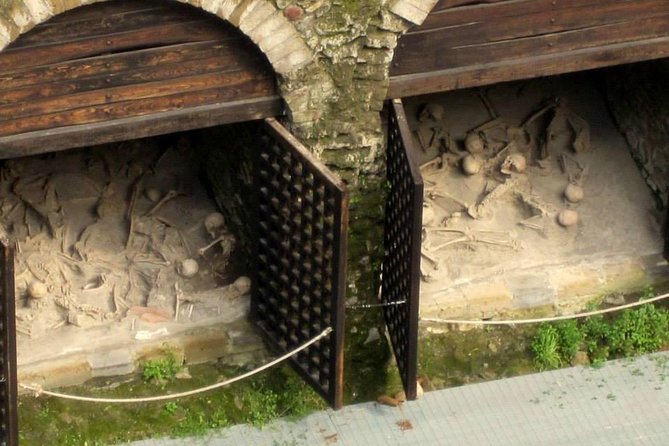
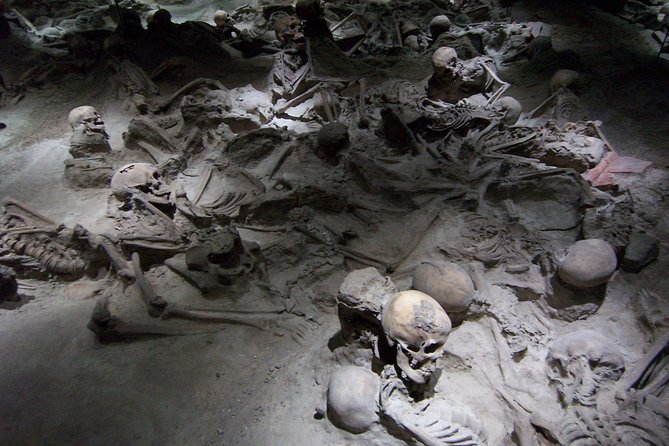
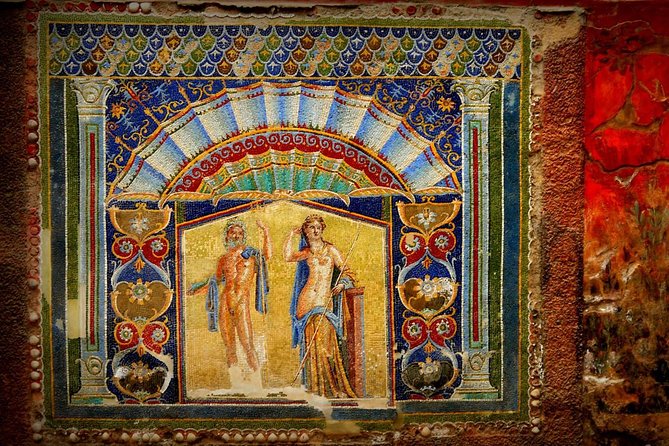
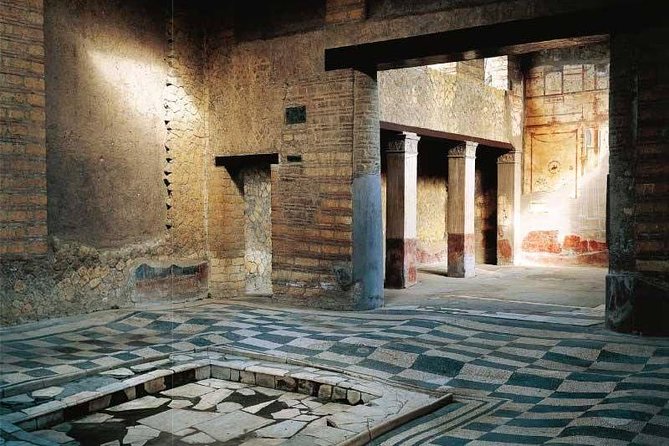
After Pompeii, the tour heads to Parco Acheologico Di Ercolano (Herculaneum) for about 1 hour 30 minutes. Compared with Pompeii, Herculaneum is often described as more manageable because it feels smaller—while still delivering the wow factor through its preservation.
This is where the guided storytelling can really pay off. With less time on the clock, you need a sense of where to look and what matters. The guide-led explanation helps you understand what you’re seeing without needing to decode everything yourself.
You should also expect time for exploration. One experience described free time at the end to explore the ruins more independently. That’s a good balance: you get the core interpretation first, then you can wander while the context is fresh.
Comfort, crowd control, and hearing everything with headsets
A standout feature is the headset system. When you’re walking among stone walls and echoing spaces, it’s easy for group tours to turn into “too loud, too far, too hard to hear.” Headsets solve that.
You also get a maximum of 25 travelers, which typically helps with moving as a group. In small-group archaeology days, the difference between 15 and 35 people can be the difference between feeling guided and feeling herded.
And yes—bring water. Even if the tour has timed stops and the guide watches the heat, Pompeii and Herculaneum are outside sites. One experience explicitly warned that walking and heat can be very tiring, and it recommended taking plenty of water.
Finally, remember this tour requires moderate physical fitness. If your mobility is limited, you might still manage it, but you’ll likely feel the day’s walking load.
Price and value: is $138.47 worth it?
At $138.47 per person, you’re paying for more than transport. You’re paying for:
- a guided, live narrative at both sites
- headsets so the guidance is usable
- air-conditioned ride between locations
- skip-the-line entry tickets (but confirm what’s actually included)
- organized pickup/drop-off (within the Amalfi area)
Lunch is not included, and the return shuttle to Positano/Praiano is not included, so those are the “watch this” budget items. If you end up spending extra time (or money) because tickets aren’t fully handled in advance, value can slip.
That said, when the logistics click, this is a cost-effective way to hit both sites in one day. Private transportation plus two guided tickets plus audio usually costs more if you build it yourself.
My honest “value check” for you: if you want structure, you’re okay with a long day, and you’d rather pay for organization than spend your vacation solving entry and routes, this price can make sense. If you’re picky about ticket inclusion and payment methods, verify details before you go.
Potential hiccups to know before you go
No tour is perfect, and this one has a few warning signs worth taking seriously:
- Pickup communication can vary. One experience described last-minute clarity about pickup time and multiple vehicle transfers, depending on where you’re coming from.
- Ticket inclusion is unclear across sections. Even if the tour promises skip-the-line entry, the admission fee coverage needs confirmation.
- Guide experience can differ day to day. Most feedback is very positive (for example, multiple people praised guides named Lucia and Alessandra), but there is also a negative account where the guide’s people skills and pacing were frustrating.
- Heat and walking are real. Even in cooler seasons, Pompeii demands time on your feet. If you’re not comfortable walking in crowds and sun, consider doing just one site on a different day.
- Lunch logistics can include payment surprises. One account noted a restaurant that did not take credit cards, after an earlier ticket-related stress moment.
How to protect your day
- Pack for sun and walking (and bring water).
- Keep a small bag within the Pompeii size limit.
- Confirm ticket details in your booking message.
- Bring some cash for lunch just in case.
- If you’re staying in Positano/Praiano, plan your own return from Amalfi center since the shuttle isn’t included.
Who this small-group Pompeii + Herculaneum tour is best for
This tour fits best if you:
- want to see both sites without stitching together trains and car rentals
- like having a guide point out the key places (Forum, theatre, baths, and more in Pompeii)
- appreciate headset audio and a planned route
- are traveling with limited time on the Amalfi Coast and don’t want to sacrifice one site
It might be less ideal if you:
- prefer fully independent pacing and long, quiet exploration
- rely on card-only payments and don’t want any surprises at lunch
- struggle with walking for several hours in heat and uneven stone
Should you book this Pompeii and Herculaneum tour?
I’d book it if you want a structured day that gets you into the right spots quickly, with air-conditioned comfort and live guidance you can hear through headsets. The combination of Pompeii’s big highlights plus Herculaneum’s better-preserved feel makes the day work—especially when a guide handles the flow well (and names like Lucia and Alessandra show up in the positive experiences).
I’d hesitate only if you’re the kind of person who needs everything spelled out 100% clearly in the price. Because the information on admission fees can look inconsistent, your best move is to confirm what you’ll pay on the day versus what’s covered.
If you can verify ticket inclusion and you’re ready for a long, warm, walking-heavy day, this is a strong way to experience two of Italy’s most unforgettable ancient cities in one shot.
FAQ
How long is the Pompeii and Herculaneum small-group tour?
The tour is listed as about 8 to 10 hours total.
Where do pickup and drop-off happen?
Pickup is described as a one-way pick up from Praiano/Positano if selected. On the return, a shuttle to Positano or Praiano is not included, and the tour ends in the Amalfi center.
Are the admission tickets included?
The information provided is inconsistent: one part says entrance fees are included, but another states admission tickets are not included. Check your booking confirmation, and plan on paying admission on the day if it’s not covered.
Is lunch included?
No. Lunch is not included.
What ID or documents do I need?
It says it’s mandatory to take your passport/ID card (or a copy) on the day of the tour.
Is there a limit on what I can bring into Pompeii?
Yes. For Pompeii ruins, the max bag size is 30 x 30 x 15 cm. Larger bags can be stored on the bus during the visit.