REVIEW · POSITANO
Positano: Old Town Walking Tour with Archaeologist Guide
Book on GetYourGuide →Operated by Tour Guide Naples SRL · Bookable on GetYourGuide
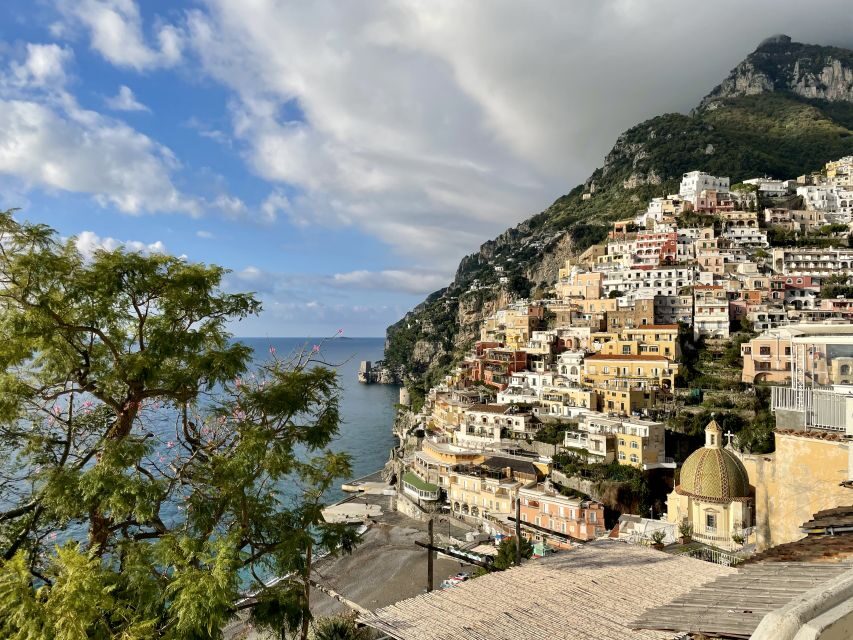
Positano’s steps hide Roman surprises. This 2-hour old-town walk is built around an archaeologist-guided visit to the underground Roman Villa with frescoes, and a route that gives you panoramic staircases plus beach views as you move through the village.
I like that you get real local perspective on how the area fits together, from the medieval streets to the church area and down toward the shore. The one drawback is physical: expect significant walking and stairs, including going down to the beach and then heading back up.
In This Review
- Key things that make this tour worth your time
- Where the tour starts: Hotel Pasitea and getting your bearings
- Old Town lanes, hidden staircases, and a 13th-century fort
- Fornillo Beach: your pause in the local lane
- Downtown Positano shopping streets: ceramics, sandals, and local artists
- Spiaggia Maggiore and the central beach views
- Santa Maria Assunta and the Roman Villa area: where the eras overlap
- The guide makes the difference: Lucianna, Emilia, and the small-group feel
- How hard is it, really? Stairs, hills, and rain-or-shine walking
- Price and value: what you’re paying for at $112.15
- Who should book, and who should skip this one
- Should you book this Positano Old Town walking tour?
- FAQ
- How long is the Positano Old Town walking tour?
- Where do I meet the guide, and where does the tour end?
- What is included in the ticket price?
- What languages are available for the live guide?
- Is the tour suitable for wheelchair users or strollers?
- Does the tour run in bad weather, and is it strenuous?
Key things that make this tour worth your time
- Archaeologist-guided underground Roman Villa you can actually enter, with frescoes you’ll want to slow down for
- A small group (max 10), which makes it easier to hear the guide and keep the pace comfortable
- Hidden paths above Positano’s bustle, so you’re not stuck in the thickest tourist flow
- Two beach moods: the more local feel at Fornillo plus time near the main beach area
- Craft-shop streets for ceramic makers, sandal makers, and shoemakers
Where the tour starts: Hotel Pasitea and getting your bearings
You meet your guide in front of the main entrance of Art Hotel / Hotel Pasitea. That’s a smart starting choice in Positano because it gets you into motion quickly, before crowds fully converge on the most obvious viewpoints and lanes.
The vibe here is practical. Instead of staying glued to the busiest walkways, the route is designed to help you leave the heaviest tourist traffic behind and find narrower lanes and stairways. That matters because Positano can feel like a photo sprint if you don’t have a plan. This tour gives you one, and it’s designed around movement rather than standing still.
Other Positano tours we've reviewed



Old Town lanes, hidden staircases, and a 13th-century fort
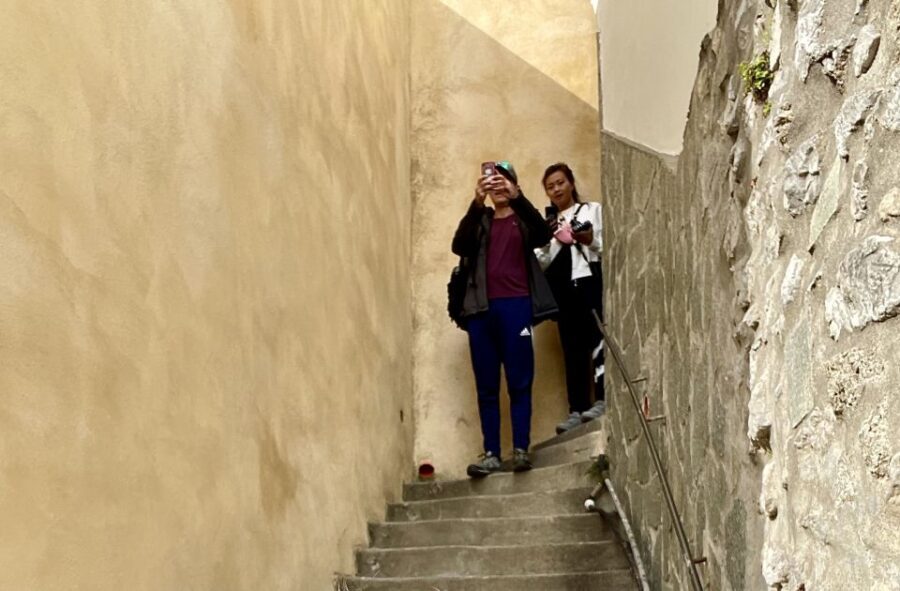
Once you’re up and walking, the tour leans into what Positano does best: tight lanes, sudden viewpoints, and staircases that connect one pocket of the village to the next. This is where you feel the town’s rhythm. You’ll move downhill along narrow paths and then work back up again on panoramic staircases—great for views, but also great training for your calves.
A highlight along the way is passing by a 13th-century fort from the medieval era. You’re not just looking at stone and guessing. The guide frames what you’re seeing in context as you keep walking, so the fort feels like a real part of how Positano evolved rather than a random landmark photo-op.
Also, I like the way the tour breaks up the day. You don’t just go from point A to point B. You get small pauses for views, plus time to understand what each stretch of street is telling you.
Fornillo Beach: your pause in the local lane
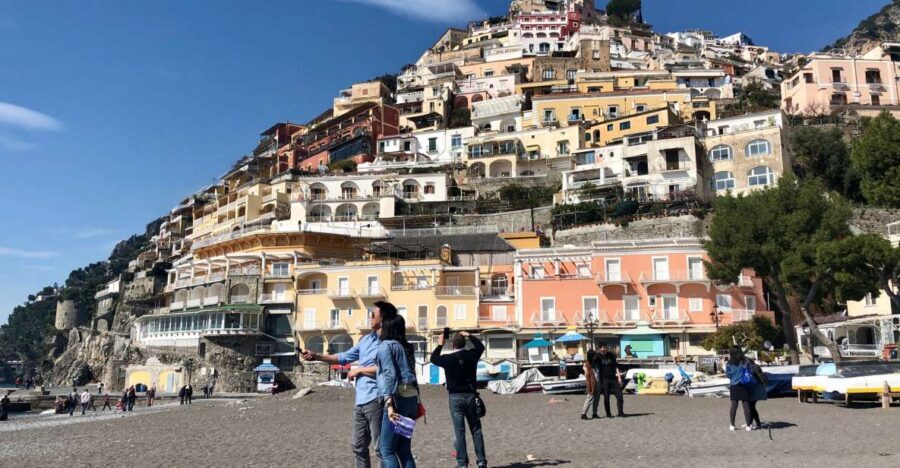
At some point on the downhill stretches, you reach Fornillo Beach, described as a spot locals use for sunbathing. This is one of the best “switch gears” moments of the tour. You go from steep lanes and viewpoints into a calmer beach pocket, where the atmosphere feels less performative and more relaxed.
Even if you’re not planning to spend hours on the sand, Fornillo gives you a valuable contrast. Positano’s main beach areas can feel crowded and “everyone is taking the same picture.” Fornillo changes the mood, which makes the rest of the walk more enjoyable.
Practical note: because the route involves stairs, you’ll feel it in your legs at Fornillo. Plan to take your time while moving down and back up, and don’t rush for the sake of matching anyone else’s pace.
Downtown Positano shopping streets: ceramics, sandals, and local artists
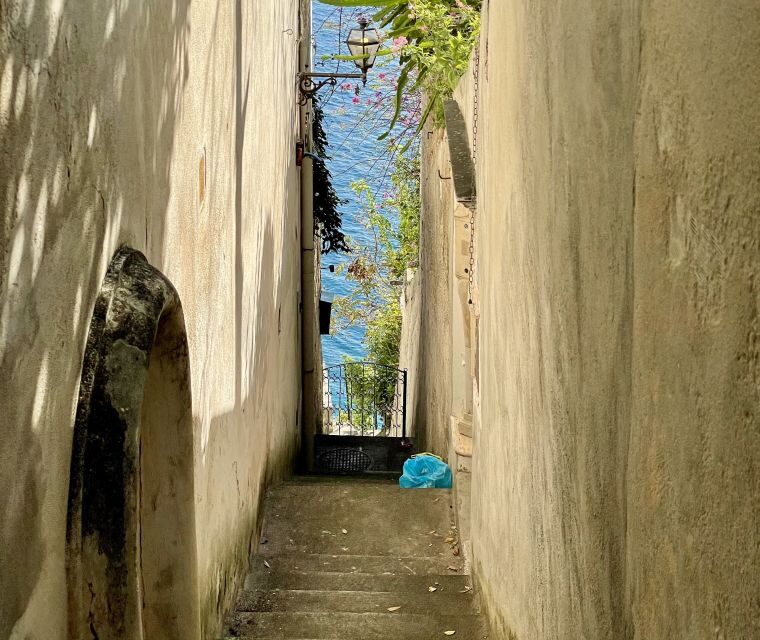
After the beach break, the walk shifts toward Downtown Positano, where you’ll find fine shops and places to eat. If you like souvenirs with actual craft behind them, this is the part to pay attention to. The route moves uphill to a street lined with ceramic shops, sandal makers, shoemakers, and galleries featuring local artists.
This section works well because it’s not shopping-the-way-you-hope-to-impulse-buy. It’s more like a curated stroll, where your guide helps you notice the difference between plain tourist stock and items shaped by local trades. Even if you don’t buy anything, it gives you a better read on the town.
And yes, it’s another uphill stretch. Positano’s famous stairs come in waves on this tour—viewpoints down here, climbing back there. If you’re coming in with your feet fresh, it feels fun. If you’ve already walked around all morning, it can feel like a second hike.
Spiaggia Maggiore and the central beach views
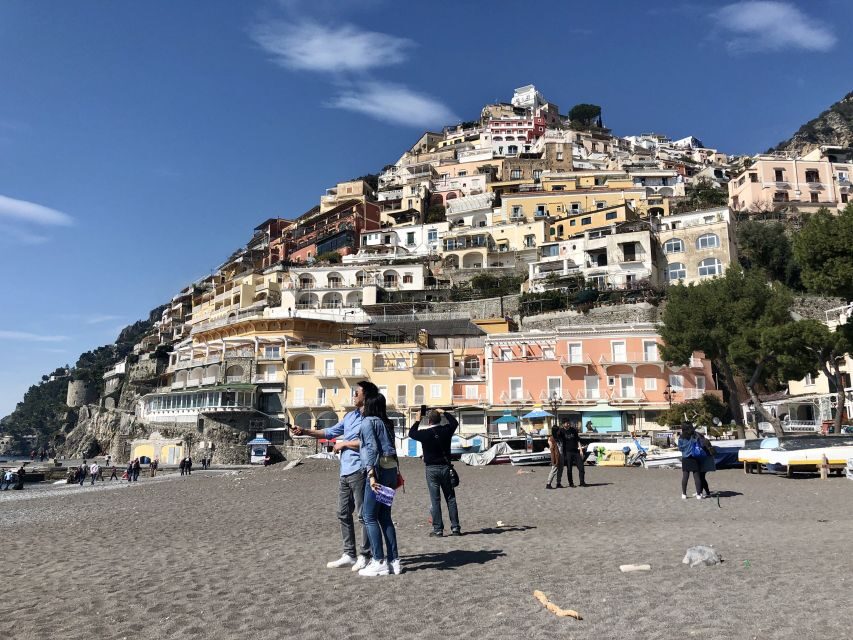
The tour includes time near the main beach area—Spiaggia Maggiore—and also builds in moments to enjoy spectacular views from the central beach area. This is your postcard payoff, the part where you look across the water and suddenly everything you walked through makes sense.
If you’re the type who likes photos, you’ll get plenty of spots where the angle naturally works. If you prefer just taking it in, you’ll still find quiet seconds if you step aside from the flow and let the view do its job.
One thing to keep in mind: because the walk is continuous and stair-based, you’ll want to keep your phone handy but also save your focus. You’ll see plenty—just don’t trip over your own good intentions.
Other Amalfi Coast hiking and walking tours






Santa Maria Assunta and the Roman Villa area: where the eras overlap
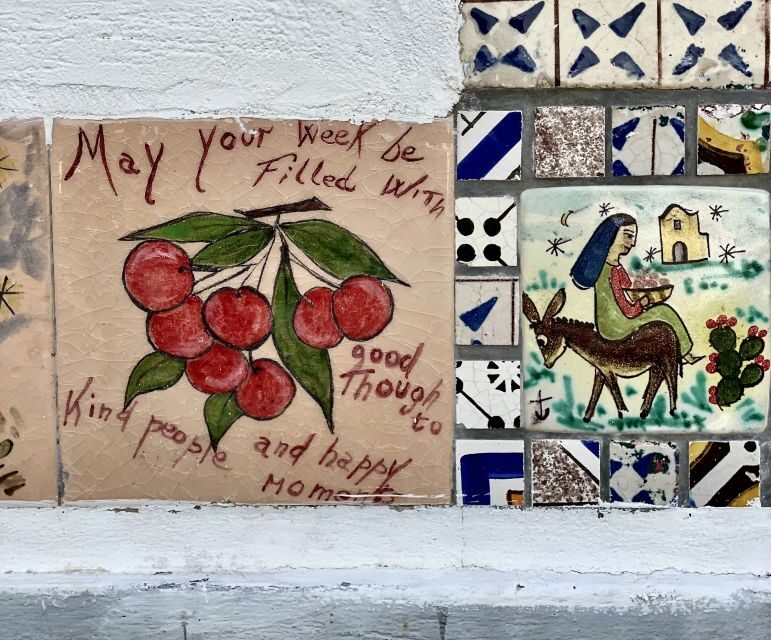
Near the end of the walk, you approach the Church of Santa Maria Assunta, originally connected to Positano’s 10th-century Benedictine monastery (an abbey). Even though you’re not doing a long church visit, the guide uses your approach to point out how layers of time overlap here.
Then comes the big payoff: the underground Roman Villa. You’ll visit it with an archaeological guide, and you’ll have the entrance ticket included. This part is special because it changes how you experience Positano. Instead of staying at street level, you get to go below it—into a newly open-to-the-public Roman space with fresco paintings.
That shift is why this tour feels different from a standard sightseeing walk. You’re not only learning what the town looks like now. You’re being shown evidence of what was here before, and you’re hearing it explained at the level of the site itself.
The guide makes the difference: Lucianna, Emilia, and the small-group feel
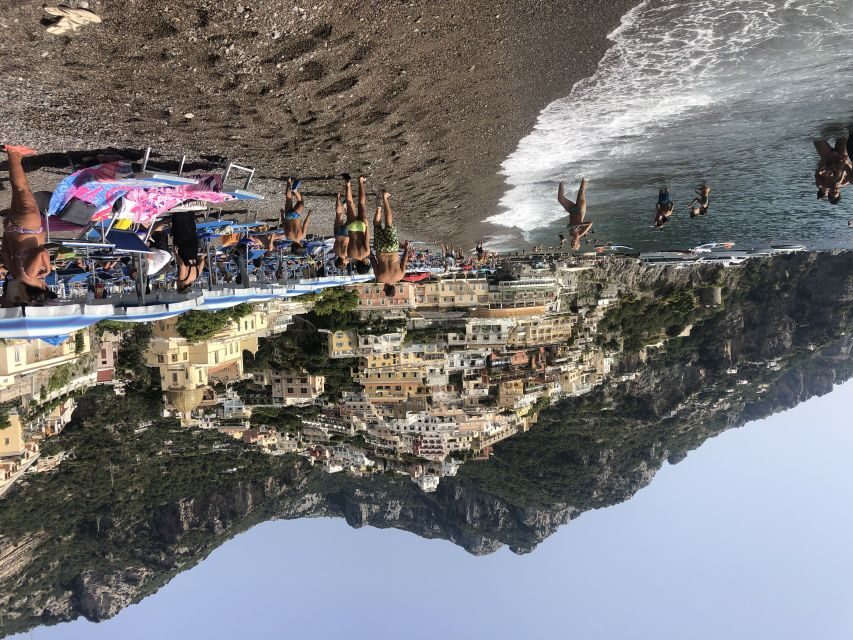
This tour lives or dies by the quality of the guide, and the names that come up—Lucianna and Emilia—are consistently described with real enthusiasm and strong command of Positano details. That matters because Positano isn’t a place where you can wander for a few hours and accidentally connect medieval street life to Roman discoveries.
In a small group (limited to 10 participants), the guide’s voice carries, and you’re more likely to hear the explanation clearly instead of fighting over attention with the loudest person in the group. I also like that the tour is available in multiple languages—English, Italian, German, and Spanish—so you can match your comfort level.
If you care about getting good photos, this tour’s structure helps. You’re guided to the right spots and given reasons to stop, not just told to keep walking for the sake of keeping the schedule.
How hard is it, really? Stairs, hills, and rain-or-shine walking
Let’s be honest: this is a walking tour with stairs. The description is clear that the route involves a significant amount of walking, and the way down to the beach involves walking down stairs. Then you do the whole thing again in reverse, heading back up toward the upper streets.
So I recommend you treat this as a “move day,” not a casual stroll. Wear comfortable, grippy shoes. If you know stairs bother you, this probably won’t feel good, even if the views are worth it. There’s also a strict no-stroller rule, and it’s not suitable for wheelchair users.
Weather-wise, the tour runs rain or shine. That means you should plan for wet steps and slick surfaces if storms roll through. A light rain layer can help, and taking your time on the stairs becomes the whole strategy.
Price and value: what you’re paying for at $112.15
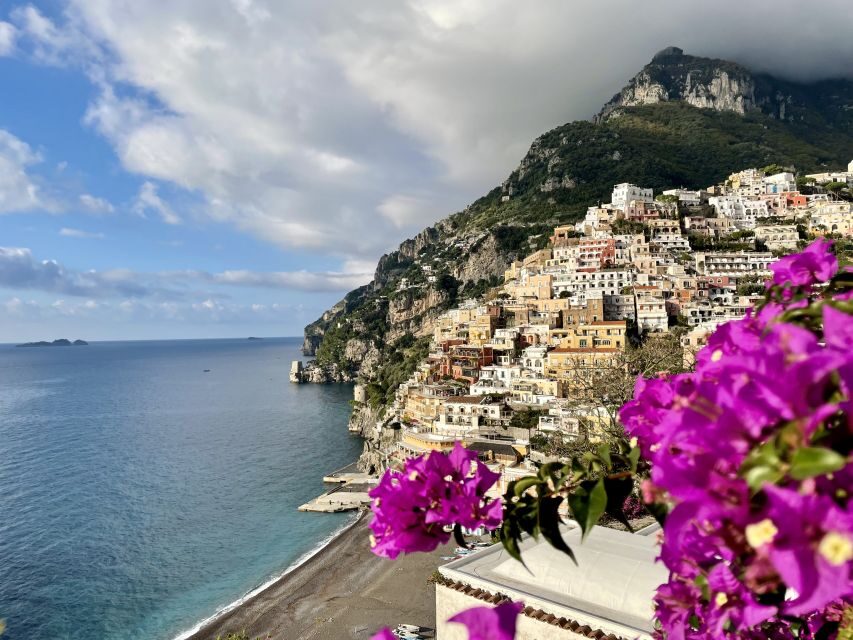
At $112.15 per person for a 2-hour tour, the price isn’t “just walking.” You’re paying for a local licensed guide, an archaeological guide, and the Roman villa entrance ticket. That’s the key to the value calculation.
If you were to do this on your own, you’d likely spend time and effort figuring out how to access the underground site and who can explain what you’re seeing. Here, your guide handles the sequence and the story, and the archaeologist component makes the Roman villa visit feel meaningful rather than like a room you quickly walk through.
The small group size (10 max) also supports value. It’s easier to hear the guide, easier to move smoothly through narrow lanes, and easier to ask questions when you’re not packed into a crowd. For Positano, that kind of pacing can make a difference between a pleasant experience and one where you’re constantly looking for where everyone went.
One more practical value point: the tour ends back at the meeting point, which is helpful in a town where getting “exactly back” can be tricky without a plan.
Who should book, and who should skip this one
You’ll probably love this tour if:
- you want more than viewpoints and want the underground Roman Villa explained by an archaeology professional
- you like walking when it comes with structure—be ready for stairs, but enjoy the route
- you want craft-street time in Downtown Positano, not just museum time
You should think twice if:
- stairs and steep paths are a problem for you
- you need wheelchair accessibility or you rely on strollers (both aren’t suitable here)
- you want a low-effort, sit-down-only experience
Also, the tour isn’t recommended for people over 331 lbs (150 kg) or over 95 years. That’s an important detail, since the walking and stairs are part of the core design.
Should you book this Positano Old Town walking tour?
Yes, if you want Positano with a plan and a payoff beyond photos. The standout reason to book is the combo: a guided walk through old lanes and beach viewpoints plus an archaeologist-led underground Roman Villa visit with frescoes. That pairing is hard to replicate independently without spending a lot of time figuring things out.
If you’re confident with stairs and you like learning as you walk, this tour hits the right balance of scenery, local streets, and serious site access. If you’re more worried about comfort than history, or if the stairs feel like a deal-breaker, look for a flatter option.
FAQ
How long is the Positano Old Town walking tour?
The tour lasts 2 hours.
Where do I meet the guide, and where does the tour end?
Meet your guide in front of the main entrance of Art Hotel / Hotel Pasitea. The activity ends back at the meeting point.
What is included in the ticket price?
The tour includes a local licensed guide, a Roman villa entrance ticket, and an archaeological guide.
What languages are available for the live guide?
The tour is offered with a live guide in English, Italian, German, and Spanish.
Is the tour suitable for wheelchair users or strollers?
No. It is not suitable for wheelchair users, and baby strollers are not allowed.
Does the tour run in bad weather, and is it strenuous?
The tour takes place rain or shine. It involves a significant amount of walking, and the route includes stairs down to the beach.