
REVIEW · POSITANO
Guided tour of the history and tradition of the Sorrento lemon
Book on Viator →Operated by Vivaio Ruoppo - Lemon Tour Sorrento · Bookable on Viator
A lemon grove tour can sound like a quick stop, but this one tells a full story. You’ll trace how Sorrento’s lemons became part of local life, then you’ll taste the results with a terrace view over the sea. I especially like the walk through named citrus varieties and the hands-on feel of how these trees are cared for. One thing to weigh: it’s outdoors and depends on good weather, so plan around that.
You’ll also get a tidy, low-stress format: about 1 hour 15 minutes, with a small maximum group size of 20. I like that the ending is practical and delicious rather than just a sales pitch. If you’re hoping for a long, multi-stop day trip, this is shorter and focused.
The tour starts at Viale dei Pini 31 in Sant’Agnello and finishes back there. If you prefer guided structure without hassle, it’s an easy add-on while you’re based on the Amalfi Coast.
In This Review
- Key Things You’ll Like
- Why the Sorrento Lemon Tour Feels More Meaningful Than a Quick Tasting
- Viale dei Pini Meet-Up: How to Plan Your Arrival in Sant’Agnello
- Pizzo Garden and the Historic 19th-Century Estate Moment
- The Grove Walk: Ovale di Sorrento, Sfusato di Amalfi, and Cedar
- Traditional Cultivation Technique: Where the Flavor Comes From
- The Terrace Tasting Over the Sea: Bread, Marmalade, Lemonade, and Limoncello
- Old Grandma’s Limoncello Recipe: Taking the Experience Home
- Price and Value: Is $59.29 a Good Deal?
- Timing, Group Size, and the Outdoor Weather Reality
- Who Should Book This Lemon Tour (and Who Should Skip It)
- Should You Book This Sorrento Lemon Tour?
- FAQ
- How long is the Sorrento lemon tour?
- Where does the tour start in Sant’Agnello?
- What’s included in the terrace tasting?
- How big are the groups?
- What happens if the weather is bad?
- Are service animals allowed, and is it suitable for most travelers?
Key Things You’ll Like

- Pizzo garden setting: a historic 19th-century estate before you even reach the citrus rows
- Named lemon varieties: Ovale di Sorrento, Sfusato di Amalfi, and cedar
- Sea-view tasting at the end: lemonade, homemade limoncello, and small bites on a terrace
- Traditional cultivation technique explained: you learn what makes the flavor and how the trees are grown
- Small group feel (up to 20): easier questions and a more personal pace
- Old grandma’s limoncello recipe: you leave with something you can actually use later
Why the Sorrento Lemon Tour Feels More Meaningful Than a Quick Tasting

Lemons on the Amalfi Coast can turn into a souvenir. This tour resists that trap. It gives you the backstory first, then lets you taste what that story becomes in real life.
I like that you don’t just hear facts. You walk a real grove where the trees and their varieties are the lesson. And you end on a sea-view terrace where the tasting feels like a reward, not a gimmick.
The possible drawback is simple: you’re outdoors. If the weather turns, the activity can be rescheduled or refunded. So if you’re booking during an iffy week, keep an eye on forecast patterns along the coast.
If you're still narrowing it down, here are other tours in Positano we've reviewed.



Viale dei Pini Meet-Up: How to Plan Your Arrival in Sant’Agnello
The tour meeting point is Viale dei Pini, 31, 80065 Sant’Agnello NA, Italy, and it ends back at the same spot. That round-trip convenience matters. It keeps you from juggling taxis or awkward “see you later” logistics after the tasting.
It also helps that the activity is near public transportation, so you’re not locked into one transport option. If you’re staying around Positano, this is the kind of add-on you can often manage without a huge re-routing day.
You’ll have a mobile ticket, so you’re not hunting for printed paperwork while you’re trying to get settled. In a place where people move fast and signage can be inconsistent, that small detail smooths the start.
Pizzo Garden and the Historic 19th-Century Estate Moment
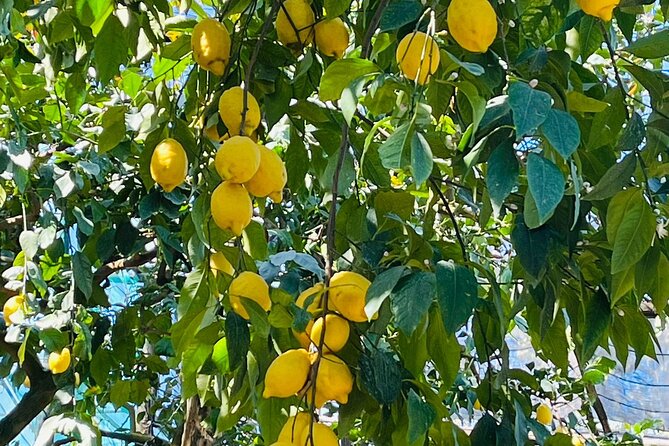
The experience begins with a guided tour of the Pizzo garden, described as a historic estate dating back to the 19th century. Even before the lemon trees show up, this first stop sets the tone: this isn’t just “citrus tourism,” it’s a place with continuity.
I like how this part works as a warm-up. You get context early, so the later walk makes more sense. Instead of treating lemons like a generic product, you start seeing them as part of a long local system—land, people, and seasonal work.
One practical consideration: you’ll want comfortable shoes for a walking tour through garden paths and groves. The time is short, so any foot discomfort can feel exaggerated.
The Grove Walk: Ovale di Sorrento, Sfusato di Amalfi, and Cedar
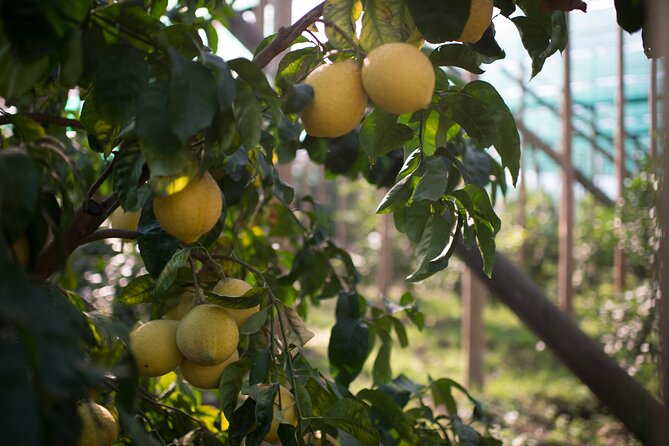
Once you’re in the grove, the tour shifts into what you came for: a walk among different varieties of centuries-old lemon trees. You’ll hear about Ovale di Sorrento, Sfusato di Amalfi, and cedar.
This is where the experience stops being generic. Variety names sound like trivia—until you connect them to cultivation choices and the end taste you get on the terrace. The tour is built to connect those dots.
If you’re a food person, I think you’ll enjoy the way the guide ties the plants to how they’re managed. And if you’re not a plant person, don’t worry. The explanations are meant to help you understand why these lemons have their reputation.
A note worth considering: one review mentioned actually harvesting a lemon. That suggests the experience may occasionally include a hands-on moment, but it won’t necessarily be identical every day. Either way, you’ll leave with a clearer idea of what it takes to care for a productive grove.
Traditional Cultivation Technique: Where the Flavor Comes From
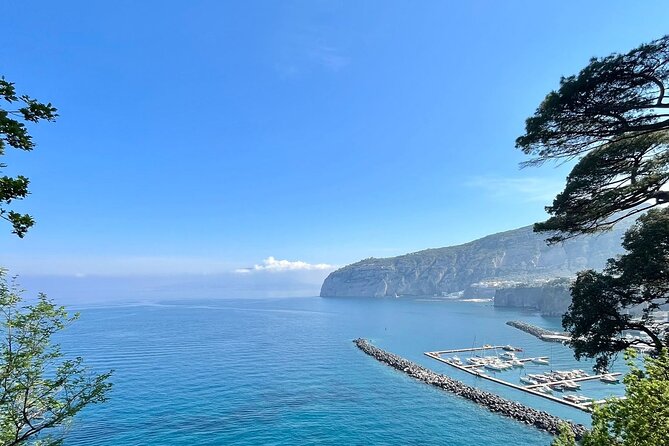
The walk includes an explanation of the traditional cultivation technique used for the typical lemon. This is the most “learning” portion of the tour, and it’s also the part that makes the tasting meaningful.
I like this approach because it respects your time. You don’t get a long lecture. You get enough context to notice the difference between what people sell and what the grove actually produces.
What you should watch for while you’re listening:
- How the trees are grown and maintained (not just that they exist)
- Why the varieties are planted and treated differently
- How the local method connects to juice, fragrance, and the final drinks
This is also where guides earn their keep. One guide named Pia is praised for giving detailed, genuine explanations about where Sorrento lemons come from and why cultivation matters. Even if your guide isn’t the same person, the takeaway is that the tour aims to be specific, not vague.






The Terrace Tasting Over the Sea: Bread, Marmalade, Lemonade, and Limoncello
The tour ends with a tasting on a terrace overlooking the sea. That sea-view piece matters more than you might think. It changes the tasting from something you eat to something you experience.
The tasting includes:
- Bread and marmalade made with oranges and lemons from their production
- Fresh lemonade
- Homemade limoncello
This lineup is smart. Bread and marmalade anchor the flavors, then the lemonade hits freshness, and the limoncello closes with that sweet-alcohol punch people come to the coast for. And because everything is tied to their own production, it feels consistent instead of like you’re sampling random brands.
Another practical plus: one review specifically mentioned gluten-free bread being provided when someone had an allergy. That’s the kind of detail that can make a tasting experience actually work for you, not just sound good on paper. If you have dietary needs, it’s worth flagging them in advance so the team can handle it.
Old Grandma’s Limoncello Recipe: Taking the Experience Home
At the end of the tour, you’ll be given the Old grandma’s limoncello recipe. This is a small extra, but it’s the kind of take-home value that keeps the tour from fading after a day.
I like recipe handouts because they give you a reason to revisit what you learned. Even if you only use it as a starting point, it turns the grove visit into a story you can cook into your own kitchen.
If you’re thinking ahead: this also makes a nice souvenir for people who don’t care about t-shirts or magnets. It’s useful, not just decorative.
Price and Value: Is $59.29 a Good Deal?
The price is $59.29 per person for a guided tour of about 1 hour 15 minutes. On paper, that can feel like “one hour of walking and a drink.” In practice, the value comes from what’s included and how the structure is designed.
You’re getting:
- Guided time in a real grove setting
- Explanations of cultivation technique and lemon origin
- A named-variety walk (Ovale di Sorrento, Sfusato di Amalfi, cedar)
- A full terrace tasting with bread, marmalade, lemonade, and homemade limoncello
- A provided limoncello recipe to take home
I’d call it fair value if you like food-led learning and you want to leave with something tangible. It’s not a bargain “free tasting” style stop. It’s closer to an experience meal plus a guided education, delivered in a compact time window.
If you’re only interested in sampling one drink and you’re in a rush, you might feel it’s more than you need. But if you like understanding what you’re tasting, it makes sense.
Timing, Group Size, and the Outdoor Weather Reality
The tour lasts roughly 1 hour 15 minutes and has a maximum group size of 20. A smaller cap usually means the guide can keep things moving without losing people, and questions land more easily.
The tour also requires good weather. If it’s canceled due to poor weather, you’ll be offered a different date or a full refund. That matters on the Amalfi Coast, where conditions can shift quickly.
My practical advice: pick a day you can flex. If you’re traveling tightly scheduled, avoid putting it at the one slot you can’t change. You’ll enjoy the walk more when the view and the outdoor paths are working at their best.
Who Should Book This Lemon Tour (and Who Should Skip It)
This is a strong fit if you:
- Want a guided food and agriculture experience, not just a photo stop
- Enjoy tasting local products like lemonade and homemade limoncello
- Like learning the “why” behind flavors, especially with specific variety names
- Prefer a compact activity that won’t eat an entire afternoon
You might skip it if:
- You dislike outdoor walks or strong sun and you can’t adjust for weather
- You want a long itinerary with many different stops
- You mainly want a quick buy-and-go lemon souvenir
Should You Book This Sorrento Lemon Tour?
I’d book it if you care about authenticity and you want your food to come with context. The mix of a historic setting, a guided grove walk, and an actual terrace tasting makes it feel complete for the time you spend.
The best part is how the experience is built to connect. You learn about the trees and cultivation, then you taste the result in drinks and bites. And you leave with the Old grandma’s limoncello recipe, which makes it more than an hour well spent.
If you’re flexible with weather and you’re excited by lemons beyond the obvious, this is a smart, local-value way to spend your afternoon in the Sorrento area.
FAQ
How long is the Sorrento lemon tour?
It lasts about 1 hour 15 minutes (approx.).
Where does the tour start in Sant’Agnello?
The meeting point is Viale dei Pini, 31, 80065 Sant’Agnello NA, Italy, and it ends back at the meeting point.
What’s included in the terrace tasting?
You’ll have bread and marmalade made with oranges and lemons from their production, fresh lemonade, and homemade limoncello.
How big are the groups?
The tour has a maximum of 20 travelers.
What happens if the weather is bad?
The activity requires good weather. If it’s canceled due to poor weather, you’ll be offered a different date or a full refund.
Are service animals allowed, and is it suitable for most travelers?
Service animals are allowed, and most travelers can participate.