REVIEW · SALERNO
Trekking of the Amalfi Coast – 4 Days / 3 Nights
Book on Viator →Operated by Go in Italy · Bookable on Viator
Some days you just need your legs and a map. This 4-day Amalfi Coast trek strings together villages on centuries-old paths with real scenery, not bus-stop views. I like that you get small-group energy (max 15) and guided culture moments, from an 11th-century abbey to Amalfi’s paper-making past. One drawback to plan for: you’ll hike 8–12 km most days, with uphill and downhill, so this is not a stroll.
I also like the practical setup. Your suitcase gets moved from place to place, so you only carry a daybag, and the plan includes breakfasts and lunches to keep you from hunting for food at the worst times. Still, part of the sightseeing costs extra (like Villa Rufolo, the Duomo, and the Paper Museum), and you’ll want to bring cash or a card for those add-ons.
In This Review
- Key highlights worth the effort
- Why walking the Amalfi Coast feels different than a day trip
- The hiking plan: 8–12 km a day, uphill and downhill
- Starting in Cava de’ Tirreni: an abbey first, then the coast
- Day 2 from Maiori to Amalfi: lemons, Ravello villas, Atrani, and old churches
- Sentiero dei Limoni (Maiori to Minori)
- Ravello: a walking town with a view-first payoff
- Atrani and Amalfi: tiny scale, big atmosphere
- Valle delle Ferriere: waterfalls, microclimate, and the medieval paper world
- Sentiero degli Dei to Positano, then a ferry back to Salerno
- Price and logistics: what $1,446 covers (and what doesn’t)
- Group size and guide quality: why max 15 matters on foot
- What to pack for this trek (so you don’t hate Day 4)
- Who this trek is perfect for—and who should skip it
- Should you book this Amalfi Coast trekking experience?
- FAQ
- What time does the tour start?
- Where does the trek start and end?
- How far do we walk each day?
- Is luggage carried for you?
- What meals are included?
- Are admission tickets included for all stops?
- Is the ferry ride included?
- How large is the group?
- What happens if the weather is bad?
Key highlights worth the effort
- Lemon Trail days with tasting between Maiori and Minori, plus a garden visit
- Ravello + Atrani without the chaos, using paths locals still use
- Valle delle Ferriere: waterfalls, cliffs, and old industry ruins in a cool microclimate
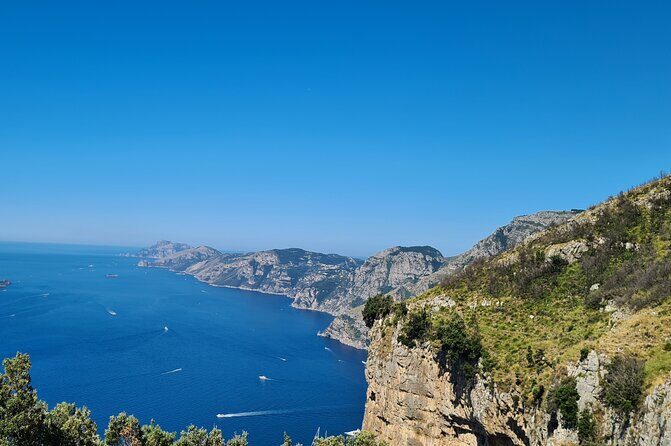
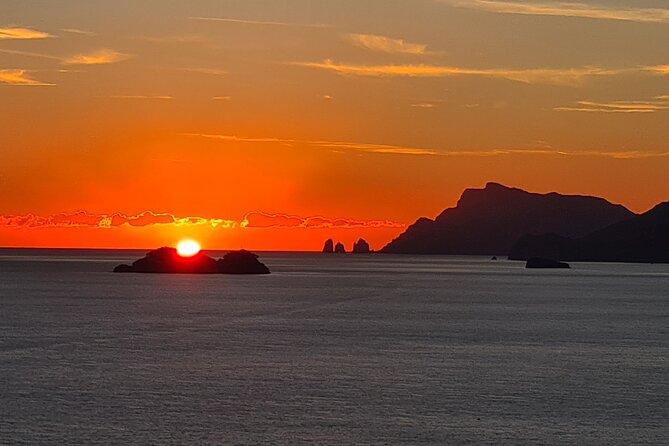
- Sentiero degli Dei (Path of Gods) views toward Capri, Praiano, and the Li Galli islets
- Sunset-to-supper logistics: suitcase transfers + included meals + an included ferry ride
- Tight group size (max 15) so the day feels managed, not rushed
Why walking the Amalfi Coast feels different than a day trip
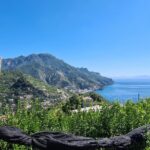
The Amalfi Coast is famous for a reason, but it’s also famous for crowds. This trek flips the script. Instead of repeating the same waterfront viewpoints, you move village to village along older routes—mountain paths and mule tracks that used to connect communities for daily work.
That changes how the coast feels. You get sea views, yes, but you also get the “in-between” moments: shaded paths, terraces, stone stairways, and sudden overlooks where the water looks unreal simply because you’re up high. The result is a coast you understand, not just one you photograph.
If you're still narrowing it down, here are other tours in Salerno we've reviewed.


The hiking plan: 8–12 km a day, uphill and downhill
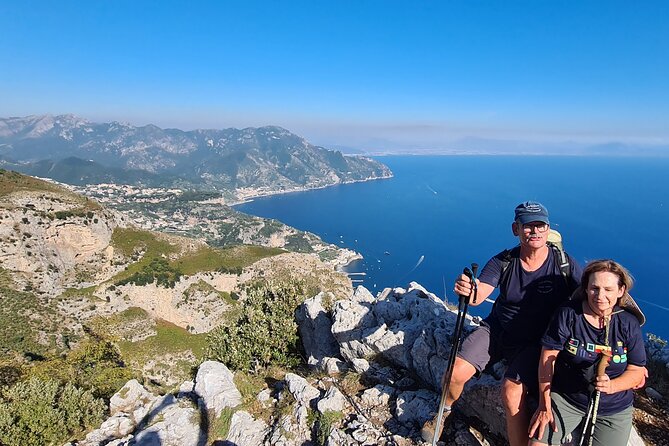
The tour is built around a physical level. Expect 8–12 km most days, with both climbs and descents. It’s not just distance; it’s the rhythm of walking on uneven paths, sometimes with stairs, and stopping for viewpoints and guided segments.
If you’re used to city walking, you’ll want to do a little training before you go. Comfortable trail shoes matter more than you think. Your legs will do most of the work, but your knees and ankles will also notice the downhills—especially on longer walking days.
Good news: you’re not carrying your whole life. The itinerary says your suitcase is transferred from accommodation to accommodation, and you carry only a daybag. That’s one of the best “small” features on a multi-day hike, because it keeps your pace steady instead of heavy.
Starting in Cava de’ Tirreni: an abbey first, then the coast
You meet at Hotel Victoria Maiorino in Cava de’ Tirreni (Corso Mazzini, 4), with a 8:00 am start. The day opens close to the historic center, so you’re not wasting time getting oriented far from where you sleep.
Day 1 includes a guided visit to Badia della Santissima Trinità, a Benedictine abbey dating to the 11th century. You get the church, cloister, catacombs, a small museum, and a look at the Maiolica floor. This is a strong way to start because it places you in the region before the sea spectacle starts.
After that, you hike to Maiori, your destination for the first overnight. You’ll sleep in a local B&B and have time for dinner in town. That dinner freedom is underrated on tours like this. You can eat simply, decompress, and don’t have to coordinate everything around a group schedule.
Day 2 from Maiori to Amalfi: lemons, Ravello villas, Atrani, and old churches
Day 2 is a classic Amalfi route, but it’s paced on foot and broken into stops that feel like mini “chapters.”
Sentiero dei Limoni (Maiori to Minori)
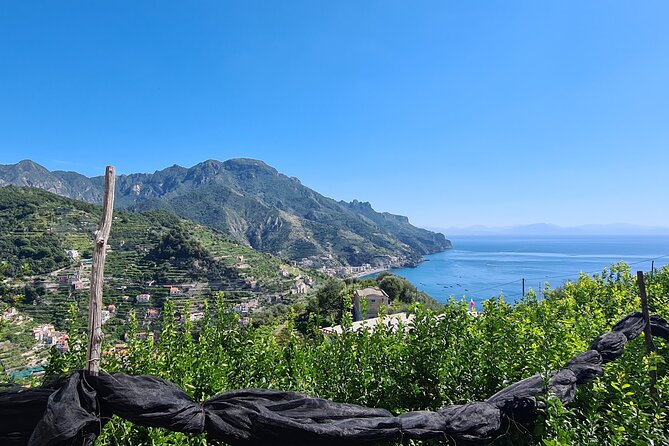
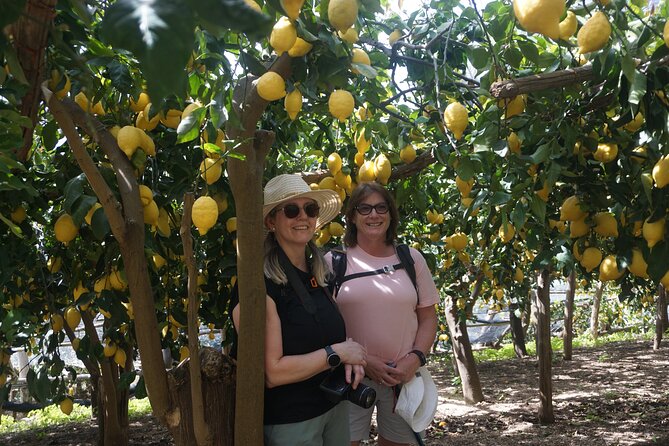
You begin with the Lemons’ Trail from Maiori to Minori. The path runs with mountain and sea views and takes you among lemon groves. What I like here is that the lemon theme isn’t just marketing. You also get a lemon garden visit and tasting of produce made with lemons. It’s a direct link between the scenery and what people actually grow.


Ravello: a walking town with a view-first payoff
From Minori, you continue along a trail locals still use to deliver goods. Within about an hour to an hour and a half, you reach Ravello, where you get free time to explore and a boxed lunch. Ravello is one of those places where you can spend your time walking slowly just to keep admiring the viewpoint windows.
Villa Rufolo is a key stop recommendation. You’ll have the option to visit, with a 7 euro ticket noted. Even if you skip the villa itself, the Ravello feel comes from walking among gardens and looking down over the coast.
Atrani and Amalfi: tiny scale, big atmosphere
After Ravello, the route leads you to Atrani. The data notes that Atrani has the smallest surface area of Italy, which explains why it feels so compact and intimate. Then you arrive in Amalfi, where you get time for gelato, pastry, and/or cappuccino and to check out local sights.
In Amalfi, two sightseeing ideas are flagged as optional with extra tickets:
- Duomo di Sant’Andrea (3 euro): you can visit cloister, museum, crypt, and church.
- Museo della Carta (5 euro): an English-guided tour focused on how medieval paper was made, powered by the river Canneto through town. You may even make a piece of paper yourself using a strainer.
This combo works well for your brain. One moment you’re looking at a cliffside cathedral complex; the next you’re picturing medieval workers turning the river’s energy into paper.
Valle delle Ferriere: waterfalls, microclimate, and the medieval paper world
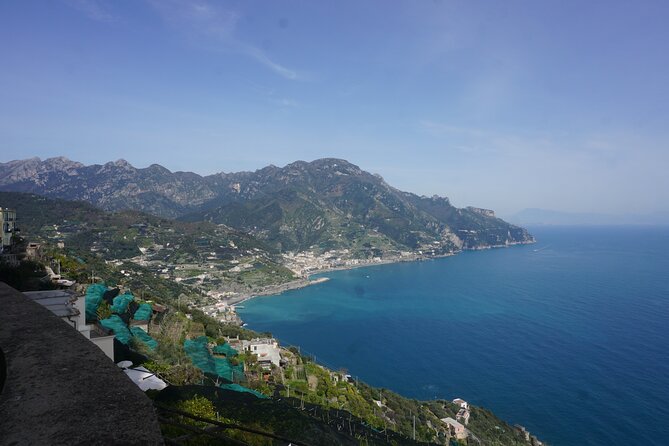
Day 3 shifts gears into a more “wild” feel. You hike into Valle delle Ferriere, described as a deep valley with ancient stairs and paths, lemon trees with springs and waterfalls, and high cliffs.
What makes this stop valuable is the mix of nature and leftover industry. You’ll see examples dating back to as early as the 10th century, including remains of an old aqueduct and ironworks. There are also ruins of paper factories, and the tour frames them as part of the historical wealth and influence of the medieval Republic of Amalfi.
There’s also a strong “microclimate” element here. In this valley, the tour notes subtropical conditions where you might spot plants like cyclamen and wild orchids, plus specialized species tied to the region’s climate. Even if you don’t catch every plant name, the idea is clear: this walk often feels cooler and more sheltered than the exposed coastal edges.
You finish the day in Agerola, staying at Hotel Gentile for the night. That’s a good base shift. Agerola is where the trip starts to feel less like a postcard and more like a real place you’re living in for a night.
Sentiero degli Dei to Positano, then a ferry back to Salerno
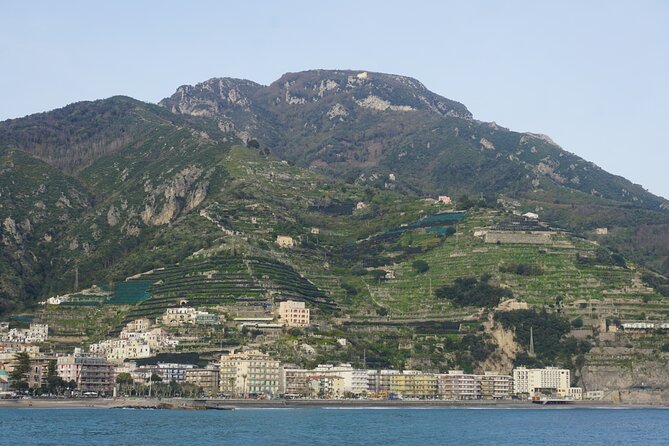
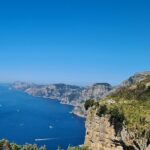
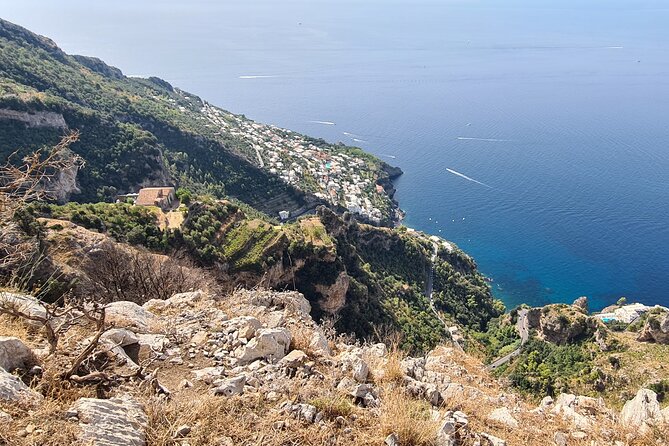
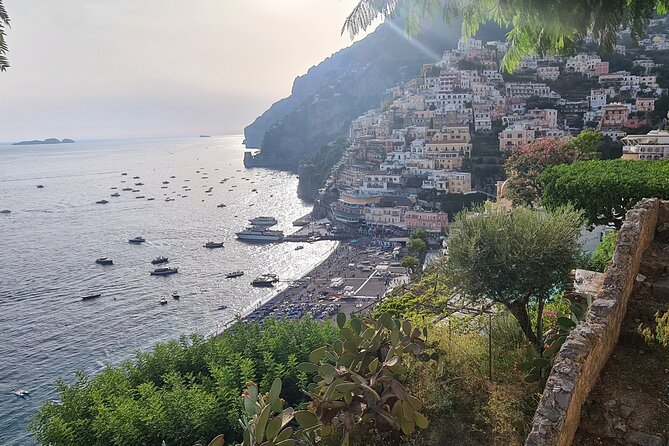
Day 4 is the headline hike: Sentiero Degli Dei, also known as the Path of Gods. It starts from the square in Bomerano in Agerola. The first part gives outstanding views toward Praiano, Positano, Li Galli islets, and Capri. You also pass Grotta Biscotto, an old shepherd’s shelter built into rock and inhabited since prehistoric times.
You’ll move through shade from elm and oak trees, with myrtle and juniper along the way. The walk includes wild precipices, plus small vineyards where ped’ e palomma grapes are harvested. It’s one of those sections where the walking and the storytelling match: you’re seeing the work and the land at the same time.
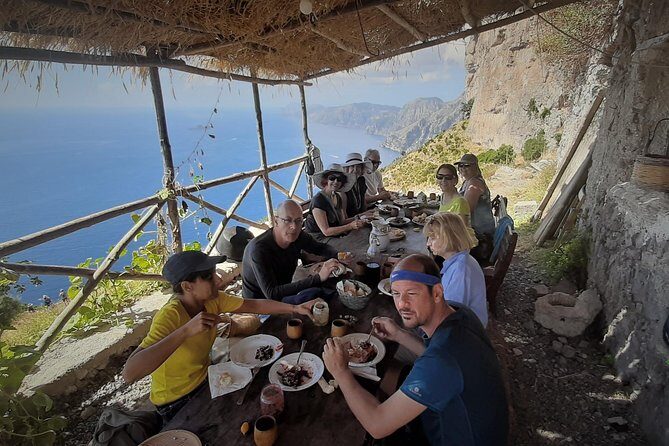
A local shepherd joins for a produce selection and a glass of red wine. Even if you’re not a big wine person, this is a smart human touch. It gives you a break from scenery-only viewing and reminds you this area runs on food culture as much as tourism.
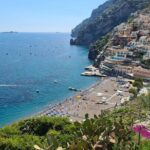
The hike leads toward Nocelle (less than 3 hours to reach it), followed by about 1 hour going down to continue your day. From there, you get free time in Positano for about 2 hours.
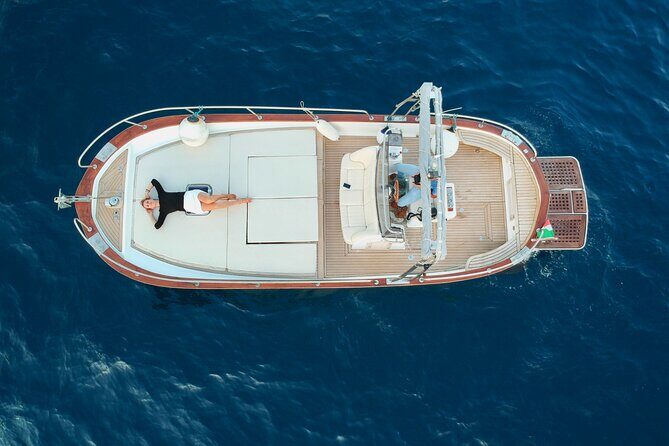
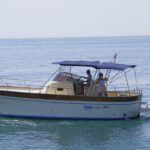
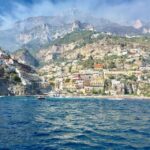
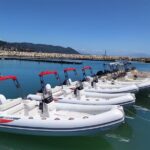
To close the loop, you take an included panoramic ferry ride from Positano to Salerno (about 1 hour 30 minutes). The route passes Positano, Praiano, Amalfi, Atrani, Minori, Maiori, Cetara, Erchie, Vietri sul mare, and finally Salerno. This is a great way to recover. Your legs get rest, but you still keep the coast moving in front of you.
You then transfer back to Cava de’ Tirreni, with overnight accommodation back where you started.
Price and logistics: what $1,446 covers (and what doesn’t)
At $1,446.02 per person, you’re paying for more than a walking day. This price includes 5 nights of accommodation (the listing title mentions 3 nights, but the included stay count is stated as 5), plus breakfasts (3) and lunches (4). It also includes key guided components and the included ferry ride at the end.
You’re also paying for the biggest “mental load” saver: suitcase transfers. When you only carry a daybag, the hike feels more like a guided experience and less like moving camp.
Not everything is “all-in,” though. The data clearly lists extra tickets for:
- Villa Rufolo: 7 euros
- Duomo di Sant’Andrea: 3 euros
- Museo della Carta: 5 euros
Alcohol is also listed as not included. That’s normal in Italy tour packages, but it’s good to know so you don’t get surprised at dinner.
Value-wise, the price makes sense if you want a structured, low-stress way to do multiple towns on foot without coordinating transport, luggage, and meal stops yourself. If you’re traveling on your own and already love building your own routes, the cost might feel steep. But if you want the Amalfi Coast experienced in a real sequence, with guidance and logistics handled, it lands in the “pay for convenience and craftsmanship” category.
Group size and guide quality: why max 15 matters on foot
This trek runs with a maximum of 15 travelers, and the minimum group size is 4 participants. Smaller groups matter on trails, especially when there are bottlenecks, narrow paths, and viewpoints that can get crowded quickly.
The guide is also part of the value. One standout from the provided experience feedback is Gaetano, described as an amazing guide who made the days feel like an adventure with plenty of laughs. That matters more than it sounds, because a multi-day hike can get tedious if the pace is awkward or explanations are thin. A good guide keeps the day moving, adds context at the right time, and helps you enjoy the work of walking.
What to pack for this trek (so you don’t hate Day 4)
The tour data doesn’t list gear requirements, but it does spell out the realities: daily hiking, uphill/downhill, and some sightseeing tickets for specific places. Plan for:
- Trail-ready shoes you trust on descents
- A daybag for water, layers, and small items (since your suitcase moves for you)
- Sun protection for exposed viewpoints
- Rain gear for unpredictable coastal weather
- Cash or card for the extra sights (Villa Rufolo, the Duomo, the Paper Museum)
Also, bring a flexible mindset. Some of your best photos come right after a steep section. If you stop too often, you’ll lose your rhythm. If you never stop, you’ll miss the best views. Aim for steady effort and short, smart pauses.
Who this trek is perfect for—and who should skip it
This is a strong fit if you:
- Want village-to-village walking instead of bus-style sightseeing
- Enjoy a structured route with guided stops and free time built in
- Have at least moderate fitness and can handle 8–12 km days with climbs and descents
- Like learning how places connect to food, like lemons and paper-making
You might want to choose a different style of trip if you:
- Prefer mostly flat walking
- Need a highly flexible schedule for physical reasons
- Want only beach time and minimal stair work
And one more practical point: the tour notes good weather is required. If conditions are rough, your plan may change or dates may adjust.
Should you book this Amalfi Coast trekking experience?
I’d book it if you’re the type of traveler who wants Amalfi to be earned. This route has a good balance: nature hikes (Valle delle Ferriere and Sentiero Degli Dei), culture stops (abbey, Duomo, Paper Museum), and food-focused moments (lemon trail tasting, local produce with a shepherd).
The biggest reason to book is also the biggest reason it works: the logistics are handled. Suitcase transfers, meals built in, and an included ferry ride mean you spend your energy on walking and enjoying the coast instead of chasing transport.
Skip it if you’re hoping for a casual vacation with mostly easy walking. With 8–12 km days and downhill sections, you’ll feel the effort. This is a real hike, in the best possible way.
FAQ
What time does the tour start?
The meeting point is Hotel Victoria Maiorino in Cava de’ Tirreni, and the start time is 8:00 am.
Where does the trek start and end?
It starts at Hotel Victoria Maiorino in Cava de’ Tirreni and ends back at the same meeting point after the return transfer from Salerno.
How far do we walk each day?
You’ll walk about 8 to 12 km each day, with both uphill and downhill sections.
Is luggage carried for you?
Yes. The tour says they will get your suitcase from one accommodation to the next one, and you only carry a daybag.
What meals are included?
The itinerary includes breakfast (3) and lunch (4). Alcoholic drinks are not included.
Are admission tickets included for all stops?
Not all. Some admissions are included, while others are listed as extra, including Villa Rufolo (7 euro), the Duomo di Sant’Andrea (3 euro), and the Museo della Carta (5 euro).
Is the ferry ride included?
Yes. On Day 4, there’s a panoramic ferry ride from Positano to Salerno included, lasting about 1 hour 30 minutes.
How large is the group?
The tour has a maximum of 15 travelers and a minimum number of 4 participants.
What happens if the weather is bad?
The tour requires good weather. If it’s canceled due to poor weather, you’ll be offered a different date or a full refund.