
REVIEW · MINORI
Lemon Trail: Lemon Tour with Tasting on the Amalfi Coast
Book on GetYourGuide →Operated by Agricola Ruocco’s · Bookable on GetYourGuide
Lemons have a job here, not a photo. This walk on the Amalfi Coast Lemon Trail brings you right into the groves, with Amalfi Sfusato lemons and real farm work baked into the experience. I liked that it feels local and unhurried, not like a showroom for souvenirs.
Two things I really enjoyed: the guided tour through the main stages of lemon growing and processing, and the fact that the family involvement is serious—five generations behind this farm. Nadia and Giovanni made the tastings feel like part of a story, not a script.
One consideration: this is a hike with real steps. If you’re not comfortable with stairs or steep paths, plan carefully and bring hiking shoes—and note it’s not suitable for people with mobility impairments or those over 95.
In This Review
- Key Things to Know Before You Go
- Entering The Lemon Trail at Agricola Ruocco’s
- Finding the Lemon Point Kiosk in Minori (and Parking Smarts)
- The 75-Minute Guided Walk Through Working Groves
- First Tasting: Lemonade and Lemon Salad at the Start
- The Farm Tour Stops: Learning How Lemons Become Products
- Final Tasting: Lemon Jam and Limoncello You Can Actually Taste
- Views and Rural Life: Why This Walk Feels Worth the Steps
- Price and Value: Is $41 Worth It?
- Who This Lemon Tour Is Best For (and Who Might Skip It)
- Timing That Makes the Tour Feel Better
- Should You Book This Lemon Trail Tour?
- FAQ
- What’s included in the Lemon Tour tasting?
- How long is the tour?
- Where do I meet the guide?
- What language is the tour guide?
- What should I bring?
- Is the tour suitable for people with mobility impairments?
- Can I cancel for a full refund?
Key Things to Know Before You Go
- You’ll walk among working lemon groves on the Amalfi Coast Lemon Trail, not just view them from a gate.
- Tastings are built in: fresh lemonade and lemon salad first, then lemon marmalade and limoncello at the end.
- The farm is family-run with a multi-generation lemon tradition (five generations).
- Expect stairs and uneven outdoor ground, even though the tour is short.
- Minori is a smarter start point if you’re trying to avoid driving up based on navigation.
Entering The Lemon Trail at Agricola Ruocco’s
If you picture the Amalfi Coast as cliffs and postcard towns, this tour reminds you there’s also quiet work happening under green branches. The experience is called Lemon Trail: Lemon Tour with Tasting on the Amalfi Coast, and it’s run by Agricola Ruocco’s. The setting is the Sentiero dei Limoni area, where lemons aren’t just an ingredient—they’re the reason people built terraces and kept farming through the years.
The tour centers on a simple idea: walk into the groves, learn how lemons are grown and processed, then taste the results. That format is exactly why it works. Instead of only hearing about lemons, you see the trees, the practical steps, and the kind of care that turns fruit into lemonade, jam, and limoncello.
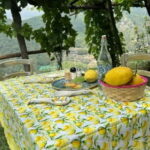
You start at a place they call the Lemon Point—inside a kiosk in the middle of the Lemon Trail—with clear ceramic signage and little decorations like baskets of lemons. Even if you’re arriving from town, it’s easy to spot once you’re looking for those lemon details.
Other limoncello and lemon farm tours we've reviewed
Finding the Lemon Point Kiosk in Minori (and Parking Smarts)
Getting there is half the battle on this part of the coast. The meeting point is inside the Lemon Point kiosk, marked by a ceramic sign and lemon-themed decorations. From there, you’ll be guided into the farm walk.
If you’re using a phone map, take a minute to think like a local. A common problem here is navigation routing you toward a higher road that can be awkward. I’d strongly consider parking in Minori and approaching the trail from the town side rather than trying to drive up where directions might send you.
Once you’re in the Minori area, you’ll face stairs. One traveler said the path included about 600 steps from the drop-off point to the farm area. That sounds like a workout, and it can be—so start slow. If you don’t want to commit to all the steps, there’s an option to take a small shuttle/bus up from near the big church area (they mentioned about 1 euro) and then walk the last stretch, roughly around 200 meters. You still get the sense of the trail without turning it into a leg day you didn’t plan.
This matters because the tour lasts about an hour total, with walking built in. If you show up already exhausted, you’ll miss the calm pace that makes the lemon groves enjoyable.
The 75-Minute Guided Walk Through Working Groves
The main event is the grove walk. You’ll step inside lemon trees along the Lemon Trail and spend the guided time moving through the farm area. This is where you start to understand why Amalfi lemons are famous: the terrain and the daily work shape everything about the fruit.
As you walk, the guide explains the main stages of daily work and the secrets behind growing lemons in this environment. You also hear the family story: this farm has been involved in lemon growing for five generations. That’s the difference between a basic tasting and a real agriculture lesson. You’re not just tasting products; you’re learning the workflow and the long-term commitment.
The tour also includes the atmosphere of the place. You’ll be under trees with a rural rhythm—something that feels unchanged compared to the speed of the seaside towns. It’s not a staged set. It’s an active farming area, and that shows in the way the guide points out what matters and when it matters.
You’ll likely notice how the group moves. The experience is built for a manageable pace. It’s not described as a race through the groves, and the vibe tends to stay relaxed—especially since the walk is paired with food and drink breaks.
First Tasting: Lemonade and Lemon Salad at the Start
Before you go too far down the trail, you’ll begin with a tasting at Lemon Point. They start you off with fresh lemonade and lemon salad right away. It’s a smart sequence. You get the flavor baseline first, so when the guide later talks about the lemons and processing, you’re tasting with context.
This opening also sets expectations. Lemonade and salad aren’t just snacks; they give you a quick feel for acidity, aroma, and freshness. If you’re the type who wonders what makes one lemon taste different from another, this part helps you calibrate your palate early.
And it keeps the tour moving smoothly. You’re not starting hungry, which matters when you’re walking on stairs. It also means you can enjoy the first part even if you’re a little winded from the approach—because you’ll be rewarded immediately.
The Farm Tour Stops: Learning How Lemons Become Products
Midway through the walk, the guide moves you through the entire farm experience. You’ll see the main stages of the lemon-growing process and hear how the family does the work year after year. The tour description is focused on “main stages” and “secrets,” which basically means you should expect practical explanations tied to what you can see and smell around you.
The standout here is that it’s not just theoretical. As you’re walking the grove paths, the processing discussion feels anchored. You might not leave with a chemistry degree, but you will come away with a clearer idea of what goes into turning lemons into products like marmalade and limoncello.
A detail that really helps: the tour is designed to link history, traditions, and day-to-day practices. The five-generation involvement gives weight to the explanation. It’s easier to believe what you’re hearing when you understand this isn’t a one-season operation.
If you love food, this is where your brain clicks. You start thinking, Oh—this is why this tastes the way it tastes. And if you’re just curious, it stays accessible. The point is to connect agriculture and flavor in under an hour.



Final Tasting: Lemon Jam and Limoncello You Can Actually Taste
The tour closes with another tasting—this time lemon jam and limoncello. This ending is built for contrast. You begin with fresh, bright flavors (lemonade and lemon salad), then finish with concentrated, sweeter products (jam) and the classic Amalfi digestif (limoncello).
Lemon jam is a nice bridge product. It shows how lemons transform from fresh fruit into something shelf-stable and spoonable. Then limoncello adds the punch of what Amalfi is known for. It’s not just a drink; it’s a way of preserving flavor and sharing it.
This final sampling also helps you decide what you might want to take home. If you love the fresh acidity, you’re likely to enjoy jam too, but you’ll probably go heavier on the lighter, more direct lemon flavors. If you find yourself preferring sweeter notes, the jam and limoncello may be your main takeaway.
I like that the tasting is included in the tour. Many “food experiences” start cheap and then charge you for every taste. Here, you get a real sequence from start to finish.
Views and Rural Life: Why This Walk Feels Worth the Steps
Yes, you get views. But the better point is what you feel while you get them: a rural pace on the Amalfi Coast.
Amalfi towns can be loud and packed, even when you’re just walking to dinner. This experience shifts your attention to work and place. You’ll spend your time under lemon trees and in farm areas where daily labor is the story. Even the walking route itself becomes part of the experience because terraces and steps are how this coastline farms at all.
That’s why the views matter. You’re not looking at scenery from behind a barrier. You’re moving through the zone that creates the scenery—terraced groves that have to be tended constantly.
If you’re short on time, this tour is also a practical way to see rural life without giving up your whole day. It’s about an hour, and you’re guided the entire way.
Price and Value: Is $41 Worth It?
At $41 per person, you’re paying for a guided hour in the groves plus multiple tastings. That’s the value equation: you get education, access, and food in one package.
Here’s what you actually receive: a tour among lemon groves, a walk that covers the farm, plus tastings of lemonade, lemon salad, lemon marmalade (jam), and limoncello. For the Amalfi Coast, where you’ll often pay for views without learning anything, getting guided time tied to real food is a fair deal.
The price also makes sense because this isn’t a quick “sample and leave” stop. You’re walking for the better part of the experience, and the tastings are spread across the start and end. That gives the tour structure, which usually helps you feel like your money translated into an actual plan, not a random tasting lineup.
If you’re the type who would otherwise pay separately for a guided walk plus a few tastings, you’ll likely find the bundled option easier to justify.
Who This Lemon Tour Is Best For (and Who Might Skip It)
This tour fits best if you enjoy hands-on food culture and short guided walks.
It’s especially good for:
- Food lovers who want to understand why products taste the way they do
- People who want something calmer than a full day in crowded towns
- Travelers who like small, family-run experiences and learning the process
It’s less ideal if:
- You’re not comfortable with stairs and uneven outdoor ground
- You need mobility support (the tour isn’t suitable for people with mobility impairments)
- You’re traveling with someone over 95 (not suitable)
Also keep in mind that some approaches to the farm involve heavy stairs. Even if you’re able-bodied, don’t treat this like a flat stroll.
If you want to enjoy the lemon trail experience but can’t do all the stairs, consider the shuttle up options mentioned for the Minori approach. You’ll still end with a short walk to the farm area.
Timing That Makes the Tour Feel Better
The tour runs for about 1 hour. That short length helps you when you’re juggling Amalfi Coast schedules—this is not a half-day commitment.
One practical point: times can change depending on how full the schedule is. There have been instances where a group was offered a slightly earlier start time to help avoid overcrowding. Translation: if you can be flexible, you may get a more relaxed pacing and a better chance to ask questions during the walk and tastings.
I’d still treat it as a walk that needs a little stamina. Plan to arrive early enough to get your bearings at the Lemon Point kiosk so you’re not rushing at the first tasting.
Should You Book This Lemon Trail Tour?
If you want an Amalfi Coast lemon experience that’s more than just buying a bottle of limoncello, book it. This is one of those tours where the tastings feel connected to a place and a process: lemonade and lemon salad at the start, then lemon jam and limoncello at the end, all supported by a guided walk through working groves.
I’d book it if:
- You’re in the Minori/Sentiero dei Limoni area and want a short, structured activity
- You care about food culture and want the “how” behind the “taste”
- You can handle stairs and are wearing real hiking shoes
I’d skip it if:
- Your mobility is limited or steps are a deal-breaker
- You want a strictly seated, no-walking experience
FAQ
What’s included in the Lemon Tour tasting?
The tour includes tastings of fresh lemonade, lemon salad, lemon marmalade (lemon jam), and limoncello, plus the guided visit among the lemon groves.
How long is the tour?
The tour lasts 1 hour, and it’s guided for about 75 minutes as described in the experience flow.
Where do I meet the guide?
Meet at the Lemon Point inside Agricola Ruocco’s area (a kiosk with a clearly visible ceramic sign and lemon-themed decorations like baskets of lemons).
What language is the tour guide?
The tour is offered with a live guide in English and Italian.
What should I bring?
You should wear hiking shoes, since the experience involves walking on outdoor paths and stairs.
Is the tour suitable for people with mobility impairments?
No. The tour is not suitable for people with mobility impairments, and it’s also not suitable for people over 95.
Can I cancel for a full refund?
Yes. You can cancel up to 24 hours in advance for a full refund. You can also reserve now and pay later, depending on availability.